Classic Cantonese Ginger Scallion Lobster: Mastering Wok Hei at Home
- Mastering the Breath of the Wok: An Introduction to Classic Cantonese Ginger Scallion Lobster
- The Science of Supreme Flavor: Why Ginger and Scallion is the Perfect Pairing
- Essential Components for Authentic Cantonese Lobster: Ingredients and Smart Substitutions
- Executing the Recipe: Step-by-Step Guide to Classic Cantonese Ginger Scallion Lobster
- Beyond the Basics: Chef’s Tips and Troubleshooting Cantonese Stir-Fry
- Handling Leftovers: Storing and Reheating Ginger Scallion Lobster
- Serving and Pairing Your Classic Cantonese Ginger Scallion Lobster
- Recipe FAQs
- 📝 Recipe Card
Mastering the Breath of the Wok: An Introduction to Classic Cantonese Ginger Scallion Lobster
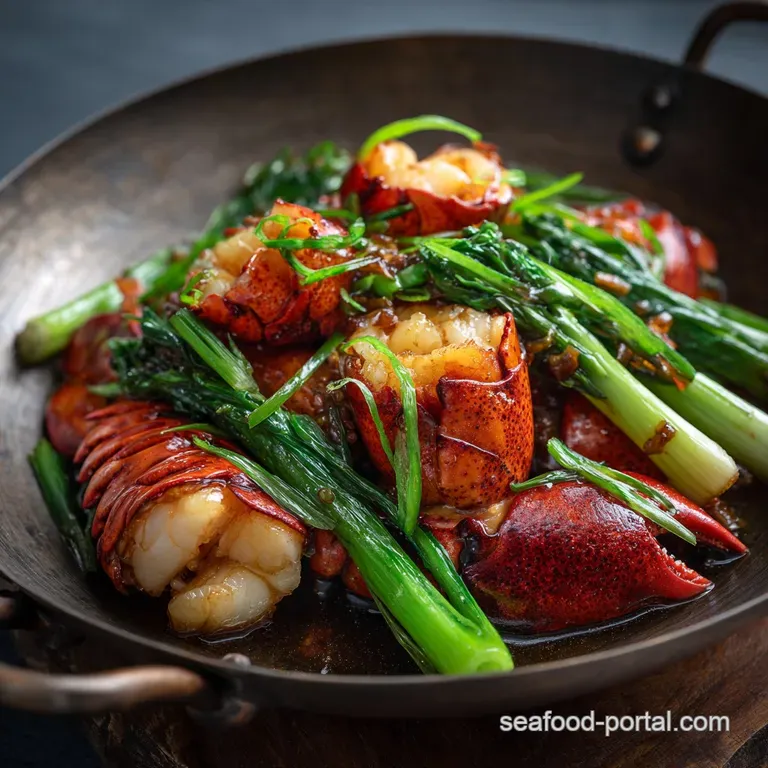
That incredible, pungent, sweet yet-salty aroma of frying ginger and scallion is pure magic, honestly. It hits you instantly, pulling you straight into a high end Cantonese banquet hall, and the glossy sauce clinging perfectly to the sweet lobster meat is totally addictive.
If you’ve ever had this dish done right, you know exactly what I mean about the sheer power of fresh aromatics.
People assume this level of deliciousness is super complicated, right? Wrong. This recipe is actually one of the fastest ways to cook lobster once your prep work is sorted, making it perfect for a flashy weeknight meal or when you need maximum impact for minimum fuss.
It screams celebration without needing complex, multi stage French techniques. We love that kind of cooking!
Forget those sad, watery takeout versions we sometimes encounter. We are going for the gold standard here, teaching you exactly how to achieve that professional smoky flavor, the famous Wok Hei , which is the soul of this dish.
Let’s crack on and master the art of Classic Cantonese Ginger Scallion Lobster .
The Legacy of Ginger Scallion Lobster in Banquet Cuisine
This dish is a total Cantonese staple, proudly showing up at every major wedding or birthday celebration. It’s all about celebrating the freshness of the seafood, which is always center stage in Southern Chinese cooking traditions.
The simple, sharp aromatics are specifically meant to enhance the lobster's natural sweetness, not mask it with heavy, dull sauces.
What is Wok Hei and Why It Matters for This Dish?
Wok Hei literally translates to the "breath of the wok," and trust me, it’s not some mythical concept only accessible to masters. It’s that ephemeral, slightly caramelized, smoky flavour infused when ingredients meet a dangerously hot, seasoned wok.
For this Authentic Cantonese Lobster , achieving proper Wok Hei means everything; it's the difference between merely cooked shellfish and a truly memorable, high impact dish. We get there by using over high heat oil and moving everything super fast.
Decoding the Dish: Cong Jiang Chao Longxia (葱姜炒龙虾)
The name itself, Cong Jiang Chao Longxia , tells the whole story: Scallion, Ginger, Fried, Lobster. It’s a straightforward instruction, showing how foundational these two powerful aromatics are to the entire structure of the dish.
This balanced, aggressive approach ensures that the sweet lobster meat shines through the spicy, garlicky glaze, which is precisely why the Classic Cantonese Ginger Scallion Lobster remains timeless.
The Science of Supreme Flavor: Why Ginger and Scallion is the Perfect Pairing
The ginger and scallions aren't just flavouring agents; they’re chemically brilliant at neutralizing any potential fishiness, guaranteeing a clean, sweet taste. The quick flash fry is also essential because it dramatically tightens the exterior of the meat and protects it from drying out later when the liquid is added.
Plus, that light cornstarch coating, applied before frying, ensures the savory, glossy sauce adheres perfectly to every single chunk of shell, meaning maximum flavor absorption.
Essential Components for Authentic Cantonese Lobster: Ingredients and Smart Substitutions
Selecting Your Live Lobster: Species, Weight, and Freshness Checks
Always, always look for a lively lobster if you are buying it whole; its freshness is 90% of the flavour profile here. I usually stick to 1.5 1.75 lb lobsters because they offer the best meat-to-shell ratio for stir frying.
If you absolutely cannot source fresh, large frozen, thawed lobster tails can work in a serious pinch, but you will lose the flavor depth that comes from cooking the head and knuckle meat in the sauce.
The Holy Trinity: Preparing Ginger, Scallions, and Garlic for Maximum Potency
Seriously, you need a lot of ginger for this more than you think. The ginger must be firm and fresh, julienned into thin matchsticks to maximize its potent surface area when it hits the hot oil.
Don't skimp on the garlic either; it plays the important supporting role, adding complexity but definitely letting the ginger and scallions lead the show.
Defining the Sauce Base: Oyster Sauce, Soy, and Shaoxing Wine Essentials
Shaoxing rice wine is pretty crucial for authentic Chinese cuisine, lending an earthy depth that's hard to replicate. You need that rich, fermented complexity. Dry sherry is your best and most common substitution if you can't find the real deal, or perhaps a decent quality Japanese sake.
The Starch Slurry Secret: Achieving Luxurious Coating and Texture
The cornstarch slurry isn't merely about thickening the liquid; it's about creating that beautiful, transparent, and glossy sheen. It instantaneously holds the sauce together, ensuring it clings to every piece of shell and lobster meat, which is the defining texture of this amazing dish.
Get your slurry mixed and ready before you even start heating the oil.
Executing the Recipe: step-by-step Guide to Classic Cantonese Ginger Scallion Lobster
Preparing the Shellfish: Safe Dispatch and Strategic Chopping of the Lobster
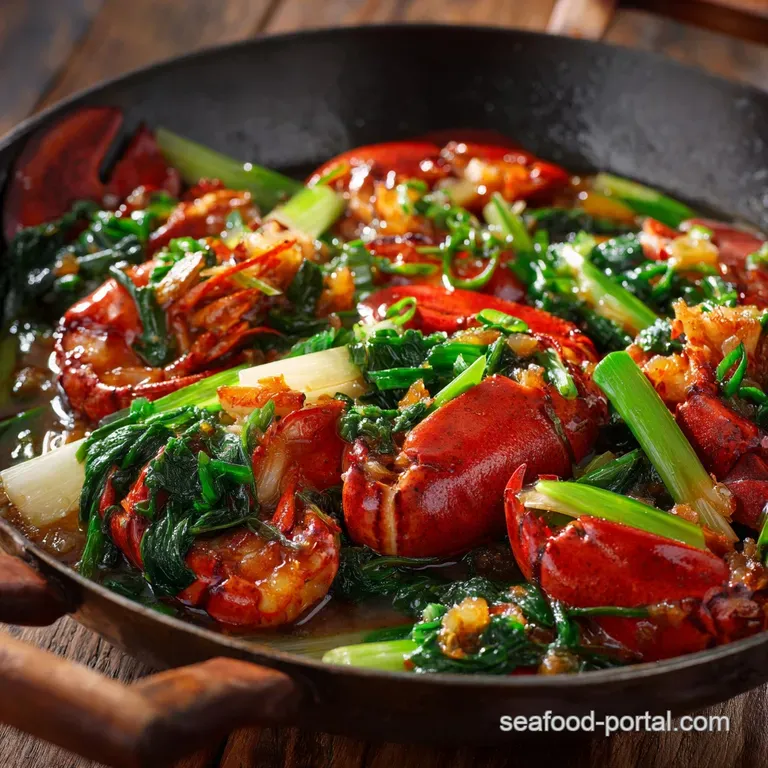
This is the hardest bit, mentally. Handle the lobster humanely. Use a heavy cleaver or large, sturdy knife to chop the shell-on lobster into large, manageable 2 inch chunks. Chopping it increases the surface area dramatically, allowing for better sauce penetration.
Give the pieces a quick wash, then toss them lightly with the starting amount of Shaoxing wine and a light dusting of cornstarch.
The Critical Flash Fry: Dredging and Achieving the Crisp Exterior Coating
Heat your high smoke point oil in the wok until it is shimmering aggressively, about 375°F. This step is fast , lasting only 60 to 90 seconds. We are par-cooking the outside and setting the vibrant red color, not fully cooking the meat through yet.
If the oil is not hot enough, the cornstarch coating will turn into a soggy mess instead of setting firm. Use a spider to quickly remove the pieces and immediately drain them.
Chef's Note: If you want that beautiful golden crispness on the shell pieces, like you get when making Deep Fried Catfish: The Classic Golden Southern Comfort Food , you must ensure the oil temperature stays consistently high. Flash frying here is non-negotiable for texture.
Stir Frying Mastery: Integrating Aromatics and Sauce for Maximum Wok Hei
Drain all but about 2 tablespoons of oil from the wok and reheat until it’s screaming hot seriously smoking again! Add the ginger julienne and the white scallion pieces first.
Stir fry these aggressively for 30 45 seconds until you smell their powerful, pungent fragrance; this is exactly where you grab your Wok Hei . Return the par-cooked lobster and toss it rapidly for a moment to coat everything in the sizzling aromatics.
Pour in your pre-mixed sauce, bring it to a rolling boil, then cover the wok immediately for 2– 3 minutes to steam the lobster completely.
Final Plating: Garnish and Immediate Serving Requirements
Once the lobster meat is opaque white and firm, stir the cornstarch slurry to recombine it, and then pour it slowly into the boiling sauce while vigorously tossing. The sauce should thicken instantaneously to a beautiful, glossy glaze. Kill the heat right away.
Stir in the remaining dark green scallion pieces and the small splash of sesame oil to retain their fresh bite and sharp green color contrast. Transfer the Ginger Scallion Lobster Recipe immediately to a serving platter and enjoy it piping hot.
Beyond the Basics: Chef’s Tips and Troubleshooting Cantonese Stir Fry
Oil Temperature is Everything: Avoiding Soggy Lobster and Ensuring High Heat
This is probably the single biggest failure point for home cooks. Both the first flash fry and the final stir fry must be over high heat operations. Low heat doesn’t sear; it steams, leading to soggy lobster pieces rather than crunchy, flavourful ones.
The Fix: Use a thermometer if you can, but at minimum, wait for your high smoke point oil to visibly shimmer and thin out dramatically before adding anything.
The Danger of Overcrowding the Wok (Batch Cooking Strategy)
If you dump all the chopped lobster into the oil at once, the oil temperature will plummet instantly, no matter how powerful your burner is. This dramatic drop is what leads directly to tough, rubbery meat because it slows the cooking process.
The Fix: Work in small batches (two batches should be fine for a 1.75 lb lobster) to ensure you maintain that crucial, intense heat level for searing.
Preventing the Sauce from Breaking (The Starch Ratio)
If your cornstarch slurry is added too slowly, or if the liquid you add it to isn't boiling, the starch molecules can break down and fail to bond. This results in a thin, cloudy, watery sauce that doesn't cling.
The Fix: Always stir your slurry vigorously just before using it because the starch settles quickly. Always pour the slurry into a rapidly, actively boiling liquid for guaranteed, smooth thickening.
Handling Leftovers: Storing and Reheating Ginger Scallion Lobster
Reheating Instructions for Retaining Texture and Flavor
Lobster is notoriously tricky to reheat without ending up dry and rubbery. If you must store leftovers, keep them in an airtight container in the fridge for up to 2 days maximum. Freezing? Please don't. The texture of the meat and the sauce suffers massively and you’ll regret it.
To reheat, the best method is a super quick re-sauté in a screaming hot, lightly oiled wok for about 60 seconds, or a very gentle, covered steam.
Serving and Pairing Your Classic Cantonese Ginger Scallion Lobster
The Perfect Rice Pairing: Steamed Jasmine Rice
Steamed Jasmine rice is utterly essential here. Its fluffy, slightly sticky texture soaks up that glorious ginger garlic sauce better than any other grain. Scoop the sauce over the rice you deserve it.
Balancing the Meal: Simple Green Vegetable Side Dishes
You definitely need something green and crisp to cut through the richness of the lobster. A side of blanched or lightly stir fried Chinese broccoli (Gai Lan) with a dash of oyster sauce provides wonderful textural contrast. If you're feeling extra bougie, you could save some of the shell scraps and whip up a small batch of Lobster Butter Sauce: Restaurant Quality French Beurre de Homard on the side for dipping the plain rice. Alternatively, if you end up with some leftover meat, you might consider using it the next day for a comforting bowl of Lobster Chowder Soup: Creamy, Restaurant Quality Comfort Food .
Recipe FAQs
How crucial is it to use live or freshly killed lobster for this recipe?
Freshness is paramount in authentic Cantonese seafood preparation; it dictates the sweet, clean flavor and springy texture of the dish. While you can use frozen tails, ensuring they are properly thawed (ideally in the refrigerator) and used quickly is necessary to prevent a tough, rubbery texture that masks the delicate ginger and scallion flavor.
Why did my lobster turn out tough and chewy?
Toughness is almost always a sign of overcooking, which occurs rapidly when cooking high heat seafood. Ensure your technique involves cooking at very high heat but for short, precise durations, and remove the lobster from the wok immediately after the shells turn bright red and the meat is opaque.
What is 'Wok Hei' and how can I achieve it on a home stove?
'Wok Hei' (the breath of the wok) is the complex, smoky, charred flavor that defines proper Cantonese stir frying, achieved by cooking ingredients quickly over extremely high heat.
To replicate this at home, preheat your wok until it is smoking before adding oil, and always cook the lobster in small batches to prevent the temperature from dropping too drastically.
I don't have Shaoxing wine. What is the best substitute?
Shaoxing rice wine provides an essential aromatic depth and savory complexity (umami) to the sauce that cannot be fully replicated. The best non-alcoholic substitution is a small amount of dry sherry or, if absolutely necessary, a blend of dry white wine mixed with a tiny pinch of brown sugar to balance the acidity.
Can I use crab or large prawns instead of lobster for this preparation?
Yes, this classic preparation works beautifully with other crustaceans like Dungeness or King crab, or even large jumbo prawns. You must adjust the cooking time significantly based on the protein size; crab often requires a slightly longer steaming or par-frying stage before the final stir fry with the aromatics.
Can I add chili to this dish without overpowering the ginger and scallions?
For a variation, you can introduce a subtle layer of heat by adding a few sliced fresh bird's eye chilies or a teaspoon of high-quality chili bean paste (Toban Djan) alongside the ginger.
Ensure the chili is fried briefly at the start to release its fragrance, but use moderation to avoid masking the crucial sharp aroma of the ginger and scallion.
How should I store and reheat leftover Cantonese Ginger Scallion Lobster?
Leftovers should be stored in an airtight container in the refrigerator and consumed within 24 hours, as the quality of cooked seafood degrades quickly. Reheating requires care to prevent drying; gently steam the lobster for a few minutes or reheat briefly in a pan over medium heat with a tiny splash of chicken stock.
Classic Cantonese Ginger Scallion Lobster
Ingredients:
Instructions:
Nutrition Facts:
| Calories | 645 kcal |
|---|---|
| Protein | 54.1 g |
| Fat | 31.3 g |
| Carbs | 23.2 g |
