The Wild Card Lean Luxurious Classic Bison Tartare
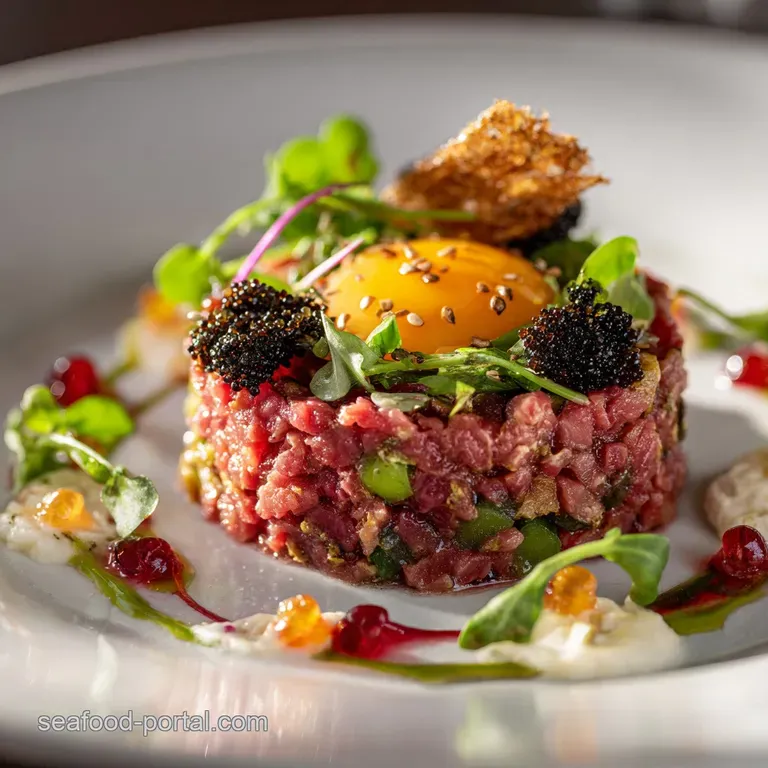
The Gourmet Appeal of Bison Tartare
Bison tartare is a modern, elevated take on classic French dishes, offering a sophisticated appetizer or light main course. This dish showcases the superior flavor profile of wild game while maintaining the elegant structure of traditional steak tartare.
Serving a Bison tartare recipe demonstrates a genuine command of technique and an appreciation for quality ingredients.
This lean meat recipe transforms the dining experience into a showcase of texture and vibrant, balanced seasoning. The richness provided by the classic accoutrements perfectly balances the earthiness of the bison.
It stands out significantly when compared to its beef counterpart due to its deeply satisfying depth of flavor.
Why Choose Bison Over Traditional Beef?
Bison presents an outstanding choice for this raw preparation because it is significantly leaner than most conventional beef cuts. This characteristic allows the nuanced flavors of the capers, mustard, and shallots to shine through clearly.
Opting for bison also contributes to a heart healthier plate, aligning perfectly with modern lean meat recipes.
The meat itself possesses a subtle, inherent sweetness often missing in beef, providing a natural background complexity. This slightly wild flavor enhances the overall sophisticated profile of the final dish.
When preparing a gourmet raw dish, the distinct qualities of bison truly elevate the standard tartare recipe .
| Nutrient Focus | Traditional Beef | Bison (Tenderloin) |
|---|---|---|
| Fat Content | Higher Marbling | Extremely Lean |
| Flavor Profile | Rich, Buttery | Earthy, Slightly Sweet |
| Iron Content | High | Superior Source |
Guaranteeing Safety When Preparing Raw Meat
The paramount concern when making raw preparations is ensuring the meat has never been exposed to oxygen or potential surface contaminants. You must communicate directly with your butcher to confirm the chosen cut is suitable for raw consumption, often referred to as "tartare grade." If you are asking is tartare safe to eat , the answer relies entirely on your sourcing and handling protocols.
Always ensure the meat is kept at refrigerator temperature or colder throughout the entire preparation process. Cross contamination is a serious risk, so dedicate a sanitized cutting board and knife strictly for the bison.
Meticulous hygiene and rapid chilling are absolutely non-negotiable standards for making this Bison tartare .
Essential Components for the Perfect Tartare Blend
Creating a remarkable tartare relies upon a careful triangulation of ingredients: the quality meat base, the savory aromatics, and the binding emulsifier. Each component plays a vital role in balancing texture and robust flavor.
The preparation is less about cooking and more about precision blending, common in the finest French Dishes .
The texture is achieved through meticulous hand chopping, ensuring the meat stands up to the sharp, pickled elements like cornichons and capers. Meanwhile, the binder, typically centered on Dijon and egg yolk, coats the individual pieces to create a cohesive yet distinct mixture.
Achieving this balance is the key to mastering the Steak Tartare art form.
Required Tools for Precision Preparation
Success in preparing a gourmet raw dish like this starts with having the correct professional tools readily available. While the list is short, the quality of these items directly impacts the final result.
Precision chopping, chilling, and portioning are crucial steps in this specific Bison tartare recipe .
We rely heavily on cold metal and extremely sharp blades to maintain both integrity and hygiene. Chilling the metal mixing bowl ensures the temperature is strictly controlled during the assembly phase. A simple ring mould is highly recommended for creating an elegant, professional presentation.
Chef's Note: Dedicate a specific, razor sharp chef’s knife solely for mincing the bison. A dull knife will bruise the meat fibers rather than cleanly cutting them, resulting in a mushy texture.
Sourcing the Highest Quality Bison for Consumption
The quality of the raw meat is the single most important factor determining the safety and flavor of your finished Bison tartare . You must select a lean, tender cut, such as the tenderloin or the highly trimmed sirloin.
These cuts have minimal fat and silver skin, which must be completely removed before preparation.
Establish a relationship with a reputable butcher and specifically request meat that has been flash frozen or handled with the highest standards for consumption in a raw state. Never use packaged grocery store steaks that have not been vetted for this precise use.
The effort involved in securing butcher grade meat is well worth the flawless result.
Must Have Accoutrements and Flavor Anchors
The classic accompaniments provide the necessary sharp contrast to the rich, earthy notes of the raw bison. Finely minced shallots deliver a mild onion depth without the harshness of a raw onion.
Capers and cornichons provide that essential salty, vinegary punch required in any great Tartare Recipe .
A simple emulsified sauce acts as the flavor anchor, integrating the aromatics into the meat base. This binder typically features Dijon mustard and Worcestershire sauce, which contribute necessary umami and piquancy. These ingredients transform the simple raw meat into a complex and satisfying gourmet experience.
Achieving the Ideal Texture: Chopping vs. Grinding
The defining characteristic of superior tartare is its distinct, uniform, diced texture. To achieve this, the bison must be meticulously hand chopped into cubes measuring approximately one-eighth of an inch. This careful process ensures that every piece holds its shape and provides a pleasant mouthfeel.
Avoid using a food processor or grinder, as mechanical processing quickly warms the meat and destroys its fibrous integrity. Grinding results in a paste like consistency, which muddies the flavor and quickly separates when mixed with the binder.
The clean, defined cut maintains the structure critical for a high-quality Steak Tartare .
The Importance of Keeping Everything Chilled
Maintaining a low temperature is not only critical for food safety but also for ensuring the meat is easy to cut and handle. Cold meat is firmer, allowing you to achieve those desirable small, sharp cubes without tearing the protein.
We must treat the chilling process as an indispensable step in the Bison tartare recipe .
Before beginning preparation, place your mixing bowl in the freezer to thoroughly chill the stainless steel. When the meat is cut and before the final blending, it should be immediately returned to the refrigerator for a brief rest.
This practice guarantees the final dish is served at the safest and most delicious temperature.
Related Recipes Worth Trying
- The Best Spicy Tuna Recipe Chefs Guide to Rolls Bowls and Tartare — This foolproof Spicy Tuna recipe delivers restaurantquality flavor in 15 minutes Learn the secret to that rich creamy binder perfect for a quick Spicy Tuna...
- Fish Meals Crispy Beer Battered Cod Tartare Chips — Craving easy Fish Meals Elevate fish chips with my crispy beer battered cod and tartare chips Gourmet pub food at home Get the recipe
- HandTwisted Pasta with Salmon Tartare Easy Recipe — Fancy a quick posh dinner This Handtwisted pasta recipe with creamy salmon carrot tartare is surprisingly easy impressive Ready in 45 mins
Mastering the Classic Bison Tartare Preparation
The assembly process is a swift, delicate exercise in combining textures and integrating potent flavors. Once all ingredients are prepped, the goal is to mix thoroughly but gently to prevent warming the bison.
Proper preparation of this Appetizer Recipe should take less than 20 minutes of active work.
The technique involves first preparing the meat, then creating the binder, and finally, folding the components together with utmost care. We strive for a beautifully coated mixture where the individual components are visible but seamlessly integrated.
The final chilling stage allows the flavors to truly marry before serving.
How to Finely Dice and Chill the Meat Base
Start by thoroughly patting the trimmed bison dry with paper towels to eliminate any surface moisture. Moisture is the enemy of texture, as it promotes a less desirable, slick mouthfeel. Dice the meat against the grain, using swift, consistent cuts to form perfectly uniform small squares.
Once diced, transfer the meat immediately into the stainless steel bowl you chilled earlier. Cover the bowl tightly with plastic wrap and return it to the refrigerator. This quick chill ensures the core temperature remains low while you finish preparing the aromatics and the binder.
Crafting the Perfect Emulsified Vinaigrette Binder
The binder is the subtle flavor engine that ties the entire dish together, providing both seasoning and necessary richness. Whisk together the key liquid components: Dijon mustard, olive oil, and Worcestershire sauce, until they begin to lightly emulsify.
Incorporate the smoked paprika and hot sauce at this stage for even distribution of heat and color.
Crucially, one fresh egg yolk must be incorporated into this binder mixture before it touches the meat. The yolk adds essential richness and helps create a creamy coating when folded into the beef. This pre-mixed liquid ensures minimal mixing time later, protecting the meat's texture.
The Gentle Art of Folding and Flavor Integration
Once the binder is ready, introduce the finely minced aromatics shallots, capers, cornichons, and herbs to the cold bison. Use a small rubber spatula to gently fold these dry ingredients into the meat. The goal is to distribute them evenly without mashing or compressing the diced meat.
Next, pour the prepared emulsified binder mixture over the meat and aromatics. Using the same gentle folding motion, work the binder through the mixture until everything is just coated and uniformly seasoned. Over mixing is detrimental, as it develops toughness and raises the temperature quickly.
Creating the Signature Egg Yolk Crown
The crowning glory of any classic tartare presentation is the perfectly placed fresh egg yolk. When serving, use a ring mould to plate the portioned Bison tartare neatly on a chilled plate. This structure helps maintain the integrity of the dice.
Carefully make a small, shallow indentation in the center of the formed tartare mound. Gently place one reserved, whole, fresh egg yolk into this depression. The yolk is meant to be broken by the diner, creating an instant, velvety rich dressing to mix into the meat just before consumption.
Troubleshooting and Advanced Tartare Tips
Even experienced chefs occasionally encounter minor challenges when executing raw preparations where temperature control is key. Recognizing common issues quickly allows for rapid adjustments, ensuring a flawless final result. This expertise elevates your cooking beyond simple adherence to the instructions.
Fixing Common Mistakes (Too Wet or Too Dry)
If your tartare mixture seems overly wet and sloppy, it means there is too much liquid binder or residual moisture from the ingredients. To correct this, fold in a teaspoon of very finely chopped dry breadcrumbs, or a small amount of finely grated dehydrated onion flakes, which will absorb the excess moisture quickly.
Conversely, if the mixture appears too dry and crumbly, slowly add a few drops of high-quality extra virgin olive oil until the mixture coheres just slightly.
If the texture feels tough rather than tender, it usually indicates the meat was processed too heavily or was not sufficiently chilled during preparation. You must serve this quickly, as there is no way to reverse the protein damage from overworking. Always ensure your knife is sharp to avoid this issue.
Optimal Pairing Suggestions for This Lean Dish
Since bison is a relatively lean meat, the pairing beverage should complement the dish's earthy richness without overpowering its delicate profile. For wine drinkers, a crisp, high acid white, such as a Sancerre or a dry Riesling, cleanses the palate beautifully between bites of the rich yolk and capers.
Beer enthusiasts will find that a strong, malty brown ale or an elegant stout works wonderfully alongside the intensity of the aromatics. For a non-alcoholic option, chilled sparkling water with a generous slice of lemon provides a refreshing, acidic counterpoint to this robust Appetizer Recipe .
Creative Twists: Mediterranean and Asian Tartare Styles
While the classic preparation is unparalleled, the foundation of the Bison tartare recipe is easily adapted using global flavor profiles. For a Mediterranean twist, swap the cornichons and capers for finely chopped oil-cured black olives and a generous grating of lemon zest.
If you prefer an Asian inspired version, eliminate the Worcestershire and Dijon, replacing them with soy sauce, a touch of toasted sesame oil, and freshly grated ginger. A dash of sriracha or Korean gochujang paste provides a modern layer of heat that complements the sweetness of the bison.
These variations maintain the core Tartare Recipe structure while offering exciting new dimensions.
Extending the Experience: Variations and Storage
Serving Bison tartare requires precision timing, as this is a dish meant to be enjoyed immediately upon final preparation. However, smart prep work can maximize efficiency, and understanding minor variations can keep this dish fresh and exciting for guests.
Proper management of raw components is essential.
Safe Storage Guidelines and Shelf Life
Because this is a raw meat preparation, the safety window for consumption is extremely short. The tartare must be served and consumed within an hour of its final assembly and seasoning, provided it has been kept continuously cold. Never leave the final mixture at room temperature, even for short periods.
If you have pre-chopped the bison, the raw meat base can be stored tightly covered in the coldest part of your refrigerator for up to 24 hours. The aromatics (shallots, capers) and the binder should be prepared separately and combined with the meat immediately before serving.
Leftovers should not be consumed due to inherent safety risks.

Recipe FAQs
Crikey, is eating raw bison actually safe? What steps should I take?
Safety is absolutely paramount, so only use butcher grade, fresh bison that has been handled specifically for raw consumption, ideally from a trusted, high-quality supplier. You must keep the meat ice-cold at every stage from mincing to serving as temperature control is your best friend in ensuring food safety.
I'm a bit new to this what's the best cut of bison for Bison tartare, and why?
You’ll want to source the leanest, most tender cut possible, such as the tenderloin or sirloin, as these have minimal sinew and fat. Remember to hand chop the meat uniformly rather than using a machine, as this maintains the superior texture crucial to a truly luxurious Bison tartare.
Can I make Bison Tartare ahead of time, or is it a last minute dash?
This dish is best served immediately after its final 30-minute chill to maintain peak flavour and safety; never prepare the full mix more than an hour or so in advance. You can, however, prep and finely chop all the aromatics (shallots, capers, cornichons) hours earlier and keep them chilled, only combining them with the meat right before service.
I haven't got any cornichons or capers in the cupboard. Are there any good British substitutes?
No worries, mate! Finely diced standard dill pickles are a smashing swap for cornichons, providing that essential sour crunch, and if you're struggling for capers, you can use very finely minced pickled gherkins for the required acidic contrast.
If you're feeling adventurous, try adding a dash of lemon zest for a bright Mediterranean twist instead of the Tabasco.
Why should I choose bison over beef for my tartare?
Bison is a magnificent choice as it’s significantly leaner and lower in saturated fat than traditional beef, yet offers a richer, slightly sweeter flavour profile that stands up beautifully to the potent seasonings.
Nutritionally, it’s an excellent source of protein and iron, providing a hearty yet healthier alternative.
Classic Bison Tartare Recipe

Ingredients:
Instructions:
Nutrition Facts:
| Calories | 588 kcal |
|---|---|
| Protein | 25.7 g |
| Fat | 2.9 g |
| Carbs | 2.7 g |
| Fiber | 0.7 g |
| Sugar | 0.3 g |
| Sodium | 285 mg |
