Chargrilled Oysters Drago's Recipe
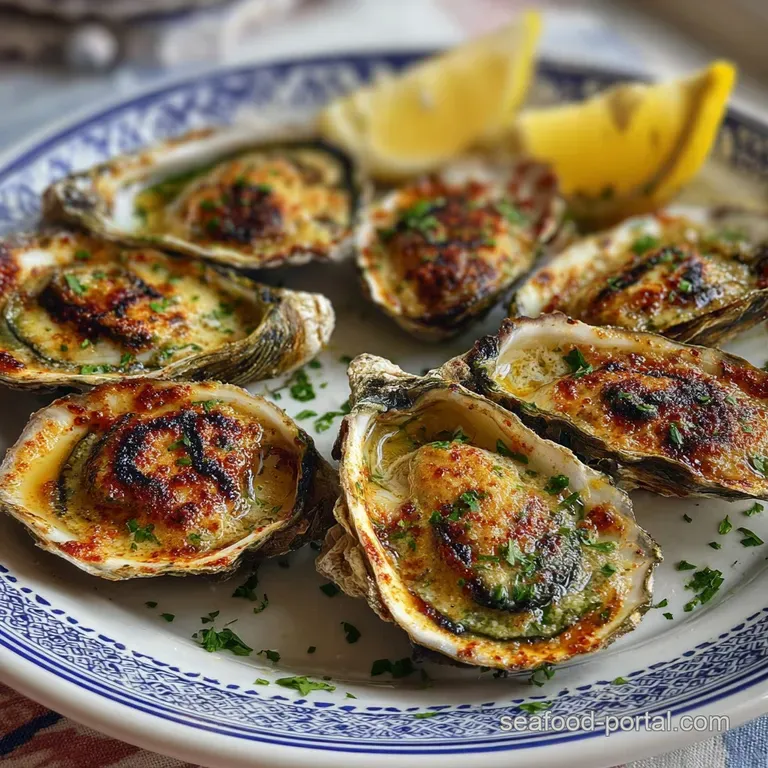
- Time: Active 25 minutes, Passive 5 minutes, Total 30 minutes
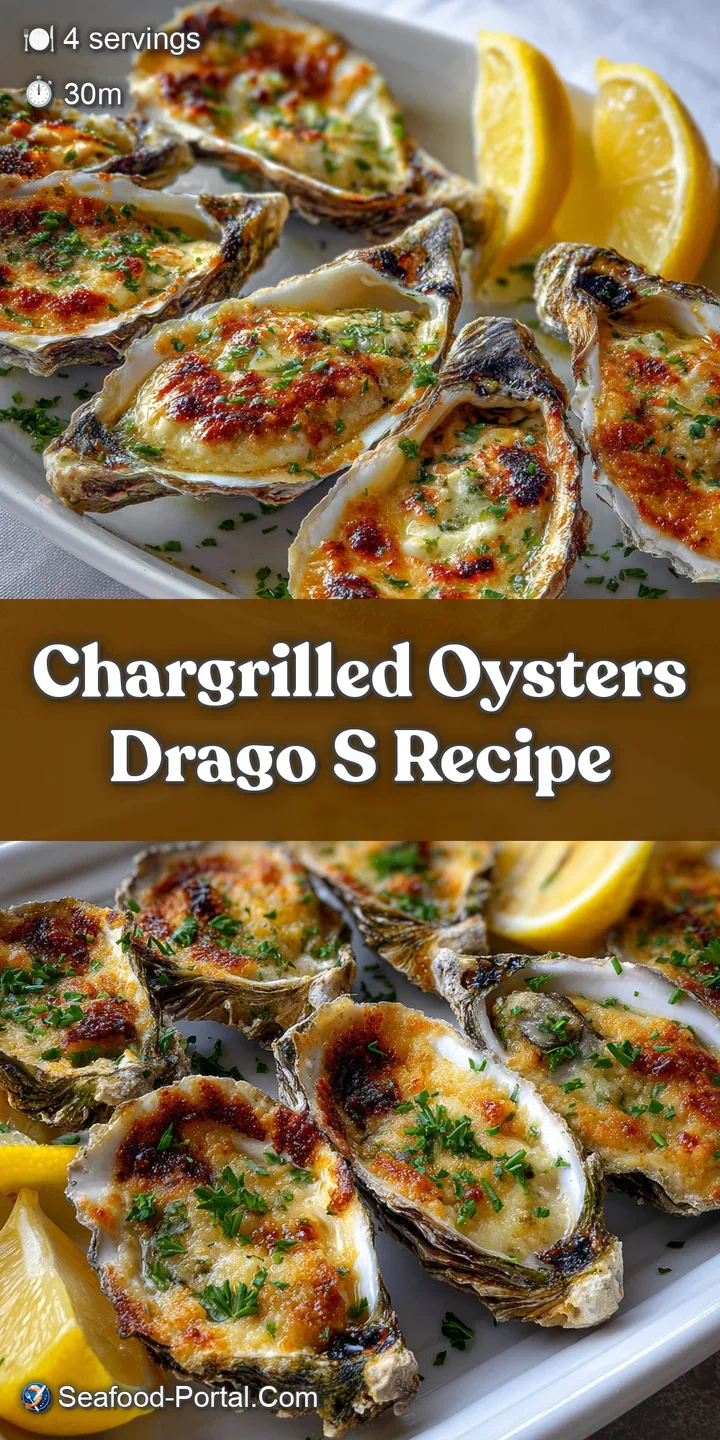
- Flavor/Texture Hook: Smoky, velvety butter with a salty, charred cheese crust
- Perfect for: Backyard summer cookouts or an impressive seafood appetizer
- Unlock This Chargrilled Oysters Drago's Recipe
- The Science of Why it Works
- Essential Methods for Recreating New Orleans Flavors
- Technical Specifics for Sizzling Garlic Butter Success
- Selecting the Best Components for Grilling
- The Right Gear for High Heat Grilling
- Step by Step Guide to the Perfect Char
- Fixing Common Errors for Better Grilling Results
- Creative Twists and Smart Ingredient Swaps
- Guidelines for Handling and Storing Leftovers
- Plating Techniques to Impress Your Dinner Guests
- Very High in Sodium
- Chargrilled Oysters Drago's Recipe FAQs
- 📝 Recipe Card
Unlock This Chargrilled Oysters Drago's Recipe
Imagine the sound of a roaring charcoal fire, the sudden hiss as cold butter hits white hot coals, and that intoxicating scent of charred garlic swirling through the air. If you've ever walked past Drago's in New Orleans, you know that smell. It's thick, savory, and enough to make anyone stop in their tracks.
I spent years trying to get that exact "flare up" flavor at home, and after a few burnt fingers and a lot of trial and error, I finally figured out that it's all about the heat and the timing.
We're not just baking oysters here. We're essentially flash frying them in their own juices and a pool of liquid gold. Most people are intimidated by shucking or the idea of cooking seafood on a grill, but it’s actually one of the most forgiving ways to cook. If you overcook a steak, it's ruined.
If you leave an oyster on for an extra thirty seconds, the cheese just gets crustier and the butter gets smokier. It's hard to mess up if you follow the rhythm of the flame.
This version is the real deal. We are using the 1 lb unsalted butter and the 0.5 cup grated Parmesan cheese mentioned in the official specs to ensure every shell is overflowing with flavor.
You'll want a sturdy loaf of French bread nearby because the leftover butter in the bottom of the shell is arguably the best part of the entire meal. Let's get into how to make this happen in your own backyard.
The Science of Why it Works
The Maillard Reaction: The high heat of the grill causes the amino acids and sugars in the Parmesan and Romano cheeses to brown, creating a savory, nutty crust.
Fat Based Insulation: The high volume of butter creates a protective barrier around the oyster meat, allowing it to cook through convection without becoming tough or rubbery.
Essential Methods for Recreating New Orleans Flavors
To get that authentic taste, you have to embrace the flame. At the restaurant, they use massive grills that stay hot for hours. At home, you need to ensure your charcoal is white hot before the oysters even touch the grate.
If the heat is too low, the oysters will steam in their shells rather than char, leading to a chewy texture instead of a tender one.
| Heat Level | Oyster Size | Cook Time | Visual Cue |
|---|---|---|---|
| High (450°F+) | Large | 5 minutes | Butter bubbling, edges curling |
| Medium High | Medium | 6 minutes | Cheese browned, liquid reduced |
| Medium | Small | 4 minutes | Shell turns grey/white, juice sizzles |
The most important technique I learned is the "baste and flare." You want the butter to drip onto the coals. That small amount of smoke created by the burning fat is what seasons the meat. It provides a depth of flavor that a kitchen oven simply cannot replicate. If you're nervous about shucking, you can always check out an Oysters Rockefeller recipe for a baked alternative, but for that true char, the grill is king.
Technical Specifics for Sizzling Garlic Butter Success
The ratio of fat to aromatics is what makes the sauce stay "together" on the shell rather than just running off into the fire. By using 1 lb unsalted butter as our base, we create enough volume to keep the oysters submerged.
This keeps the delicate protein from seizing up when it hits the direct heat of the grill grate.
| Component | Science Role | Pro Secret |
|---|---|---|
| Unsalted Butter | Heat Conductor | Use softened butter for better garlic infusion |
| Garlic (Fresh) | Aromatic Release | Mince it tiny to prevent bitter burnt chunks |
| Romano Cheese | Protein Binder | Romano has a lower melting point for better flow |
Selecting the Best Components for Grilling
Buying the right oysters is half the battle. You want "primary" oysters, which are usually larger and have a deeper cup. This "cup" is essential because it holds the 2 tbsp fresh garlic and the butter mixture without spilling.
- 24 large fresh oysters in shell: Look for shells that are tightly closed and feel heavy for their size. Why this? Heavy oysters mean they are still full of briny liquor.
- 1 lb unsalted butter, softened: We use unsalted because the oysters and cheese provide plenty of salt. Why this? Using salted butter often makes the final dish inedible.
- 2 tbsp fresh garlic, finely minced: Don't use the jarred stuff; it tastes metallic when charred.
- 1 tsp freshly ground black pepper: Coarse ground provides little bursts of heat.
- 0.5 tsp dried oregano: Adds an earthy, herbal undertone that cuts through the fat.
- 0.5 cup grated Parmesan cheese: Use the "sandy" grated version for a better crust.
- 0.5 cup grated Romano cheese: Adds a sharp, salty tang that Parmesan lacks.
- 0.25 cup fresh flat leaf parsley: Adds a hit of freshness at the very end.
- 2 lemons: The acid balances the heavy butter.
- 1 loaf crusty French bread: Absolute requirement for dipping.
If you are just starting your seafood journey and find shucking too difficult, you can start with a simpler prep like a 10Minute Mignonette Sauce recipe to practice opening shells for raw service before moving to the heat of the grill.
The Right Gear for High Heat Grilling
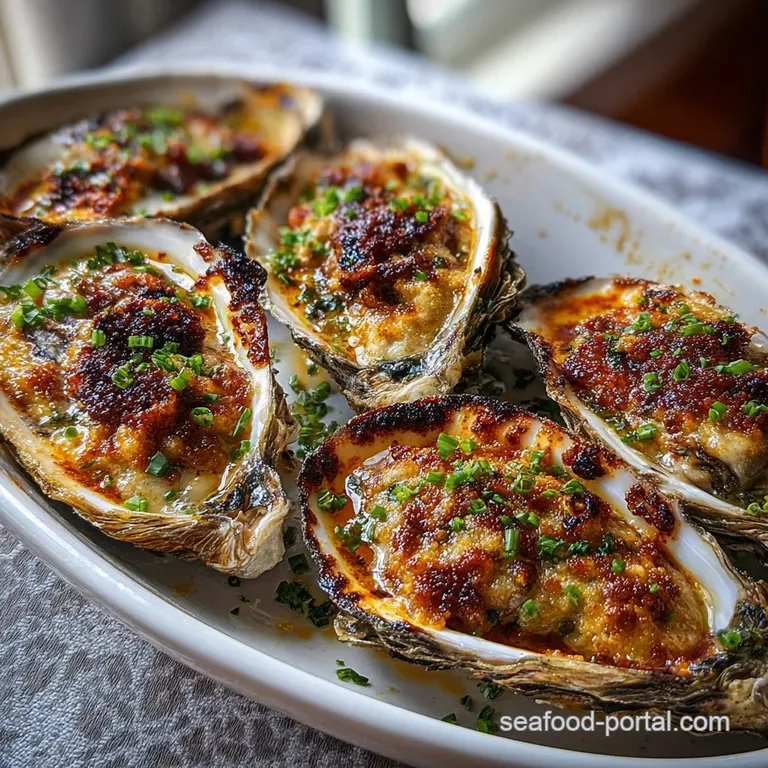
You don't need a professional kitchen, but a few specific tools make this much safer. A high-quality shucking knife with a hand guard is non negotiable. I once tried using a flathead screwdriver (bad idea), and I still have the scar to prove it.
You also want long handled tongs to move the shells around without singing your arm hair.
Chef Note: Use a cast iron skillet on the grill side burner to keep your butter sauce warm. If the butter solidifies before it hits the oyster, it won't seep into the meat properly.
Finally,, make sure you have a heavy duty glove for the hand holding the oyster shell during shucking. The shells are surprisingly sharp, especially when you're applying pressure to find the hinge. Once they're open, the rest is easy.
step-by-step Guide to the Perfect Char
1. The Prep: Shucking for Success
Wash the 24 large fresh oysters under cold running water to remove grit. Find the hinge at the back of the shell, insert your knife, and twist until the shell pops open with a distinct click. Note: Keep as much of the natural "liquor" (the juice) in the shell as possible.
2. The Infusion: Crafting the Liquid Gold
In a bowl, combine the 1 lb unsalted butter, 2 tbsp minced garlic, 1 tsp black pepper, and 0.5 tsp dried oregano. Use a fork to mash it all together until it forms a smooth, pale yellow paste.
3. The Char: High Flames and Basting
Preheat your grill to its highest setting. Place the oysters directly onto the grates. Add a generous tablespoon of the garlic butter to each shell until the butter begins to sizzle and bubble.
4. The Grate Side Flare
As the butter melts, it will drip into the fire, causing small flare ups. This is good! Let the flames lick the edges of the shells until the oyster meat starts to plump and curl.
5. The Cheese Crust
Sprinkle the 0.5 cup Parmesan and 0.5 cup Romano cheese evenly over the oysters. Close the grill lid for 60 seconds until the cheese is melted and golden brown.
6. The Finish: Melting into Perfection
Remove the oysters carefully with tongs. Immediately garnish with the 0.25 cup chopped parsley. Squeeze the 2 lemons over the platter until the aroma of citrus hits the hot butter. Serve immediately with the French bread.
Fixing Common Errors for Better Grilling Results
The biggest mistake I see is people being afraid of the heat. If the grill isn't hot enough, the butter just sits there, and the cheese becomes a gummy mess instead of a shatter crisp crust.
Why Your Oysters Are Rubbery
This usually happens because of "low and slow" cooking. Oysters are almost entirely protein and water; if they cook slowly, the proteins knit together too tightly, resulting in a rubbery texture. You want the outside to char while the inside remains silky.
| Problem | Root Cause | Solution |
|---|---|---|
| Cheese isn't browning | Grill temp too low | Close the lid for the last 60 seconds to trap heat |
| Oysters taste bitter | Burnt garlic | Mince garlic finer and ensure it's submerged in butter |
| Shells are exploding | Excessive moisture in shell | Pat the outside of the shells dry before grilling |
Common Mistakes Checklist:
- ✓ Never use margarine; it has too much water and won't flare correctly.
- ✓ Ensure the grill grates are clean to prevent the shells from sticking or tipping.
- ✓ Don't shuck the oysters too far in advance, or they will lose their freshness.
- ✓ Always use a mix of Parmesan and Romano; Parmesan provides the crust, Romano provides the salt.
- ✓ Keep the French bread warm so it soaks up the butter more effectively.
Creative Twists and Smart Ingredient Swaps
While the Drago's style is classic, you can definitely play with the flavor profile depending on what's in your pantry. Just remember that changing the fat content will change how the oyster chars.
| Original Ingredient | Substitute | Why It Works |
|---|---|---|
| Romano Cheese | Sharp Provolone | Melts faster. Note: Result will be much gooier and less crusty. |
| Dried Oregano | Fresh Thyme | Adds a more floral, earthy note to the butter. |
| French Bread | Sourdough Baguette | The acidity of sourdough cuts through the heavy butter. |
If you want a "NOLA Heat" twist, add a teaspoon of liquid crab boil or a dash of cayenne to the butter mixture. It gives it that back of-the throat tingle that locals love. You can also try the indoor broiler method if it's raining.
Just set your oven to "Broil" and place the shells on a bed of rock salt to keep them from tipping over. It won't have the smoke of the charcoal, but it'll still be velvety and rich.
Guidelines for Handling and Storing Leftovers
Seafood is best enjoyed immediately, but if you have leftovers, you can keep them in the fridge for up to 2 days. To reheat, don't use the microwave it will turn the oysters into little erasers. Instead, put them back under a broiler for 2 minutes until the butter is bubbling again.
For a zero waste approach, don't throw away those shells immediately! If you have a garden, crushed oyster shells are a fantastic source of calcium for your soil, especially for tomato plants. Also, if you have leftover garlic butter, save it in a jar.
It makes the most incredible garlic bread or base for a shrimp scampi the next night.
Plating Techniques to Impress Your Dinner Guests
The presentation of this dish is all about theater. I like to serve them on a large metal tray or a wooden board covered in a layer of rock salt. This isn't just for looks; the salt holds the heat and keeps the shells from sliding around while your guests are dipping their bread.
Scatter the lemon wedges and extra parsley generously over the top. The contrast of the bright green parsley against the charred, golden cheese makes the dish look like it came straight from a high end bistro. When you bring the tray to the table, the sizzle should still be audible. That's the sign of a job well done.
Pair this with a crisp, cold beer or a very dry white wine like a Muscadet, and you've got the ultimate New Orleans feast right in your own home. Trust me, once you master the char, you'll never want them raw again.
Very High in Sodium
1380 mg mg of sodium per serving (60% of daily value)
The American Heart Association recommends limiting sodium intake to no more than 2,300mg per day for most adults. Ideally, aiming for 1,500mg per day is even better for heart health.
Sodium Reduction Tips for Oysters Recipe
-
Reduce Cheese Quantity-15%
Parmesan and Romano cheeses are high in sodium. Reduce the amount of Parmesan and Romano cheese by half or use a low-sodium cheese alternative.
-
Eliminate Added Salt-10%
This recipe doesn't call for salt, but be sure that no salt is added during preparation to further reduce the sodium content.
-
Choose Low-Sodium Bread-5%
The crusty French bread contributes to the overall sodium. Look for a low-sodium bread option, or reduce the amount of bread served with the oysters.
-
Enhance Flavor with Herbs
Instead of relying on salt, boost the flavor with more herbs like fresh parsley, oregano, and garlic. These add depth without adding sodium.
Chargrilled Oysters Drago's Recipe FAQs
What are the ingredients in Drago's chargrilled oyster sauce?
The core ingredients are butter, garlic, Parmesan cheese, and Romano cheese. It also includes black pepper and dried oregano, with fresh parsley and lemon added as a garnish. This rich, emulsified mixture is key to the dish's signature flavor.
How long does it take to chargrill oysters?
Approximately 5-6 minutes on a very hot grill. The exact time depends on the size of the oysters and the intensity of your heat source. You're looking for the butter to bubble vigorously and the cheese to melt and brown.
What is the best seasoning for oysters?
For chargrilled oysters, the best seasoning is a rich garlic butter infused with Parmesan and Romano cheeses. This combination creates a savory crust and smoky flavor that complements the briny oyster.
While classic mignonette is great for raw oysters, the chargrilled style demands a more robust, cooked seasoning.
How do you shuck Drago's oysters?
Insert a shucking knife into the hinge, twist until the shell pops, then run the knife along the top to detach the oyster. It's crucial to wear a protective glove and to keep the oyster level to retain its natural liquor. If you're new to shucking, practicing with a simpler raw oyster preparation, like those served with a 10Minute Mignonette Sauce recipe, can build confidence.
Can I make chargrilled oysters indoors if I don't have a grill?
Yes, you can use your oven's broiler for an indoor version. Place the prepared oysters on a baking sheet lined with rock salt to keep them stable. Broil for about 2-3 minutes, watching closely to prevent burning, until the butter is bubbling and the cheese is melted and browned.
Why are my chargrilled oysters rubbery?
Rubbery oysters usually result from cooking them too slowly over low heat. Oysters are delicate protein; if they cook gradually, the protein tightens, leading to a chewy texture.
For tender, succulent chargrilled oysters, high, direct heat is essential to char the exterior quickly while gently cooking the interior.
What kind of oysters are best for chargrilling?
Large, fresh oysters with a deep cup are ideal for chargrilling. The deeper cup acts like a small bowl, holding in the generous amount of garlic butter and cheese. Look for tightly closed shells that feel heavy, indicating they are full of briny liquor, which adds flavor during cooking.
Chargrilled Oysters Drago S
Ingredients:
Instructions:
Nutrition Facts:
| Calories | 1285 kcal |
|---|---|
| Protein | 34 g |
| Fat | 106 g |
| Carbs | 52 g |
| Fiber | 3.1 g |
| Sugar | 2.4 g |
| Sodium | 1380 mg |
