Catfish Atchafalaya: Pan-Seared Fillets in Rich Louisiana Gravy
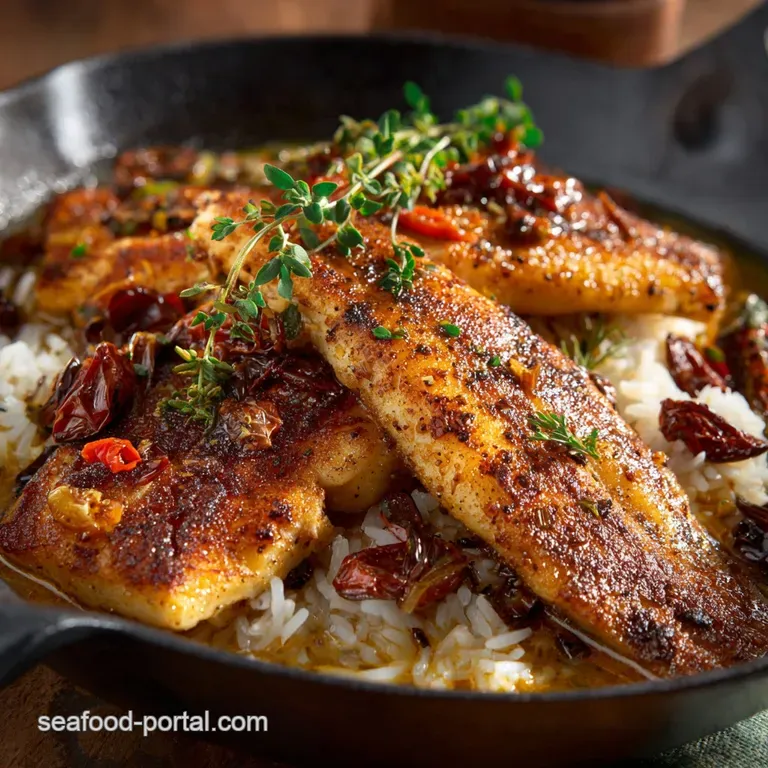
- Capturing the Spirit of the Bayou: An Introduction to Catfish Atchafalaya
- The Science of Swamp Goodness: Why This Catfish Atchafalaya Recipe Delivers
- Gathering the Necessities: Ingredients for Authentic Catfish Atchafalaya
- Mastering the Technique: Step-by-Step Guide to Pan-Seared Catfish Atchafalaya
- Chef’s Secrets and Troubleshooting: Ensuring a Flawless Atchafalaya
- Make Ahead and Storage: Practical Guide to Leftovers
- Recipe FAQs
- 📝 Recipe Card
Capturing the Spirit of the Bayou: An Introduction to Catfish Atchafalaya
You know that deep, comforting aroma of slow cooked spices and tomatoes hitting hot rice? That’s Catfish Atchafalaya calling your name straight from the Louisiana bayou. It’s fundamentally satisfying and slightly spicy, delivering a rich density that feels like a huge hug in a bowl.
This is true soul food, baby.
Look, classic Cajun and Creole cooking can feel intimidating, but this specific Catfish Atchafalaya recipe is actually fast enough for a weeknight dinner. It uses affordable, sustainable catfish, and the thick, rustic gravy base comes together in under 30 minutes.
Forget the fuss and the hours of stirring a roux; this approach is about pure, uncomplicated flavor that stretches your budget beautifully.
I've messed up my share of bayou cooking over the years; I once rushed the onions and ended up with crunchy bits in my sauce (ugh!). Now I know the secrets to getting that velvety texture and achieving a perfect, crispy pan-seared fillet swimming in a flavorful Louisiana sauce.
Let’s get this authentic, easy catfish dinner on the table.
The Science of Swamp Goodness: Why This Catfish Atchafalaya Recipe Delivers
This recipe works not because it's complicated, but because it respects the fundamentals of Southern Louisiana cooking while simplifying the hardest parts. We build the flavor in layers, ensuring every element from the seasoned fish crust to the simmered gravy stands strong.
What Exactly is Atchafalaya Gravy?
The term atchafalaya literally refers to the Atchafalaya Basin in Louisiana, a massive swamp and river system known for its rich fishing culture. When used in a culinary sense, it describes a preparation where the main protein (usually fish or crawfish) is served in a rich, tomato based sauce, sometimes called a courtbouillon or stew.
It’s hearty, thicker than a soup, and always served over rice to soak up every drop of that incredible liquid gold.
Cajun vs. Creole: Defining the Flavor Profile
While both styles are regional powerhouses, this dish leans more toward the rustic, country style Cajun side, thanks to the robust incorporation of diced vegetables (the Holy Trinity). Creole cooking, often associated with New Orleans, typically incorporates tomatoes more heavily and uses a richer, butter based roux.
We are using tomatoes, yes, but the flavor development here is focused on sweating the trinity, which is distinctly Cajun.
The History of the Atchafalaya Basin Fish Supper
This dish, along with dishes like Courtbouillon, originated as a way for Basin fishermen to make a simple, satisfying meal out of the plentiful local catfish. It was, and still is, a practical, resourceful dish, designed to use local ingredients and feed a large family cheaply.
It’s truly a representation of the area’s fishing heritage.
The Magic of the Dark Roux (Foundation of Flavor)
Okay, traditional Atchafalaya often involves a dark roux, which takes ages and can be intimidating. Here’s my genius hack: We are skipping the flour based roux entirely.
Instead, we use the natural starches and reduction of the tomato base, along with a bit of butter to sweat the vegetables, achieving a rich, natural thickness without the risk of scorching. Trust me, you won't miss the burned flour taste I once accidentally achieved.
Achieving the Perfect Pan-Sear on Catfish Fillets
The key is texture contrast. We want the gravy to be rich and soft, but the fish needs a crunch! We quickly dredge the catfish in a seasoned flour and cornmeal blend, which gives it a phenomenal crust. When you sear those fillets hot and fast, they develop a texture that stands up beautifully to the heavy sauce.
This is similar to how we get that amazing crust in my recipe for PanFried Catfish: The Ultimate Crispy Cornmeal Recipe , just using thinner fillets here.
Balancing the Holy Trinity: Aromatic Harmony
The Holy Trinity onion, celery, and green bell pepper is non-negotiable for authentic flavor. We use a 1:1:1 ratio and cook them low and slow in butter until they are completely translucent and sweet.
This slow sweat releases their natural sugars and provides the aromatic backbone that defines this Southern classic.
Gathering the Necessities: Ingredients for Authentic Catfish Atchafalaya
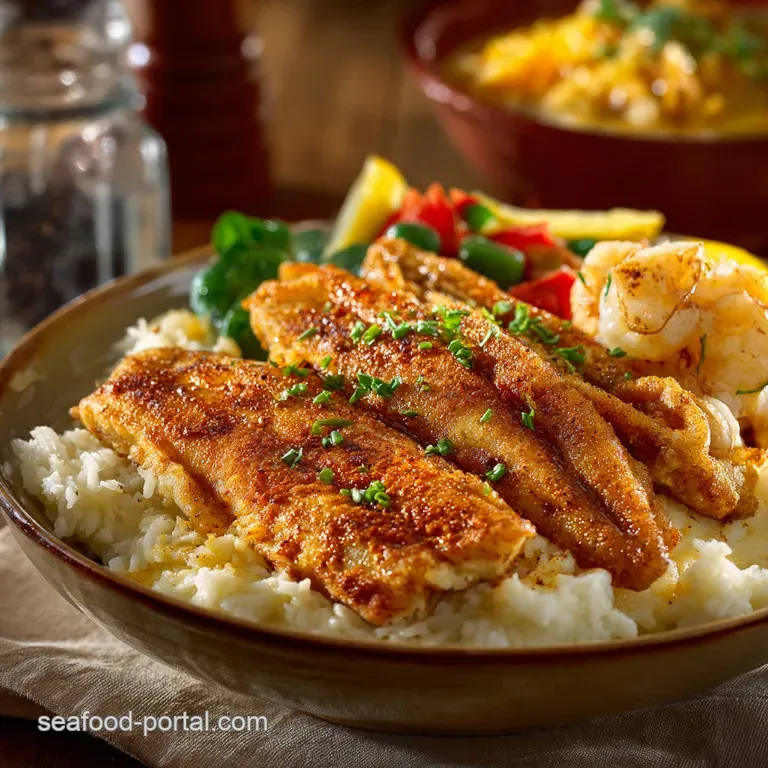
We are keeping the ingredients tight and flavorful. Quality counts here, especially with your spices and stock.
Selecting the Best Catfish Fillets for Searing
I prefer farm raised channel catfish for this recipe; they are readily available and have a firm, mild flavor that doesn't compete with the rich gravy. Make sure they are skinless and cut into portions about 4 to 5 ounces each.
Always pat them completely dry before seasoning or dredging that step is crucial for crispness!
Essential Spices and Seasoning Blends
You need a good, reliable Cajun seasoning blend, but watch the sodium! If your blend is salty, hold back on the added kosher salt until the end. We also rely on dried thyme and bay leaf for that earthy, slow cooked depth, which must not be rushed.
Building the Holy Trinity: Prep and Ratios
Chop your onion, celery, and bell pepper into a small, uniform dice. Why uniform? It ensures they cook down at the same rate. My rule of thumb is about a cup of total chopped vegetables for a four serving recipe, keeping that 1:1:1 balance of the Trinity.
Substitutions: Adjusting Acidity and Heat
No green bell pepper? Use red or yellow, though you’ll lose a little bit of that traditional, slightly bitter edge. Need a substitute for the fish stock? Use low-sodium chicken stock or even clam juice for a stronger seafood punch.
If you want less heat, simply reduce the amount of hot sauce you add at the end; it should be warming, not painful.
| Ingredient | My Recommended Substitute | Why It Works |
|---|---|---|
| Catfish Fillets | Firm Cod or Tilapia Fillets | Similar flakiness and mild flavor profile. |
| Fish Stock | Low-Sodium Chicken Stock | Provides necessary liquid and savory background. |
| Green Bell Pepper | Red Bell Pepper | Adds sweetness and color, though less traditional. |
| Vegetable Oil | Neutral Lard or Bacon Fat | Adds incredible depth to the searing fat. |
| Cajun Seasoning | Salt, Pepper, Garlic Powder, Paprika, Cayenne | Creates a custom, balanced spice rub. |
Mastering the Technique: step-by-step Guide to Pan-Seared Catfish Atchafalaya
Let's crack on! This is all about timing: gravy first, then the quick sear.
Phase I: Preparing the Classic Louisiana Gravy Base
- Sweat the Trinity: In a heavy Dutch oven, melt 2 tablespoons of butter over medium heat. Add the diced onion, celery, and bell pepper. Cook this mixture for a full 8– 10 minutes. Seriously, set a timer. They must be completely soft and translucent, smelling sweet, not sharp.
- Add Garlic: Stir in the minced garlic and cook for just 60 seconds until you smell it. Don't let it brown!
- Simmer: Dump in the whole can of diced tomatoes (juice and all), the stock, Worcestershire sauce, dried thyme, and the bay leaf. Stir everything together.
- Reduce: Bring the gravy to a slow simmer, reduce the heat to low, and let it cook, partially covered, for 15 minutes. The flavors will deepen and it will thicken naturally. Taste and season with salt, pepper, and a few dashes of hot sauce.
Phase II: Seasoning and Searing the Catfish Fillets
- Prep: While the gravy simmers, combine your flour, cornmeal, Cajun seasoning, salt, and pepper in a shallow dish.
- Dredge: Take those completely dry catfish fillets and dredge them lightly in the mix, shaking off any excess. We're going for a light coating, not a heavy batter like we use for Southern Fried Catfish: The Ultimate Buttermilk Soaked Comfort Classic .
- Heat the Pan: Heat 3 tablespoons of oil in a large skillet over medium high heat until it shimmers. If the pan isn't hot enough, the fish will stick instantly.
- Sear: Carefully lay the fillets into the hot pan, ensuring they don't touch. Cook for 3 to 4 minutes per side until they develop a deep golden brown crust. They should release easily from the pan when they are ready to flip.
Phase III: The Final Marriage of Fish and Sauce
- Rest: Remove the seared fish and let it rest momentarily on a rack or paper towel lined plate.
- Plate: Spoon a generous bed of hot, fluffy white rice onto each plate. This starch is the unsung hero of the meal.
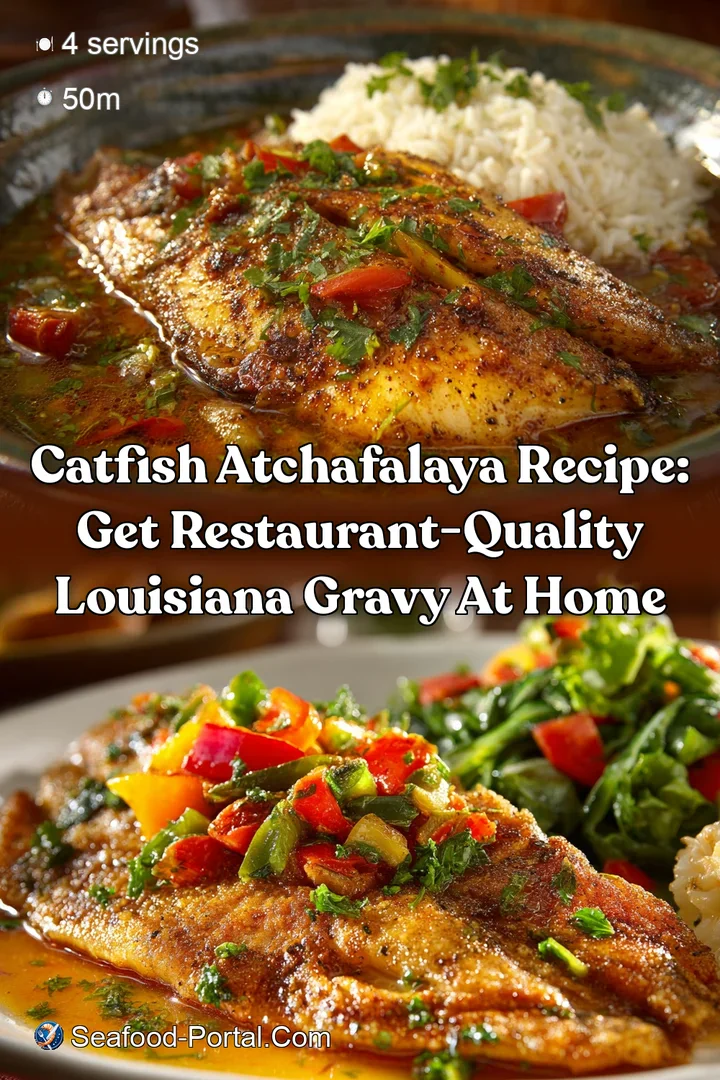
- Sauce and Serve: Ladle the thick Atchafalaya gravy generously over the rice. Don't forget to remove the bay leaf! Place one crispy catfish fillet right on top of the sauce and finish with fresh chopped spring onions.
Chef’s Note: You can simmer the catfish in the sauce for the last few minutes if you prefer a very tender, less crisp texture (like a traditional Courtbouillon), but I highly recommend keeping them separate until serving to maintain the perfect crunchy crust.
Chef’s Secrets and Troubleshooting: Ensuring a Flawless Atchafalaya
Avoiding a Scorched Roux (Crucial Mistake)
Since we skipped the traditional roux, our main danger area is burning the aromatics in Step 1. Do not turn the heat above medium, and be diligent about stirring the Holy Trinity for those critical 8– 10 minutes.
Burnt onions taste bitter and will ruin the entire pot of gravy.
Preventing the Catfish from Sticking or Flaking Too Soon
This happens when the oil isn't hot enough or when the fish is still wet. Ensure your oil is shimmering and you hear a definite sizzle when the fish hits the pan. Do not attempt to flip the fish until it has developed a crust and releases naturally from the bottom of the pan. If you try too early, it will tear and fall apart. If you want a zero stick, lower fat option, you could easily use a well seasoned baked fillet, similar to my method for Baked Catfish: Crispy Cornmeal Fillets in the Oven (Lighter Recipe) .
The Ideal Consistency for Atchafalaya Gravy
The gravy should be thick and slightly rustic, easily coating the back of a spoon, but still pourable. It shouldn't be watery. If your sauce is too thin after simmering, uncover the pot and let it cook vigorously for another 5– 8 minutes until it reduces to your desired consistency.
make-ahead and Storage: Practical Guide to Leftovers
This dish is a fantastic candidate for making ahead, especially the gravy.
Best Practices for Refrigerating the Gravy
The Atchafalaya gravy will taste even better the next day, as the spices and aromatics deepen overnight. Store the gravy in an airtight container in the refrigerator for up to 4 days. It will thicken considerably when cold, which is totally normal.
Reheating Catfish Without Drying It Out
Never reheat the crispy catfish fillets in the microwave they will turn rubbery and soggy. If you have leftover fillets, the best way to revive them is in a 350°F (175°C) oven or in an air fryer for 5– 7 minutes until crisp and hot through.
Completing the Bayou Meal: What to Serve Alongside
This rich, savory dish needs something crisp and cooling to provide balance.
The Importance of Fluffy White Rice
Long grain white rice (like Basmati or Jasmine) is mandatory here. It acts as the perfect neutral sponge for that glorious, spiced gravy. Do not substitute brown rice or risotto; the texture will fight the dish.
I always recommend a simple, crisp coleslaw (vinegar based, please, not creamy!) to provide a sharp tang against the richness. If you want a green vegetable, braised mustard greens or collards seasoned with a bit of smoked ham hock or vinegar are truly traditional and perfect.
Recipe FAQs
What fish can I use if I cannot find traditional farm raised catfish?
Any firm, white flaky fish works well as a substitute, such as tilapia, snapper, or cod. Ensure the fillets are patted very dry before searing to achieve a crisp crust.
Adjust cooking time slightly based on the thickness of the alternative fillet, noting that thinner fish like tilapia will cook very quickly.
My Atchafalaya gravy seems too thin. How can I ensure the correct consistency?
If the gravy is too liquid after the specified simmering time, let it reduce uncovered for a few extra minutes over medium low heat to evaporate excess moisture.
Alternatively, you can mix a teaspoon of cornstarch with an equal amount of cold water (a slurry) and slowly stir it into the simmering gravy until it reaches your desired thickness.
Can I prepare the rich Atchafalaya gravy ahead of time?
Absolutely, the gravy benefits immensely from being made ahead of time, as the flavors deepen and meld overnight, creating a richer profile.
Store the finished gravy refrigerated for up to 3 days and simply reheat it gently before searing the catfish fillets just prior to serving.
How can I adjust the heat level if I am sensitive to spice?
The primary heat sources are typically the cayenne pepper and any added hot sauce. For a milder dish, start by halving the specified cayenne quantity and omit the hot sauce entirely.
Taste the gravy just before the final simmer and add small pinches of cayenne gradually until you achieve a comfortable level of warmth, or pass hot sauce at the table.
My catfish fillets stuck to the pan when searing. What went wrong?
Successful searing requires a very hot pan and an oil with a high smoke point, like canola or grapeseed. Ensure your oil is shimmering before introducing the fish.
Once the fillets are placed in the hot oil, do not attempt to move them until a deep golden brown crust has fully formed, typically 3 4 minutes, at which point they should release easily from the surface.
How should I store leftover Catfish Atchafalaya, and does it freeze well?
Store the leftover gravy and fish separately in airtight containers in the refrigerator for up to 3 days.
While the tomato based gravy freezes exceptionally well for up to 3 months, the texture of the seared fish becomes soft and undesirable upon thawing and reheating, so it’s best to freeze only the gravy.
Catfish Atchafalaya With Rich Cajun Gravy
Ingredients:
Instructions:
Nutrition Facts:
| Calories | 819 kcal |
|---|---|
| Protein | 34.0 g |
| Fat | 23.0 g |
| Carbs | 119.0 g |
