Cantonese Shrimp with Lobster Sauce Recipe
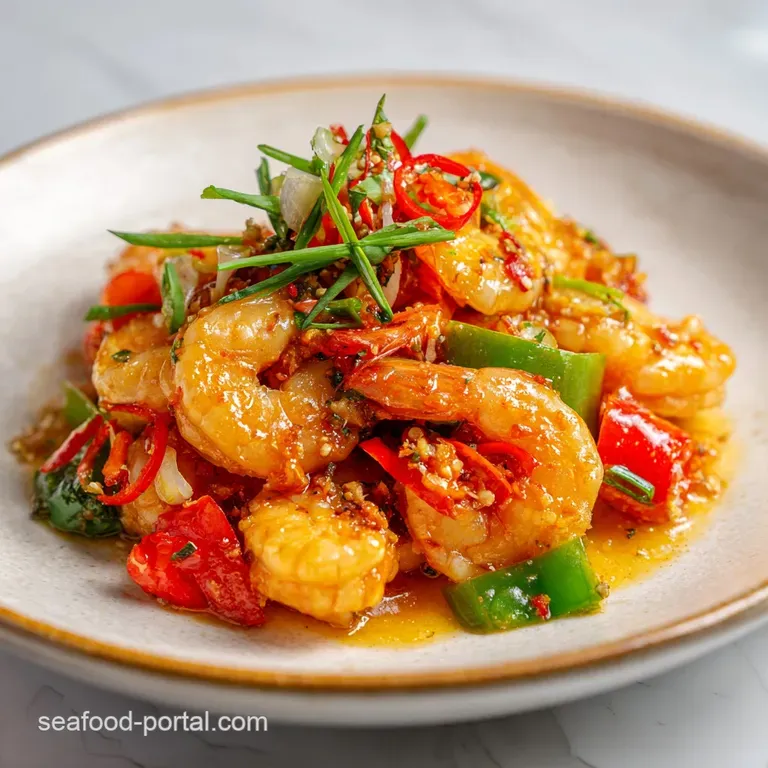
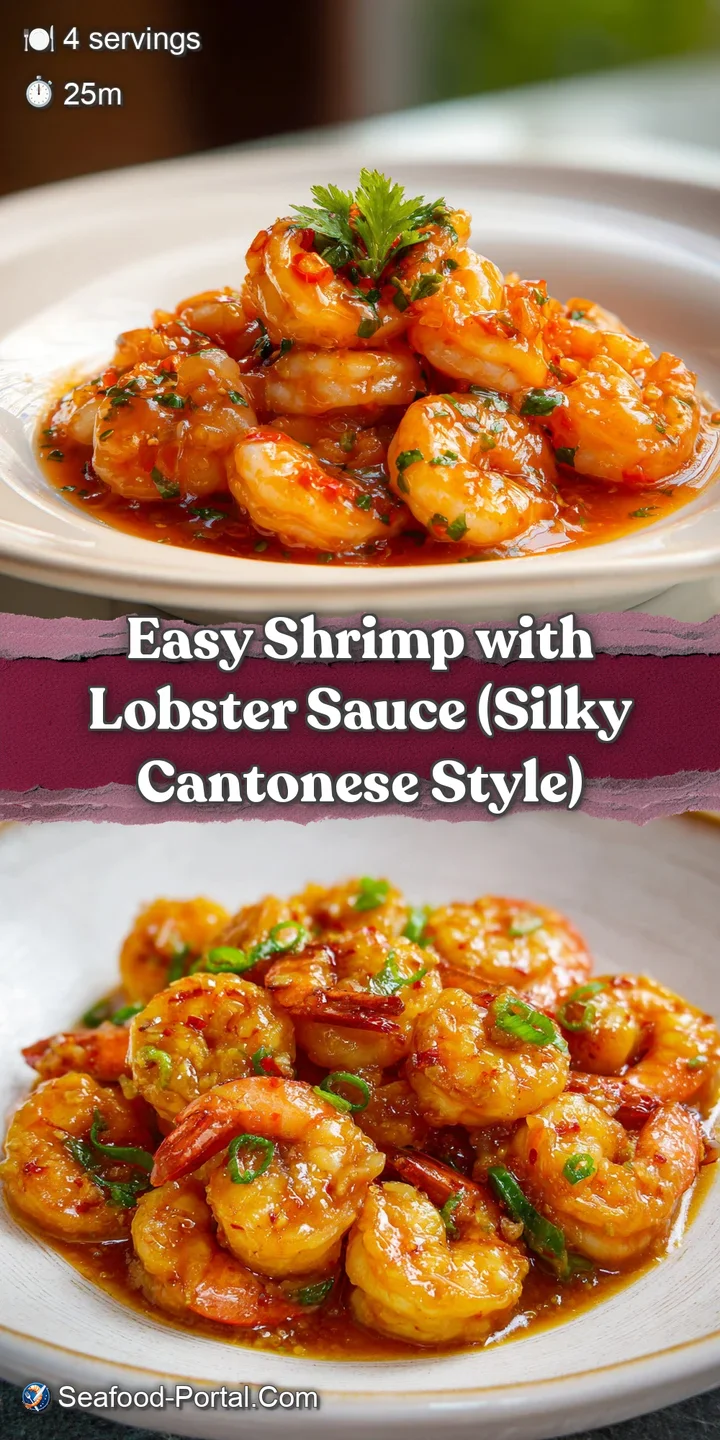
- Time: Active 15 minutes, Passive 10 minutes, Total 25 minutes
- Flavor/Texture Hook: Silky, umami rich, and snapping
- Perfect for: Weeknight dinners or impressing seafood lovers
Gathering Your Flavor Elements
- 1 lb large shrimp: Peeled and deveined. Why this? Provides the "snap" and sweet seafood backbone of the dish.
- Substitute: Scallops. Note: They cook faster and are sweeter but lack the same crunch.
- 1 tbsp Shaoxing wine: Traditional Chinese cooking wine. Why this? Neutralizes "fishy" odors and adds a nutty complexity.
- Substitute: Dry Sherry. Note: Similar dry profile but slightly more fruity.
- 3 tsp cornstarch: Divided for the marinade and the slurry.
- Substitute: Arrowroot powder. Note: Gives a glossier finish but breaks down faster under high heat.
- 1 pinch white pepper: For a subtle, earthy heat.
- Substitute: Black pepper. Note: Much sharper and changes the visual of the clear sauce.
- 2 tbsp neutral oil: Grapeseed or canola works.
- Substitute: Avocado oil. Note: High smoke point and clean flavor.
- 1 tbsp fresh ginger: Finely minced.
- Substitute: Galangal. Note: More citrusy and sharp than standard ginger.
- 3 cloves garlic: Minced into a paste.
- 1 tbsp fermented black beans: Rinsed and chopped. Why this? The "soul" of the sauce, providing deep, funky saltiness.
- Substitute: Miso paste (1 tsp). Note: Provides umami but lacks the distinct texture of the beans.
- 0.25 lb ground pork: The secret to a rich sauce.
- Substitute: Ground turkey. Note: Much leaner; you may need an extra splash of oil.
- 2 green onions: White and green parts separated.
- 1.5 cups low sodium chicken broth: The liquid base.
- Substitute: Vegetable broth. Note: Less body; you might want to add a dash of fish sauce.
- 1 tbsp light soy sauce: For seasoning.
- 0.5 tsp sugar: To balance the salt.
- 2 large eggs: Lightly beaten for the "flowers."
- 0.5 cup frozen peas: For a pop of color and sweetness.
- 1 tsp toasted sesame oil: To finish the dish.
If you enjoy the velvety texture of this sauce, you might also love the classic Shrimp Newburg The recipe, which uses a French style cream base instead of the egg drop technique.
Tools for Wok Success
You don't need a professional kitchen, but a carbon steel wok is the gold standard here. It conducts heat rapidly and allows you to push the aromatics up the sides while the pork sears in the center.
If you're using a standard skillet, go for heavy stainless steel or cast iron to maintain the temperature when the cold shrimp hit the pan.
A fine mesh strainer is also a lifesaver for rinsing those fermented black beans. They come packed in salt, and if you don't wash them, the dish will be an inedible salt bomb. I also recommend a small whisk or a pair of chopsticks for beating the eggs you want them just combined, not frothy.
step-by-step Sauce Execution
Phase 1: The Velvet Prep
- Toss the shrimp. Combine the 1 lb large shrimp with 1 tbsp Shaoxing wine, 1 tsp cornstarch, and a pinch of white pepper. Note: This creates a protective coating that keeps the shrimp succulent.
- Wait 15 minutes. Let the shrimp marinate at room temperature while you prep the other components.
Phase 2: Building the Foundation
- Heat the oil. Add 2 tbsp neutral oil to your wok over high heat until it shimmer and wisps of smoke appear.
- Sear the pork. Crumble the 0.25 lb ground pork into the pan. Cook 3 minutes until browned and crispy.
- Sauté the aromatics. Stir in the 1 tbsp ginger, 3 cloves garlic, and the 1 tbsp rinsed fermented black beans. Sauté 30 seconds until the air smells pungent and spicy.
Phase 3: The Sizzle and Simmer
- Flash cook the shrimp. Add the marinated shrimp to the wok. Stir fry 2 minutes until they just turn pink but aren't fully curled.
- Deglaze the pan. Pour in the 1.5 cups low sodium chicken broth, 1 tbsp light soy sauce, and 0.5 tsp sugar.
- Thicken the base. Mix the remaining 2 tsp cornstarch with a splash of water and swirl it into the boiling liquid until it turns from cloudy to clear and glossy.
Phase 4: The Egg Flower
- Create the swirl. Turn off the heat. Pour the 2 beaten eggs in a slow, steady stream while stirring the sauce in a circular motion with a spatula. Watch as the eggs set into velvety ribbons.
- Final add ins. Stir in the 0.5 cup frozen peas, green onions, and 1 tsp toasted sesame oil. Serve immediately over hot rice while the sauce is still shimmering.
Troubleshooting Common Texture Issues
Why Your Shrimp Is Rubbery
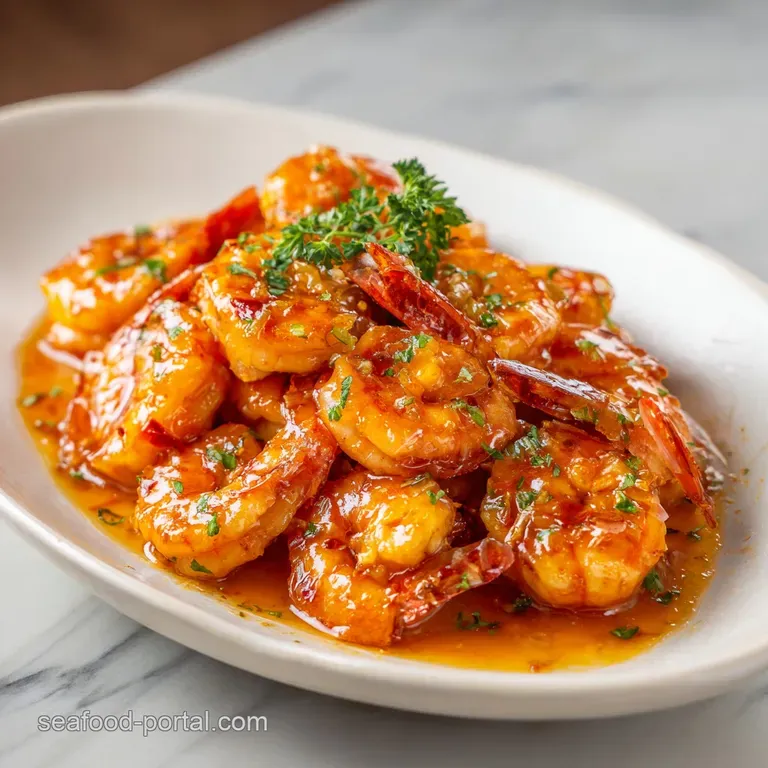
If the shrimp feels like a bouncy ball, it's overcooked. Shrimp only needs about 4 minutes of total heat. By marinating them in cornstarch (velveting), we buy ourselves a little time, but the real trick is pulling them off the heat the second they form a "C" shape.
If they form an "O" shape, you've gone too far.
Fixing a Gummy Sauce
A common mistake is adding the cornstarch slurry directly to a lukewarm liquid. It won't hydrate properly and will create jelly like lumps. Always ensure the broth is at a full boil before the slurry goes in, and stir constantly.
If it's already gummy, you can whisk in a tablespoon of hot broth to thin it out, but it’s hard to reverse.
| Problem | Root Cause | Solution |
|---|---|---|
| Sauce is watery | Not enough cornstarch or didn't boil | Simmer for 1 min to activate starch. |
| Eggs are chunky | Broth was too hot or not stirred | Stir gently while pouring egg. |
| Dish is too salty | Black beans weren't rinsed | Add a splash of broth and a pinch of sugar. |
Common Mistakes Checklist
- ✓ Rinse fermented black beans for at least 30 seconds to remove excess salt.
- ✓ Never use "pre cooked" shrimp; they will turn into rubber the moment they hit the sauce.
- ✓ Turn off the heat before adding the eggs to prevent them from becoming tough.
- ✓ Ensure the chicken broth is low sodium so you can control the seasoning layers.
- ✓ Use white pepper instead of black pepper to maintain the traditional flavor profile.
Variations and Smart Substitutions
If you want to keep this low carb, you can swap the 1.5 cups of chicken broth for a bit more water and use xanthan gum (start with 1/4 tsp) instead of cornstarch. It will still provide that velvety mouthfeel without the starch spike.
For a spicy twist, add a teaspoon of chili garlic sauce when you’re sautéing the ginger and garlic.
| Original Ingredient | Substitute | Why It Works |
|---|---|---|
| Ground Pork (0.25 lb) | Minced Mushrooms (0.5 cup) | Provides similar earthiness and "bite" for a lighter version. |
| Frozen Peas (0.5 cup) | Diced Asparagus | Adds a fresh, snappy crunch. Note: Cook with the shrimp. |
| Shaoxing Wine (1 tbsp) | Apple Cider Vinegar (1 tsp) | Provides the necessary acidity. Note: Use less as it's more sour. |
For those who want an even more luxurious experience, you could look into a Creamy Lobster Sauce recipe which uses heavy cream to achieve a different kind of richness than the egg flower method.
Storing and Reviving Leftovers
- Fridge: Keep in an airtight container for up to 2 days. The sauce will naturally thin out as the starches break down over time.
- Freezer: I don't recommend freezing this dish. The egg ribbons and the cornstarch thickened sauce will separate and become grainy upon thawing, ruining that velvety texture we worked so hard for.
- Reheating: Use the stovetop on low heat. Add a tablespoon of chicken broth to help loosen the sauce. Avoid the microwave if possible, as it will likely overcook the shrimp.
- Zero Waste: If you have leftover sauce but no shrimp, it makes an incredible topping for a simple bowl of noodles or even over a piece of steamed white fish.
Final Touches and Plating
Presentation is everything with a dish this beige. Use the dark green tops of the onions as a high contrast garnish. I like to serve this in a shallow bowl rather than a flat plate to keep the sauce pooled around the shrimp.
A final, tiny drizzle of sesame oil right before it hits the table adds a glossy sheen that catches the light.
If you're hosting, serve this alongside a simple bowl of steamed bok choy or gai lan. The bitterness of the greens cuts through the savory, salty richness of the lobster sauce. It's a balance of color and flavor that makes a humble home cooked meal feel like a banquet. Right then, let's get that wok hot!
Recipe FAQs
What is in shrimp with lobster sauce?
Shrimp, ground pork, fermented black beans, ginger, garlic, and a silky egg-drop sauce. Despite the name, this classic Cantonese dish usually contains no actual lobster meat. The richness traditionally comes from the pork and the luxurious texture achieved by swirling in beaten eggs at the end, similar to techniques found in our Shrimp Thermidor recipe.
Why is it called shrimp with lobster sauce?
The name is historical, referring to the original preparation style. Early versions in the US likely used lobster stock or ground lobster meat to create the rich, savory sauce base.
Today, the defining characteristic is the texture a thick, glossy, egg-thickened gravy rather than the presence of lobster.
What does lobster sauce taste like?
It tastes savory, umami rich, and slightly sweet, with strong aromatic notes from garlic and fermented black beans. It is not overtly "fishy" or strongly seafood flavored; it is comforting, smooth, and deeply seasoned.
The flavor profile is complex, balancing saltiness with the sweetness from the shrimp and a touch of sugar.
What is lobster sauce in Chinese food?
It is a specific, savory Cantonese American preparation built on ground pork and a velvety egg drop texture. This sauce is distinct from Western cream sauces and is characterized by its use of Shaoxing wine and fermented black beans for depth. If you enjoy the technique of achieving a perfect emulsion here, you might like the method used for the sauce in our Zesty Shrimp Enchiladas recipe.
Can I use chicken broth instead of water for the sauce base?
Yes, chicken broth is strongly recommended over plain water. Using low-sodium chicken broth provides a much richer foundation and deeper umami flavor compared to water, which results in a very thin and bland sauce.
You should aim for low sodium so you can accurately control the salt from the soy sauce and black beans.
How do I get the egg to form thin ribbons instead of scrambling?
Turn the heat completely OFF before pouring the beaten eggs in a slow, thin stream. Ensure your sauce is actively swirling due to the momentum from your stirring, which helps the liquid egg stretch out.
If the heat is on, the egg will solidify too quickly, resulting in chunky scrambled pieces rather than the desired velvety flower.
Is this dish the same as Shrimp Newburg?
No, they are fundamentally different sauces despite both being rich seafood toppings. Shrimp with Lobster Sauce uses a cornstarch slurry and egg ribbons for thickening, resulting in a glossy, savory texture.
Newburg sauce is a classic French style sauce that relies on cream and egg yolks, making it much heavier and tangier.
Cantonese Shrimp With Lobster Sauce
Ingredients:
Instructions:
Nutrition Facts:
| Calories | 337 kcal |
|---|---|
| Protein | 34.3 g |
| Fat | 13.7 g |
| Carbs | 9.9 g |
| Fiber | 1.5 g |
| Sugar | 1.2 g |
| Sodium | 385 mg |
