Cajun Cornish Hens Roasted to Perfection with Ultracrisp Skin
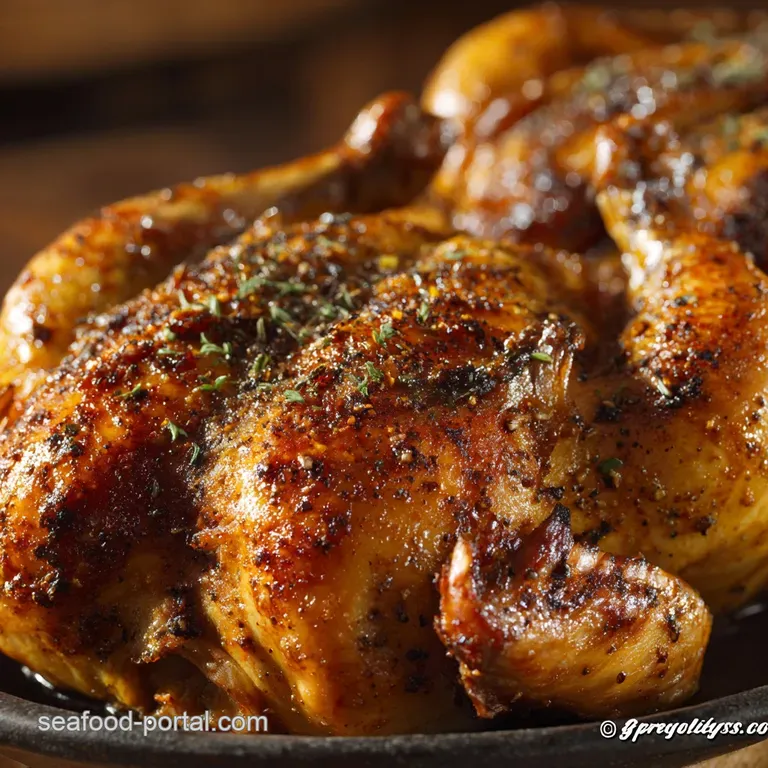
- Introducing the Cajun Cornish Hens Masterpiece: Soulful Flavor, Guaranteed Crisp
- Sourcing Your Key Components for Perfect Flavor and Texture
- Step and by-Step Guide to Flavor Infusion and Optimal Roasting
- Troubleshooting, Variations, and Maximizing Your Meal
- Efficient Storage and Serving Suggestions
- Recipe FAQs
- 📝 Recipe Card
Introducing the Cajun Cornish Hens Masterpiece: Soulful Flavor, Guaranteed Crisp
Oh my gosh, you are going to absolutely love this. I know what you’re thinking: Cornish hens? Aren’t they fiddly? Aren't they usually dry? Forget all that nonsense. When you treat these little birds right which means giving them the full Cajun treatment and respecting the science of crispy skin they become the star of any dinner table.
Seriously. I used to dread making them because the skin always came out chewy. My first attempt looked like a shriveled mess. Never again. We are chasing that deep, smoky heat of Louisiana combined with skin so crisp it crackles when you cut into it.
This cajun roasted cornish hens recipe is simple, but the key is patience and two specific techniques we're about to cover. Right then, let’s crack on.
Why the Dry and Brine Technique Guarantees Impossibly Crispy Skin
This is the non and negotiable step. If you skip this, you might as well just boil the bird (okay, that’s hyperbole, but you get the point). Think of skin as a sponge. If it’s wet when it hits the heat, the oven has to waste precious time evaporating that moisture before the Maillard reaction (browning and crisping) can start.
By that time, the meat is often overcooked.
The dry and brine is simple: Pat the bird bone and dry with paper towels, rub it with salt and seasonings, and stick it on a rack in the fridge, uncovered. The cold, dry air circulating around it actively wicks away moisture. It shrinks the skin and makes it taut. It’s brilliant.
If you only have an hour, do an hour. If you can leave it overnight, even better. This is how you achieve perfectly crisp cajun style cornish hens.
Understanding the Authentic Spice Profile of Louisiana Cooking
Cajun food is about layering flavor, not just blasting your face off with heat. Sure, we want a kick (hello, cayenne!), but the foundation must be earthy, smoky, and savory. That's why we use ingredients like smoked paprika, which brings a crucial depth that sweet paprika just can't touch.
We balance that heat and earthiness with garlic powder and onion powder the unsung heroes of any good Southern blend. And don't forget the tiny bit of brown sugar. That’s my secret touch. It doesn’t make the rub sweet; it just helps the skin caramelize into a beautiful mahogany crust.
Is a Cornish Hen Just a Baby Chicken? Defining the Game Bird
Technically, a Cornish Hen (or Rock Cornish Game Hen, to be precise) isn't a game bird, and it's not a special breed in the way a duck is different from a chicken. It’s actually a small, young broiler chicken usually under five weeks old that weighs less than two pounds.
Because they are so young, the meat is incredibly tender and mild, meaning it absorbs our amazing cajun spice rub perfectly. They are basically single and serving chickens. Which is great, because who wants to share a perfect, crispy hen?
Sourcing Your Key Components for Perfect Flavor and Texture
Anatomy of the Ultimate Homemade Cajun Seasoning Blend
Look, I’m not saying you can’t use store and bought seasoning. But the vast majority of commercial blends are sodium bombs, hiding the real flavor behind a salt crust. Making your own lets you control the quality and intensity. This blend gives you that robust, smoky cajun butter cornish hens flavor base.
Here are the heavy hitters and why they matter:
- Smoked Paprika: Must be smoked. Non and negotiable for that Louisiana campfire depth.
- Dried Thyme & Oregano: The traditional aromatic herbs. They provide the deep, savory undertones.
- Garlic and Onion Powder: These penetrate the meat better than fresh minced ingredients during a dry brine, offering continuous flavor.
- Cayenne Pepper: Your heat regulator. Start small; you can always add more, but you can't take it away.
Selecting and Prepping the Best Quality Cornish Hens
When you’re buying them, look for hens that are roughly the same size, if possible. This ensures they cook evenly. Once home, the prep is simple but vital . Pull out those little packets of giblets from the cavity I can’t tell you how many times I’ve forgotten that step in a rush and had a crisis halfway through roasting.
Then, grab those paper towels. Pat them dry, inside and out. Then pat them again. Seriously, the more moisture you remove now, the faster you get that beautiful, crisp crust later.
Necessary Kitchen Tools for Achieving Roasting Success
You don't need a crazy rotisserie oven, but two tools are genuinely essential for success with this cornish hen recipe.
The greatest mistake most home cooks make when roasting poultry is not using a wire rack. Resting the bird directly on the pan causes the bottom skin to steam in its own fat and juices. Use a rack so air can circulate 360 degrees around the hen. That is how you get crisp skin underneath.
The second critical tool is an instant and read meat thermometer. We are dealing with small poultry. Minutes matter. You need to pull the birds the second they hit temperature.
Related Recipes Worth Trying
- Easy Grilled Grouper with Cajun Spice 20Minute Recipe for a Perfect Sear — Make Easy Grilled Grouper with Cajun Spice tonight This quick recipe guarantees crispy edges and a fiery homemade rub perfect for weeknight Grilling Fish
- Blackened Tilapia Authentic CajunStyle Skillet Recipe — This Blackened Tilapia recipe creates an incredible dark smoky crust in a hot cast iron skillet Perfect for a quick Tilapia Dinner this highheat method...
- Cajun Baked Catfish Healthy Spicy and Ready in Under 35 Minutes — Master the best Cajun Baked Catfish recipe achieving a smoky blackened crust without the mess This Healthy Baked Catfish Fillets dinner is easy and ready in...
Step and by-Step Guide to Flavor Infusion and Optimal Roasting
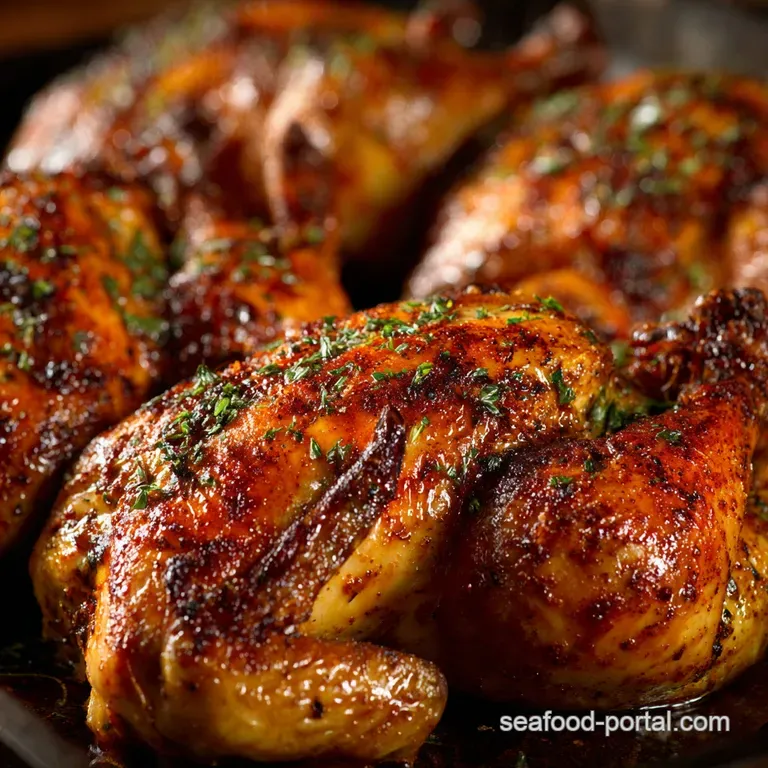
The Crucial Seasoning and Butter Application Process
We are using a seasoned butter paste, which is far superior to simply drizzling oil. Why? Butter adds incredible richness and helps the spices adhere uniformly. Take your softened butter (it must be soft, not melted!) and mix in the olive oil and the prepared Cajun seasoning blend.
Now, here's the trick I learned the hard way (my first hens had incredibly dry breasts). Gently slide your fingers under the skin over the breast meat to loosen it. Take about a teaspoon of that seasoned butter and push it under the skin directly onto the breast meat.
This bastes the white meat from the inside while it cooks. Rub the remaining paste all over the exterior. Don't be shy.
Optimal Oven Temperature and Timing for Tender Cajun Cornish Hens
We are starting hot and finishing steady. This two and temperature technique creates a beautifully bronzed, crispy exterior without drying out the interior.
- The Blast: Preheat your oven to 425°F (220°C). That high heat gives the skin a powerful sear right away, locking in the crispness we worked so hard for during the dry and brine. Roast for 15 minutes.
- The Cook: Drop the temperature down to 375°F (190°C) and let it continue roasting for another 30– 40 minutes.
Resist the urge to baste! Every time you open the oven and slather on juices, you lower the surface temperature, reintroducing moisture and stalling the crisping process. Leave it alone!
Resting and Carving Your Beautiful Birds for Serving
Once your thermometer hits 165°F (74°C) in the thickest part of the thigh, get those cajun cornish hens out immediately. Transfer them to a carving board and loosely tent them with foil. Key word: loosely .
You want the heat to redistribute the juices, but you don't want to trap steam (hello, soggy skin again). Let them sit for a solid 10 minutes. When you carve them or just serve them whole, they look so impressive the meat will be unbelievably juicy.
Troubleshooting, Variations, and Maximizing Your Meal
Efficient Storage and Serving Suggestions
Essential Internal Temperatures for Guaranteed Food Safety
Please, stop relying solely on a timer. Every oven is different, and hen size varies. The moment of perfection in poultry is defined by one number: 165°F (74°C). Stick the thermometer deep into the thigh, making sure you are not touching the bone, which reads hotter than the meat.
If the juices run clear when poked, you’re good. If they're pink, give it another 5– 8 minutes.
Flavor Variations: Adding Lemon Zest or Herbs to the Rub
Want to jazz up the spice? The foundation is perfect, but sometimes I like a bit of brightness.
- Lemon Brightness: Add 1 tablespoon of finely grated lemon zest to the butter rub. It cuts through the richness beautifully.
- Rosemary: Chop 1 teaspoon of fresh rosemary very finely and mix it into the paste for a more herbaceous, piney scent. (Just make sure the rosemary is small enough not to burn.)
- Heat Level: If you prefer medium and spicy, halve the cayenne pepper. If you like it scorching hot, double it!
How to Adapt the Spice Level for Milder Palates
If you are cooking for people who really can’t handle the heat, just eliminate the cayenne pepper entirely and replace it with 1/2 teaspoon of sweet paprika. You will still get all the incredible smoky, savory cajun flavor from the rest of the blend without any lingering burn.
Recommended Side Dishes That Perfectly Complement Cajun Heat
You need sides that can stand up to this kind of robust flavor. Creamy, starchy, and slightly acidic sides work best to cool down the heat and soak up the pan juices.
- Dirty Rice: This is a classic pairing for a reason. It absorbs all the beautiful spice and rendered fat.
- Creamy Cheese Grits: If you want comfort, look no further. The mild, milky flavor of the grits is the perfect counterpoint to the spice.
- Simple Coleslaw: A sharp, vinegary coleslaw provides a cold, crunchy acidity that refreshes the palate between spicy bites.
Efficiently Storing and Reheating Leftover Cornish Hens
If you are lucky enough to have leftovers (it rarely happens in my house), store the meat carved off the bone in an airtight container in the fridge for up to 3 days. To reheat, don't use the microwave unless you want rubber.
Warm the meat gently in a small covered dish in the oven at 300°F (150°C) until just warmed through. Add a splash of broth to the bottom of the dish to keep the meat from drying out.
Nutritional Overview and Serving Size Analysis for Dinner Planning
These birds are satisfying. One entire 1.5 pound raw hen (which yields about 8 10 ounces of cooked meat) constitutes one full, generous serving. This is a protein and heavy main course, naturally, with most of the fat coming from the skin and the butter rub.
Keep your side dishes light, or if you opt for starchy sides (like rice), consider those additions when planning your meal calories. For dinner planning, budget about 2 hours 45 minutes from start to finish (including that mandatory chill time).
These cajun stuffed cornish hens (or rather, cavity and stuffed hens!) are a truly spectacular way to impress without spending all day in the kitchen.

Recipe FAQs
Can I prep the Cajun Cornish Hens ahead of time, say, the night before a Sunday lunch?
Absolutely, prepping the Cajun Cornish Hens overnight is actually ideal! Apply the seasoned butter rub, place them on the wire rack, and let them dry-brine in the fridge for up to 12 hours; this guarantees maximum flavour penetration and unbeatable crispy skin, making Sunday stress free.
Why do I have to leave the hens uncovered in the fridge? That seems a bit odd, doesn't it?
Leaving the poultry uncovered is the crucial step for getting truly crisp skin it’s called dry brining. This process dehydrates the skin’s surface, allowing it to sear beautifully in the hot oven rather than steaming, eliminating that dreaded soggy poultry skin.
Crikey, the recipe uses cayenne pepper! How do I stop these getting too hot for the family or young children?
The heat level is entirely up to you; simply dial back the cayenne pepper or omit it entirely if serving sensitive palates. You’ll still get lovely depth from the smoked paprika and oregano without the fiery kick, keeping everyone happy.
If I can't find Cornish hens at the butcher, what else could I use with this cracking Cajun rub?
You’re in luck, this robust rub works brilliantly on most poultry! It’s a perfect match for four large bone-in, skin-on chicken thighs, just remember to reduce the roasting time to around 30 35 minutes, always hitting that 165°F (74°C) internal temperature.
Do I need to baste the hens while they’re roasting to keep them moist?
No basting needed! The butter rub applied directly under the skin ensures the breast meat stays tender, and basting would only drop the skin temperature, hindering the crucial crisping process we’ve worked so hard for.
How long do the leftovers keep, and can I freeze them once they're cooked?
Cooked hens stored in an airtight container will keep safely in the fridge for 3 4 days; while technically you can freeze them, the skin will inevitably lose its desirable crispness upon thawing, so they are best eaten up fresh or repurposed in a spicy sandwich.
Cajun Cornish Hens With Crisp Skin
Ingredients:
Instructions:
Nutrition Facts:
| Calories | 487 kcal |
|---|---|
| Protein | 29.0 g |
| Fat | 39.0 g |
| Carbs | 5.0 g |
