The Ultimate Shrimp Dejonghe a Proper Buttery Treat
- Unlocking the Chicago Classic: What is Shrimp DeJonghe?
- Why This Recipe Demands Your Attention
- The Essential Pantry Checklist for Rich Flavor
- Gathering Your Prep and Baking Tools
- Step-by-Step Execution: Creating the Flavor Bomb
- The Simple Process of Baking Shrimp DeJonghe Perfection
- Pro Tips and Troubleshooting Your Dish
- Storage, Freezing, and Reheating Best Practices
- Exploring Variations and Dietary Adjustments
- Recipe FAQs
- 📝 Recipe Card
Unlocking the Chicago Classic: What is Shrimp DeJonghe?
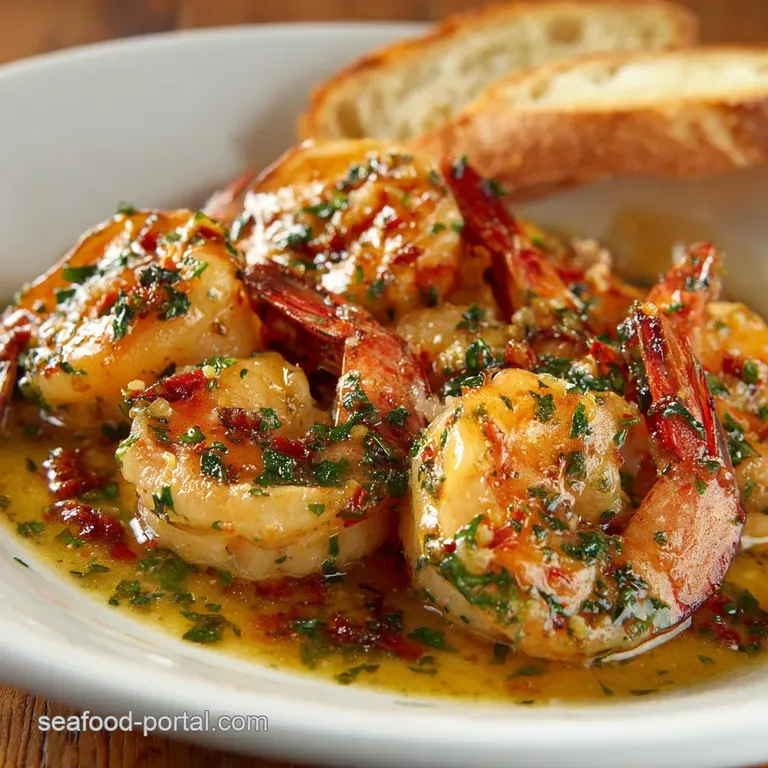
Shrimp DeJonghe is more than just a dish; it’s a culinary landmark, a signature of classic Chicago dining established in the early 20th century. This legendary preparation is a study in purposeful indulgence, where large, succulent shrimp are baked under an extraordinary blanket of garlic, herbs, and breadcrumbs, all saturated in dry sherry infused butter.
This isn't a delicate appetizer; it is an unabashedly rich main course or a powerful shared starter designed to be scooped up with crusty bread. The brilliance of the Shrimp De Jonghe approach lies in its simplicity: it takes minimal effort but delivers maximum impact, making it a revered fixture in upscale steak houses and seafood institutions across the Midwest.
Why This Recipe Demands Your Attention
If you are looking for a show stopping seafood bake that delivers profoundly savory comfort without requiring hours of labor, the authentic shrimp dejonghe recipe is your answer. It achieves complexity through high-quality fats and aromatics, not tedious technique.
The Culinary History Behind the Name
The origins of the dish trace back to the iconic DeJonghe Hotel and Restaurant in Chicago, which sadly closed its doors decades ago. While the original chefs and exact formula may be lost to time, the general spirit a hearty, butter rich baked shrimp Shrimp De Jonghe Casserole style has endured, cementing its status as the quintessential shrimp dejonghe chicago offering.
Replicating this experience means embracing the dish's decadent reputation.
Decadence Defined: The Role of Sherry and Butter
The secret weapon in the flavor arsenal of the shrimp dejonghe original recipe is the synergistic use of dry sherry and a generous full stick of unsalted butter. When melted together with shallots and garlic, the sherry lifts the heavy richness, adding a nutty, aromatic depth that plain butter cannot achieve.
This rich, complex base is what transforms simple shrimp into an extraordinary, sophisticated seafood bake.
Perfect Pairings: What to Serve Alongside
Because this dish is intensely rich, successful pairings require acidity and texture contrast. Serve this classic preparation with thick slices of warm, crusty sourdough or a French baguette essential tools for mopping up every last drop of the glorious butter sauce.
For a side, a simple green salad dressed with a sharp vinaigrette or peppery rocket (arugula) provides the necessary counterbalance to cut through the buttery opulence. For beverages, a crisp, dry white wine like Sauvignon Blanc or an unoaked Chardonnay is the classic complement.
Achieving Restaurant Level Richness at Home
Despite its sophisticated taste profile, the process for creating this dish is surprisingly straightforward, falling comfortably into the easy-to-medium difficulty range. The challenge doesn't lie in complex folding or sauce reductions, but rather in precise timing.
Achieving fully cooked, tender shrimp encased in that perfect, Golden Crispy Shrimp Dish topping requires a keen eye on the oven during the final 15 minutes of baking.
The Essential Pantry Checklist for Rich Flavor
To create this incredible bake, the quality of your ingredients truly matters. We are starting with two pounds of large or jumbo shrimp, peeled and deveined. For the buttery base, you will need a full stick of softened unsalted butter, six cloves of finely minced garlic, and one large finely minced shallot (about three tablespoons).
The critical liquid elements are a quarter cup of good quality dry sherry (like Fino or Amontillado avoiding the high sodium "cooking sherry") and a teaspoon of Worcestershire sauce for umami depth, finished with half a teaspoon of smoked paprika.
For the texture and herbaceous finish, gather one cup of Panko breadcrumbs, three quarters cup of tightly packed fresh parsley, one tablespoon of fresh thyme leaves, and a teaspoon of dried oregano.
Gathering Your Prep and Baking Tools
Preparation time for this recipe clocks in at about 20 minutes, primarily dedicated to cleaning the shrimp and finely mincing the herbs and aromatics. You will need a standard 9 by 13 inch baking dish for a shared portion, or four individual ramekins for impressive presentation, a large mixing bowl, a small saucepan for preparing the butter base, and a rubber spatula for blending.
Selecting Superior Shrimp: Size and Preparation
For the best results, select large or jumbo shrimp; their density prevents them from overcooking too quickly. While traditionalists might leave the tail on, removing the tail makes for far easier eating when serving the dish as a casserole.
Most importantly, ensure your shrimp are patted thoroughly dry with paper towels before seasoning; this prevents excess moisture from pooling and diluting the aromatic butter base.
Mastering the Butter-to-Breadcrumb Ratio
The secret to a crisp topping is using Panko breadcrumbs for maximum crunch and incorporating just enough of the melted butter base to moisten the crumbs without making them soggy.
We reserve exactly half of the butter mixture for coating the shrimp, leaving the other half to fully saturate and flavor the one cup of Panko, along with the generous amount of fresh parsley, thyme, and dried oregano. This ensures the breadcrumbs become beautifully golden brown and fragrant during baking.
Ingredient Substitutions That Won't Compromise Taste
While the shrimp dejonghe original recipe calls for dry sherry, you can successfully substitute it with an equal amount of dry white wine, such as Pinot Grigio, or even a robust, high-quality chicken stock if avoiding alcohol entirely.
If shallots are unavailable, use half the amount of finely minced yellow onion. For the crust, if you desire a truly old-school richness, substitute the Panko with crushed Ritz crackers; just be sure to slightly reduce the amount of butter mixed into the crumbs, as the crackers are already fatty.
Must Have Mixing and Baking Vessels
A 9 by 13 inch baking dish is ideal for serving the Shrimp De Jonghe family style, offering sufficient surface area for the butter to bubble and the crust to crisp. Alternatively, four individual ramekins elevate the presentation, making this rich seafood dish a perfect fit for an intimate dinner party.
Related Recipes Worth Trying
- Foolproof Shrimp on the Barbie with Smoky Chili Butter Glaze — Forget rubbery seafood This easy Shrimp on the Barbie recipe uses the Best Shrimp Marinade for plump juicy results Quick Shrimp On The Grill Skewers...
- Sticky Spicy Pineapple Shrimp StirFry Ready in 25 Minutes — Forget takeaway This Pineapple Shrimp Stir Fry delivers plump shrimp and sweet pineapple in a perfect sticky sweetandspicy glaze A foolproof shrimp with...
- Quick Seared Red Argentinian Shrimp with Lemony Garlic Butter — Learn How To Cook Argentine Red Shrimp perfectly in under 20 minutes These Royal Red Shrimp sear quickly tossed in a buttery lemon sauce Delicious and easy...
step-by-step Execution: Creating the Flavor Bomb
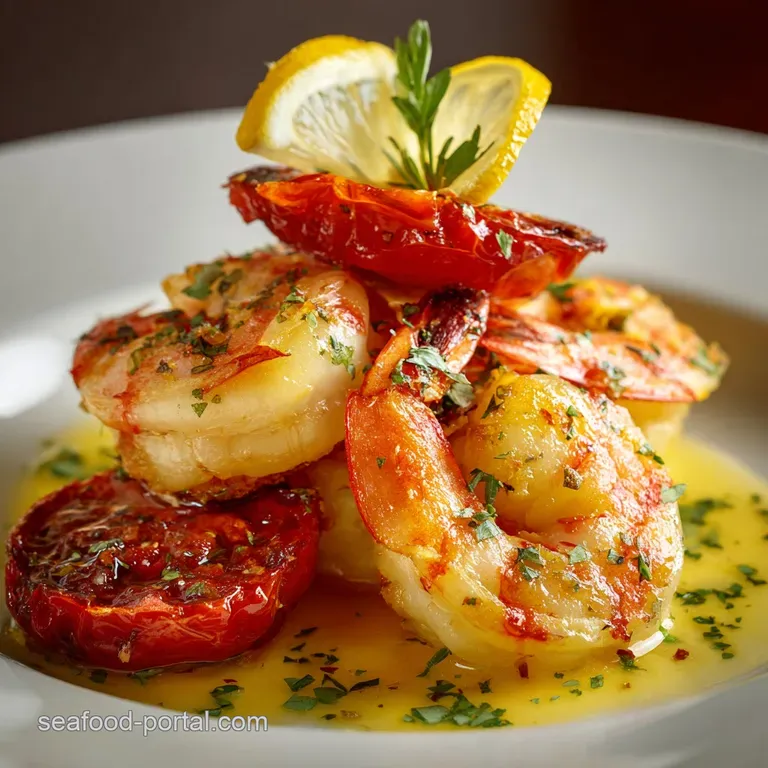
We begin by preheating the oven to 375° F ( 190° C) and lightly greasing the baking vessel. The preparation focuses on developing layers of flavor. First, mince all six cloves of garlic and the large shallot, and finely chop your fresh parsley and thyme.
Next, pat the two pounds of shrimp dry and season them simply with half a teaspoon of salt and a quarter teaspoon of black pepper. The process then moves swiftly from the stovetop to the mixing bowl.
The Simple Process of Baking Shrimp DeJonghe Perfection
The cooking phase is all about infusion and achieving the desired texture a crisp topping over tender, juicy shrimp. The total cook time is remarkably short, usually between 15 and 18 minutes.
Prepping the Aromatic Butter Base
In a small saucepan, gently melt the stick of unsalted butter over medium low heat. Add the minced shallots and cook them gently for two to three minutes until they become translucent; avoid browning them. Next, stir in the minced garlic and sauté for precisely one minute until it becomes wonderfully fragrant.
This step requires vigilance, as burnt garlic will introduce a bitter note that can ruin the entire dish. Immediately stir in the quarter cup of dry sherry, the Worcestershire sauce, and the paprika, then remove the pan from the heat.
Building the Perfect Breadcrumb Crust Layer
In a large mixing bowl, combine the Panko, the fresh parsley, thyme, oregano, and a pinch of optional cayenne pepper. Crucially, pour only half of the prepared butter base (about 60 ml) over the breadcrumb mixture and toss until every crumb is uniformly coated and fragrant.
This mixture forms the future Chive Garnished Seafood Dish topping.
Achieving Golden Brown Crispness
Once the topping is mixed, the assembly begins. Add the seasoned shrimp directly into the saucepan containing the remaining half of the warm butter base and toss until the shrimp are completely coated.
Arrange the buttered shrimp evenly in the prepared baking dish and pour any residual buttery liquid over the top. Distribute the prepared herb and breadcrumb topping generously over the shrimp, pressing lightly to ensure adhesion. Bake for 15 to 18 minutes.
Knowing When Your Shrimp is Properly Cooked
The shrimp is finished cooking when it has turned opaque pink throughout and registers an internal temperature of 145° F ( 63° C). The topping should be bubbling vigorously and have achieved a beautiful golden brown color.
If the crust is not quite crisp after 15 minutes, finish it under a hot broiler for 60 seconds, but watch diligently as the crumbs can burn quickly.
Pro Tips and Troubleshooting Your Dish
The difference between a good Shrimp DeJonghe and a spectacular one lies in attention to detail. My top tip is never to rush the garlic stage; cooking it low and slow prevents bitterness. Next,, using fresh herbs, particularly the generous amount of fresh parsley and thyme, is non-negotiable.
Dried herbs simply won't provide the essential brightness needed to balance the heavy butter base. Finally, be mindful of the cooking time shrimp are delicate and will turn rubbery if left in the oven too long. Set a timer and check for that perfect opaque texture at the 15-minute mark.
Storage, Freezing, and Reheating Best Practices
Preventing the Crust from Becoming Soggy
The key to preventing sogginess is ensuring the dish is baked fully until the crust is dry and crisp. If you are preparing this ahead of time, mix the herb butter and breadcrumbs, but do not assemble the final layer until right before it goes into the oven.
Scaling the Recipe for Large Crowds
This recipe is easily scaled up. Simply multiply the ingredients proportionally. When scaling, use multiple 9 by 13 inch dishes rather than attempting to pile all the ingredients into one giant vessel.
Keeping the shrimp in a relatively single layer is vital for even cooking and proper crispness of the Shrimp De Jonghe Casserole .
Safe Refrigeration and Shelf Life
Unbaked shrimp is best used within 24 hours of coating. Once baked, leftovers should be cooled completely and stored in an airtight container in the refrigerator for up to three days.
This dish does not freeze well once baked, as the breadcrumb topping deteriorates and the shrimp texture suffers upon thawing.
How to Revive Leftovers Without Drying Them Out
To revive leftover shrimp dejonghe recipes easy style, preheat your oven to 300° F ( 150° C). Place the portion in an oven safe dish, cover loosely with foil to retain moisture, and reheat for 10 to 15 minutes, removing the foil for the last few minutes if you want to crisp the topping slightly.
Avoid microwaving, as this will result in rubbery seafood.
Exploring Variations and Dietary Adjustments
Making the Recipe gluten-free (And Still Delicious)
To adapt this decadent seafood bake for gluten sensitivities, substitute the Panko breadcrumbs with finely crushed gluten-free crackers (such as rice crackers or certain buttery almond crackers) or use gluten-free plain breadcrumbs.
Ensure the gluten-free substitute is tossed with the butter just enough to moisten, maintaining that critical crisp texture.
Transforming the Dish into a Pasta Sauce
One fantastic variation is using the finished bake as a sauce. After baking the Shrimp DeJonghe until the shrimp are opaque and the butter is bubbling, stir the entire contents of the dish shrimp, butter, and all into a pound of hot, cooked linguine or fettuccine.
The rich butter base coats the noodles beautifully, creating an instant, luxurious main course pasta dish.
Recipe FAQs
I don't have dry sherry. Is it absolutely essential for authentic Shrimp DeJonghe, and what can I substitute?
While the dry sherry is the secret sauce for authenticity and depth it adds a brilliant nutty complexity you can certainly swap it out if needed. A dry white wine like an unoaked Chardonnay or Pinot Grigio works wonders, maintaining that crisp acidity.
For a non-alcoholic option, use a high-quality chicken or vegetable stock; just remember, never use the cheap "cooking" sherry, it’s honestly rubbish!
Good heavens, this is a lot of butter! Can I lighten up this recipe a bit without losing the classic flavour?
It’s true, Shrimp DeJonghe is a decadent classic meant to be enjoyed properly, so we don't recommend drastically reducing the fat in the base, as the shrimp relies on that coat. You can reduce the amount of butter added to the breadcrumb topping slightly, or substitute some Panko with crushed Ritz crackers.
The crackers already have a buttery flavour, allowing you to cut back on the added melted fat needed for a binding agent.
How do I stop my shrimp from getting rubbery and ensure my breadcrumb topping stays crisp, not soggy?
The trick is timing and dryness. First, ensure your raw shrimp are patted bone dry before seasoning; excess moisture creates steam and dilutes the butter. Second, watch the clock! Shrimp cooks in a flash, typically 15 to 18 minutes maximum.
If the topping needs browning after the shrimp are cooked, finish it quickly under a hot broiler for a minute, watching it like a hawk to prevent burning.
Can I prep the Shrimp DeJonghe ahead of time, or does it need to be baked immediately before serving?
You can absolutely do the prep work in advance, which is cracking news for a dinner party! Prepare the butter base and chop all your herbs ahead of time. However, avoid assembling the final dish until right before baking, as the breadcrumbs will absorb the buttery liquid and become mushy if left sitting.
For the freshest, crispiest result, toss the shrimp and toppings together just an hour before they hit the oven.
What’s the proper way to serve this dish? Do I need specific side dishes to balance the richness?
Traditionally, Shrimp DeJonghe is served straight from the baking dish or individual ramekins, as the butter sauce at the bottom is pure gold. The most essential accompaniment is a proper, crusty French baguette or sourdough perfect for ‘mopping up’ every last drop of that glorious garlic sherry butter.
A simple, acidic green salad on the side provides the necessary sharpness to cut through the richness, balancing the whole meal out nicely.
Buttery Herb Shrimp Dejonghe
Ingredients:
Instructions:
Nutrition Facts:
| Calories | 1817 kcal |
|---|---|
| Protein | 28.6 g |
| Fat | 35.0 g |
| Carbs | 131.3 g |
| Fiber | 50.3 g |
| Sodium | 882 mg |
