Boiling Crab Sauce: the Coastal Crush Signature Recipe
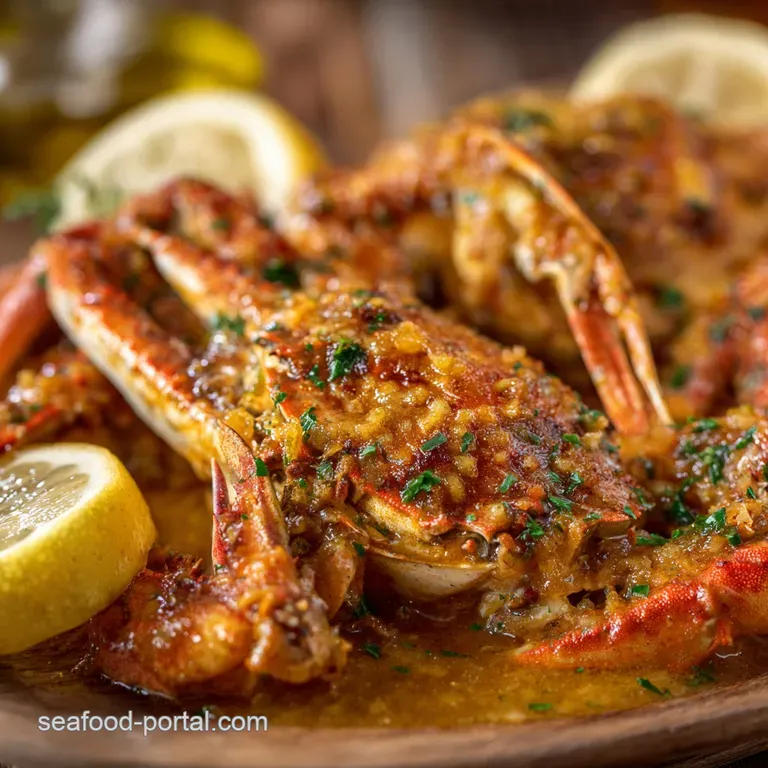
- The Coastal Crush: Unlocking the Ultimate Seafood Boil Experience
- The Science of Sizzle: Why Our Sauce Hits Differently
- Essential Components for Signature Coastal Crab Sauce
- Mastering the Technique: Your Liquid Gold Preparation Guide
- Troubleshooting the Boil: Expert Tips for Perfect Sauce Texture
- Preparing Ahead and Preserving the Coastal Crush
- Elevating the Feast: Beyond the Crab Claw
- Recipe FAQs
- 📝 Recipe Card
The Coastal Crush: Unlocking the Ultimate Seafood Boil Experience
This sauce is liquid gold, seriously. When that mountain of butter hits the garlic and the Old Bay starts blooming, your kitchen transforms entirely, smelling exactly like a vibrant seaside shack even if you live 1,000 miles from the nearest coastline.
It’s thick, gloriously glossy, fiery red, and utterly, totally addictive once it coats those crab legs. You know that overwhelming, deeply complex aroma when you first dive into a boil bag? We are recreating that right here.
We all love the restaurant experience, but let's be honest, the price tag for a generous boil night is brutal. This homemade Boiling Crab Sauce my "Coastal Crush" saves your wallet and is so deceptively easy to whip up; it's honestly ready faster than getting takeout.
This is the ultimate, non-negotiable flavor boost for any sad, plain boiled piece of seafood you might be serving tonight.
I’ve made every possible mistake over the years scorched the garlic, separated the butter, and somehow used half the spice rack wrong so trust me when I say this is the perfected copycat method. We are bypassing the guesswork and going straight to the flavor finish line.
Let’s stop talking and start melting butter.
The Science of Sizzle: Why Our Sauce Hits Differently
What Makes This Sauce 'The Coastal Crush'?
The secret to a great Boiling Crab Sauce is balancing overwhelming richness with necessary sharpness. We use an absurd amount of butter, yes, but we cut through that heavy fat with massive doses of fresh garlic and lemon/lime juice.
The Coastal Crush relies on layers of flavor: smoke from the paprika, earthy depth from the Cajun seasoning, and the distinct maritime signature of Old Bay.
Historical Roots of the Buttery Seafood Sauce Trend
This style of sauce is a beautiful, modern culinary hybrid. While traditional Louisiana boils focus on simmering whole spices with the seafood, this butter forward approach popularized by West Coast chains takes direct inspiration from both the classic Southern boil and the heavily aromatic, garlic infused cooking styles of Southeast Asia.
It’s an American mash-up that works brilliantly.
Is This the Best Copycat Boiling Crab Sauce Recipe?
Honestly, I think so, because it focuses on the technique that delivers high impact flavor, not just the ingredient list. Many recipes skimp on the garlic or skip the essential blooming step, resulting in a thin, watery mess.
We are aiming for that glorious, slightly fudgy, clinging consistency that wraps every crevice of your crab leg.
Balancing Acid (Citrus) and Fat (Butter) for Maximum Coating
The ratio here is crucial. The high fat content (nearly a pound of butter!) creates the body and the mouthfeel. However, without a strong hit of fresh citrus at the end, the sauce tastes heavy and one-dimensional.
The acidity of the lemon and lime juice lifts the entire dish, preventing the sauce from feeling greasy and making you want to go back for more.
Blooming Your Spices: The Key to Depth of Flavor
When you hit those dry spices with warm fat, magic happens in ninety seconds. This quick burst of warmth is called 'blooming,' and it totally transforms the flavor profile by unlocking the essential oils in ingredients like smoked paprika and cayenne pepper.
Skipping this step means your sauce will taste flat, seriously lacking that deep, complex spice punch. Never skip the bloom!
The Maillard Reaction in Butter Clarification
While we don't fully clarify the butter (we want some of those dairy solids for flavor!), we cook the shallots and garlic low and slow in the initial melted fat. This slight browning of the milk solids at the bottom of the pan a gentle Maillard reaction adds a nutty, savory undertone that gives the whole sauce depth.
This is why we start with low heat.
Essential Components for Signature Coastal Crab Sauce
Getting the right ingredients is half the battle. Here is what you need for the Buttery Spicy Boiling Crab Sauce, and how you can manage substitutions if your pantry is looking sparse.
The Butter Foundation: Clarified vs. Standard Ghee
We are using standard unsalted butter here because we want those milk solids for body and flavor, but we add a touch of neutral oil to prevent them from scorching immediately. If you want an even cleaner, richer flavor, substitute about 3/4 of the butter quantity with homemade or store-bought clarified butter (ghee).
You can also cut the sheer butter volume by using a higher ratio of stock, but you will sacrifice that characteristic texture.
| Ingredient | My Recommendation | Quick Swap |
|---|---|---|
| Unsalted Butter | high-quality European style | Ghee (Clarified Butter) + Neutral Oil blend |
| Fresh Garlic | Use only fresh, mince finely | Avoid jarred minced garlic (it burns faster) |
| Shallots | Finely diced | Very finely diced yellow onion |
| Stock | Seafood or low-sodium Chicken | Vegetable broth or water (less flavor depth) |
The Spice Payload: A Deep Dive into Cajun, Old Bay, and Chili Blends
This sauce is a study in spice synergy. Old Bay is non-negotiable; its specific blend of celery salt, mustard, and paprika gives that classic seafood vibe. Cajun or Creole seasoning adds earthy, southern heat. Then we use smoked paprika for color and depth and plain cayenne for pure, controllable fire.
Always taste your seasoning blends first. They vary wildly in salt content, which affects how much salt you add at the end.
Scaling the Heat: Customizing Your Capsaicin Kick
I list 1 3 teaspoons of cayenne because heat tolerance is personal. If you prefer a milder sauce, start with 1 teaspoon and taste before increasing. For extreme heat, swap half the cayenne for a fruity, fiery pepper like Habanero, finely minced, added right at the blooming stage.
Sourcing the Freshest Aromatics (Garlic and Shallots)
You need fresh aromatics for this. Seriously. We are using an entire cup of minced garlic, which sounds insane, but trust me, it’s what gives the sauce its signature "garlic bomb" intensity. Do not use jarred minced garlic; it often contains preservatives and has a dull flavor that simply won't shine here.
Chef’s Note: My first few batches tasted stale because I tried to cheat with a huge bottle of pre-minced garlic. It lacked that powerful, pungent punch that makes the Coastal Crush famous. Take the extra five minutes and mince your own.
Mastering the Technique: Your Liquid Gold Preparation Guide
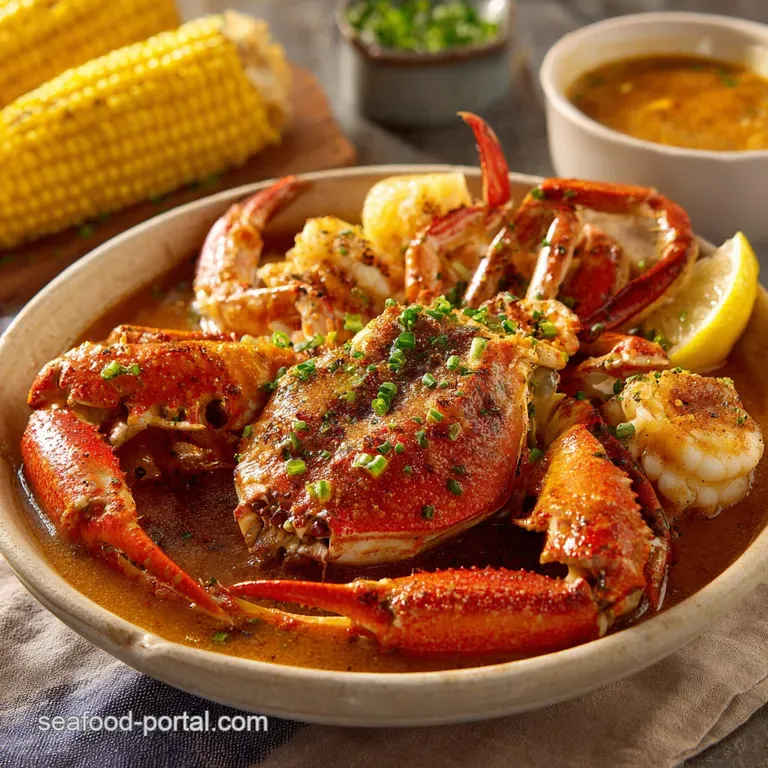
Phase One: Infusing the Fat Base with Garlic and Aromatics
First, we establish the foundation. Melt a small portion of the butter (1/4 cup) with the neutral oil over medium low heat in your heavy bottomed pot. Add the shallots and cook them gently until they are translucent and soft, about four minutes.
Then, stir in that massive pile of fresh minced garlic and grated ginger (if using). Cook this until intensely fragrant, which takes another 3– 5 minutes. CRITICAL WARNING: If the garlic browns even slightly, the flavor becomes bitter and the batch is ruined.
Move slowly here!
Phase Two: Building the Spice Slurry
Reduce the heat to its absolute lowest setting. Now, dump in the Old Bay, smoked paprika, Cajun seasoning, cayenne, brown sugar, and oregano. Stir vigorously for 60 to 90 seconds until the mixture thickens into a reddish, aromatic paste. You’ll see the spices ‘bloom’ and darken slightly.
This step is where the flavor compounds become soluble in the butter, creating intense depth.
Phase Three: The Final Emulsification and Simmer
Pour in your seafood stock and Worcestershire sauce, whisking immediately to incorporate the spice paste and deglaze the bottom of the pot. Next, add the remaining 3 cups of cubed butter. Stir constantly until the butter is fully melted and the sauce comes together into a beautiful, cohesive, homogenous emulsion.
Bring it to the barest simmer we are talking just a few tiny bubbles on the edge and cook for 5– 7 minutes to let those incredible flavors marry. Do not let it boil rapidly; we are nursing this sauce, not abusing it.
Achieving Optimal Viscosity Before Serving
Once it's done simmering, pull the pot off the heat. Stir in the fresh lemon and lime juices. The sauce should be thick enough to cling heavily to a spoon, but still liquid enough to pour smoothly. If it looks too thick, thin it with a tablespoon of hot water or stock at a time.
If it's too thin, simmer gently for another minute or two, stirring, until the butter tightens up a bit.
Troubleshooting the Boil: Expert Tips for Perfect Sauce Texture
Preventing the Butter from Breaking or Separating
The high fat content makes this sauce prone to breaking, which looks like greasy oil floating above a watery spice layer. The fix: If this happens, remove the pot completely from the heat. Whisk aggressively for 30 seconds.
If it doesn't come back together, whisk in a tablespoon of hot stock or hot water very quickly. This temperature shock often re-emulsifies the butter.
Avoiding Scorched Garlic and Burnt Spices
This is the most common mistake, and it is fatal to the sauce. The solution is heat control. Always use medium low heat for the initial sautéing.
If you notice the garlic starting to brown, pull the pan off the burner immediately and drop in a small cube of cold butter. This dramatically drops the pan temperature and buys you time.
Adjusting Consistency: Too Thick vs. Too Runny
If your sauce is too thick (usually because you simmered it too long), whisk in a bit more seafood stock or even hot water until it reaches that perfect, clinging texture. If it’s too runny, you may have added too much liquid initially, or the butter broke.
Try stirring vigorously off the heat; if that fails, put it back on the lowest possible heat and let it steam off excess water content for 3 minutes.
Preparing Ahead and Preserving the Coastal Crush
Refrigerating Leftover Sauce Safely
This sauce stores beautifully! Once completely cooled, transfer it to an airtight container. As it chills, the butter will solidify, and it will look like a chunky, spiced block of butter totally normal. It keeps safely in the refrigerator for up to 5 days. You can use any leftovers as a marvelous base for a bowl of Crab Soup: The Ultimate Creamy Seafood Bisque Recipe .
Can You Freeze Boiling Crab Sauce?
You bet. The high fat content makes freezing safe, but be warned: the texture will change significantly upon thawing. It will certainly separate. Freeze it in freezer safe containers for up to 3 months.
Best Practices for Reheating Without Separation
The key to reheating is slow and steady . Place the solidified sauce block in a small saucepan over the lowest heat setting possible . Add a tablespoon of water or stock. Stir continuously as it melts.
Once it’s fully liquid, whisk vigorously for 30 seconds to re-emulsify the ingredients before serving. Never reheat it in the microwave; rapid heating almost guarantees separation.
Elevating the Feast: Beyond the Crab Claw
This rich, spicy sauce is fantastic for more than just crab. Think bigger!
- Shrimp and Prawns: Toss hot, shell-on prawns or even mussels in this sauce right after steaming. It’s glorious.
- Vegetable Upgrade: Forget plain steaming. Toss boiled red potatoes, corn on the cob, or even roasted asparagus in the sauce for a side dish that steals the show.
- Grilling Finisher: Use a light brush of this sauce thinned slightly with extra lemon juice during the last few minutes of grilling shrimp or skewers. For other great options, check out these Bbq Seafood Sauces: Three Light, Tangy Glazes for Grilled Seafood .
- Soft Shell: A great, quick alternative is dipping crispy fried seafood, like my recipe for Soft Shell Crab Recipe: Crispy Fry-Up with Zesty Lemon Butter , into this warm, highly spiced butter sauce.
Recipe FAQs
Why did my buttery sauce separate or "break"?
A butter heavy sauce can break if cooked over heat that is too high, causing the fat and water components to split. If this happens, remove the pan from the heat immediately and whisk in a small amount of ice-cold water or an ice cube rapidly to help re-emulsify the mixture.
Always keep the sauce on a very low simmer when preparing.
Can I freeze the leftover Coastal Crush sauce?
Freezing is not recommended for this sauce due to its exceptionally high butter content; the emulsion will separate severely upon thawing, resulting in a grainy, oily texture. Store any leftovers in an airtight container in the refrigerator for up to 5 days.
When reheating, use very low heat and whisk constantly to encourage the fats to recombine smoothly.
How can I adjust the spice level without ruining the flavour?
If the sauce is too hot, balance the heat by incorporating a teaspoon of brown sugar or honey, or simply increasing the butter ratio slightly. To increase the spice, add cayenne pepper or chili flakes early in the cooking process, allowing the fats to bloom the spice for maximum heat extraction.
I don't have Old Bay Seasoning. What's a good alternative?
Old Bay provides a crucial aromatic profile (bay leaf, celery seed, mustard). You can create a suitable substitute by blending paprika, dry mustard powder, celery salt, black pepper, and a pinch of ground mace.
While the flavour won't be identical, this mixture provides the necessary complexity for a coastal style boil sauce.
How can I make this Boiling Crab Sauce dairy-free or vegan?
This sauce translates beautifully to a vegan version by substituting the regular butter with high-quality vegan butter sticks, which mimic the texture and fat content needed for the emulsion.
Ensure that any chicken or seafood bouillon used is swapped out for a vegetable based stock powder for a completely plant based sauce.
My sauce is too thick (or too thin). How do I fix the consistency?
If the sauce is too thin, simmer it gently without a lid for 5 10 minutes to allow some of the liquid to evaporate and reduce naturally. If it is too thick, incorporate 1 2 tablespoons of hot water or, ideally, a bit of the cooking liquid reserved from your seafood boil until the desired coating consistency is achieved.
When should the fresh lemon juice be added to the sauce?
For the best flavour, fresh lemon or lime juice should be stirred in right at the very end of the cooking process, just before tossing the seafood or serving. Adding acid too early and simmering it for an extended period can cause the sauce to develop a slightly bitter or metallic aftertaste.
Buttery Boiling Crab Sauce Recipe
Ingredients:
Instructions:
Nutrition Facts:
| Calories | 500 calories |
|---|---|
| Fat | 50 g |
| Fiber | 2 g |
