Butter Poached Lobster Made Easy: the Science of Succulence
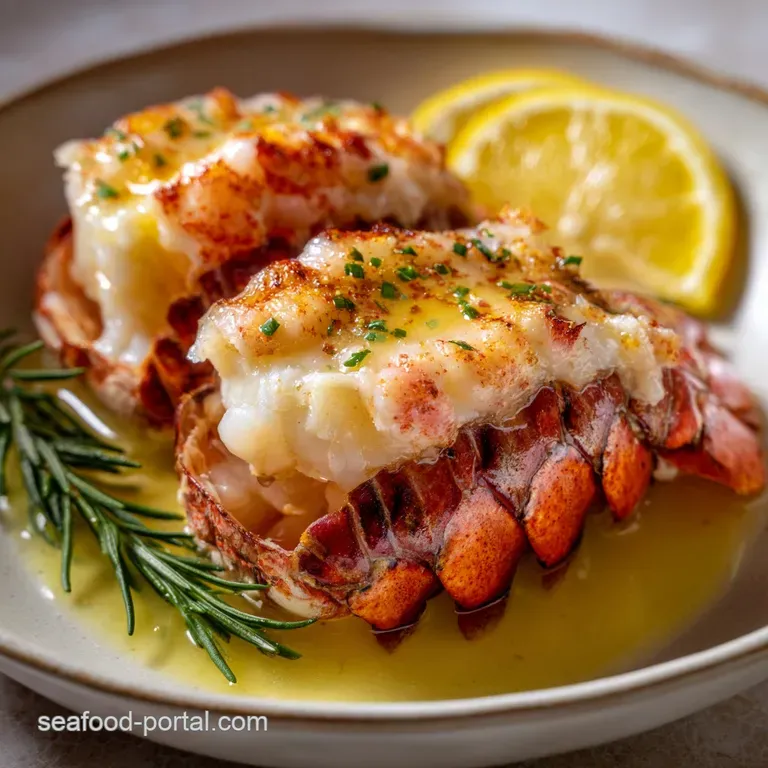
- Mastering Luxury: Your Guide to Butter Poached Lobster Made Easy
- Why Poaching in Beurre Monté Works: The Science of Succulence
- Essential Ingredients and Clever Substitutions for Butter Poached Lobster Made Easy
- How to Make Butter Poached Lobster Made Easy: Step-by-Step Guide
- Nutrition Information
- Troubleshooting and Expert Tips for Perfect Poached Lobster
- Storing and Reheating Leftover Poached Lobster
- Recipe FAQs
- 📝 Recipe Card
Mastering Luxury: Your Guide to Butter Poached Lobster Made Easy
That smell. It’s the scent of a hundred dollar steakhouse dinner mixed with the sweet, clean aroma of the sea. I’m talking about warm, velvety butter, bubbling gently around perfect white lobster tails.
For years, I avoided cooking lobster because I was terrified of turning that expensive meat into a chewy, rubbery disaster.
But trust me, we are ditching the massive boiling stockpots and the stressful guesswork. I’m going to show you the secret to creating truly luxurious, silky sweet seafood right in your own kitchen with my method for Butter Poached Lobster Made Easy .
This technique is so simple, you’ll be shocked that the pros try to keep it a secret.
This whole process, from prep to plate, takes only 15 minutes. If you’ve been looking for the ultimate date night recipe or just want to feel fancy on a Tuesday, this is it. Get ready for the best Poached Lobster Made Easy you’ve ever tasted.
Why Poaching in Beurre Monté Works: The Science of Succulence
You don't need fancy equipment to pull off this level of gourmet cooking, but you do need to understand one concept: low and slow. The reason this particular Butter Poached Lobster method is so revolutionary is the temperature control.
Understanding the Beurre Monté Emulsion
When we talk about poaching in butter, we aren't just melting it; we are creating a beurre monté , or "mounted butter." This is a stable emulsion of fat and water.
Think of it this way: pure butter is mostly fat, but it still has about 20% water and milk solids. If you just melt butter and cook seafood in it, the high heat causes the water to evaporate quickly, frying the milk solids and giving you brown, nutty butter (delicious for some things, but not for poaching).
By gently whisking in a little cold water or lemon juice, we stabilize the emulsion. This traps the moisture, lowering the overall temperature of the poaching liquid and keeping the milk solids suspended.
The Key to Tender Meat: Low and Slow Cooking
The sweet spot for cooking lobster and ensuring that the muscle fibers don’t seize up and contract (which causes rubberiness) is between 140°F and 160°F. When you cook your lobster in a stable beurre monté at this low temperature, the butter gently bathes the protein.
The fat acts as a perfect medium to transfer heat evenly without aggressive boiling. The result is unbelievably tender, melt-in-your mouth Butter Poached Lobster . No bounce, no chew just pure velvet. This is truly the key to Lobster Made Easy . ( 9/15)
Essential Ingredients and Clever Substitutions for Butter Poached Lobster Made Easy
This recipe shines because of the minimal ingredients. high-quality tails and high-quality butter are non-negotiable!
| Original Ingredient | Best Substitute | Scientific Function & Note |
|---|---|---|
| Unsalted Butter (1 lb) | high-quality Ghee (Clarified Butter) | Provides pure milk fat, eliminating water content for a cleaner emulsion base. Note: Reduces the slight ‘dairy’ flavor depth that whole butter provides, but is more stable. |
| Cold Water (¼ cup) | Ice Cubes + Lemon Juice (¼ cup total) | Essential for stabilizing the butter/fat emulsion (Beurre Monté). Note: Lemon juice adds acidity, which helps tenderize the protein slightly and brightens the overall flavor. |
| Fresh Lobster Tails (4 oz each) | Large Peeled, Cleaned Shrimp | Provides a similar delicate protein structure for fast poaching. Note: Shrinkage is greater, and the subtle oceanic sweetness is less intense. Adjust cook time down to 2- 3 minutes. |
| Fresh Thyme Sprigs | Bay Leaf (1) | Adds volatile essential oils that infuse into the fat, contributing aromatic depth. Note: Bay leaf is milder; use rosemary if you want a stronger, woodsy flavor profile, but use sparingly. |
Pro Tip: If you want another quick and decadently buttery shellfish recipe after trying this, you absolutely need to try my Easy Baked Shrimp with Garlic Butter: 10 Minute Dinner .
How to Make Butter Poached Lobster Made Easy: step-by-step Guide
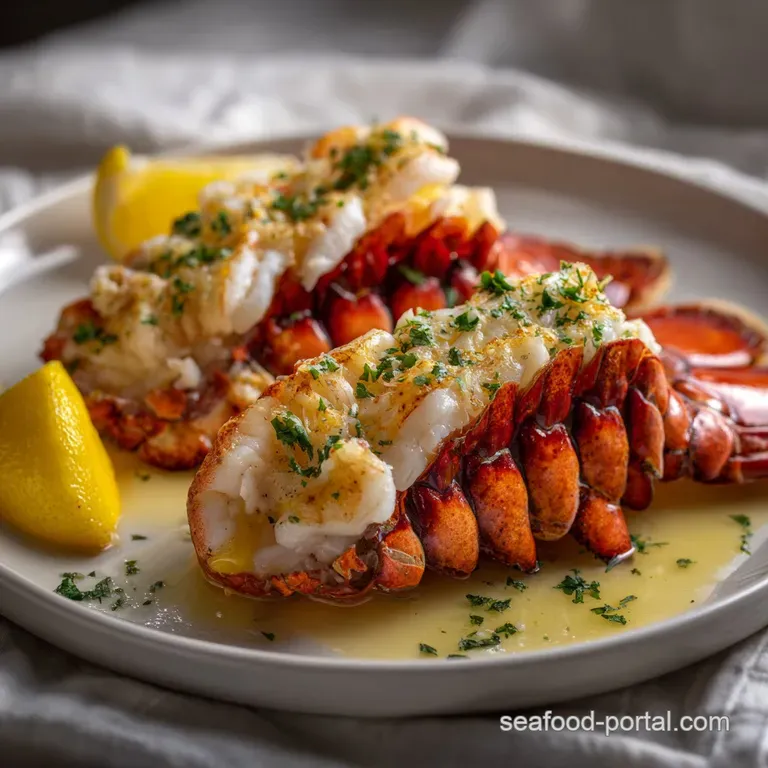
The actual cook time for this Butter Poached Lobster Made Easy recipe is shockingly fast about 5 minutes! The prep time is 10 minutes, mostly spent extracting the meat.
Yields: 4 servings Prep Time: 10 minutes Cook Time: 5 minutes Total Time: 15 minutes
Nutrition Information
| Nutrient | Amount |
|---|---|
| Calories | 470 kcal |
| Protein | 15.8 g |
| Fat | 44.8 g |
| Carbs | 0.03 g |
| Fiber | 0 g |
| Sugar | 0.03 g |
| Sodium | 310 mg |
Step 1: Prepare the Lobster Tails (The Shuck)
You need to get the meat mostly out of the shell before cooking. Flip the tail over and use sharp kitchen shears to cut down the center of the soft underside membrane.
Carefully pull the meat out, keeping it intact as much as possible, leaving only the very end attached to the tail fin (this helps keep its shape). Pat the meat dry completely.
Step 2: Build the Beurre Monté Base
In a medium, heavy bottomed saucepan, melt about 4 tablespoons of the butter over low heat. Add the cold water (or ice/lemon mixture) and whisk constantly until it is fully incorporated and the liquid looks creamy, not oily. This is your stable base.
Step 3: Poach the Lobster
Reduce the heat to the lowest possible setting. We need the temperature to stay between 140°F and 160°F. Add the remaining cold butter, cube by cube, whisking each one in until fully melted and creamy before adding the next.
Once the butter is a thick, beautiful liquid not sizzling or smoking add your aromatics (thyme, salt, pepper).
Gently place the raw, dry lobster meat into the warm butter bath. They should be completely submerged. Maintain that low temperature if you see any rapid bubbling, pull the pot off the heat instantly!
Step 4: Cook Until Opaque
Poach the Butter Poached Lobster tails for about 4– 6 minutes, depending on thickness. Gently turn them halfway through. The meat is done when it is opaque white and firm to the touch. The internal temperature should register 140°F 145°F.
Step 5: Serve Immediately
Remove the Poached Lobster Made Easy from the butter bath, slice, and plate. Drizzle the velvety poaching butter liberally over the meat before serving. We always pair this decadent main with something light, like grilled asparagus or my quick mashed sweet potatoes. ( 10/15)
Troubleshooting and Expert Tips for Perfect Poached Lobster
The biggest key to success with this recipe is heat management. Too high, and you ruin the texture and break the emulsion. Here’s what I learned the hard way so you don't have to:
| Common Blunder | Root Cause | The Rescue |
|---|---|---|
| Lobster is Rubbery/Tough | Poaching liquid temperature was too high (above 170°F) or meat was cooked too long. | Sadly, once the protein seizes, it’s hard to reverse. Remove the lobster immediately. Chill the meat and slice thinly for a cold lobster salad or use in a bisque. |
| Butter Breaks/Separates | Adding cold water/butter too quickly, or overheating the butter base (it looks oily/greasy). | Remove the pot from heat. Whisk in 1 2 tablespoons of ice-cold water vigorously. The cold shock should help the emulsion reconnect. |
| Meat is Bland | Not seasoning the butter adequately, or using low-quality butter. | Always use good, cultured butter. To fix bland meat, remove the lobster and reduce the remaining butter until slightly thickened, concentrating the flavor before drizzling. |
Expert Tip: If you want to impress your guests even more, consider shucking and poaching the meat, then setting it back into the cleaned out shell. Serve this classic Butter Poached Lobster presentation with a side of perfectly cooked fish, like my Perfect Sea Bass Sous Vide Every Time: Miso Butter .
Storing and Reheating Leftover Poached Lobster
Lobster is best eaten immediately, but if you miraculously have leftovers, here’s how to handle them. ( 11/15)
Safe Refrigeration and Shelf Life
Store any leftover Butter Poached Lobster (and the poaching butter!) in an airtight container in the refrigerator for up to 3 days.
Can You Freeze Butter Poached Lobster?
I strongly advise against freezing cooked lobster meat. The texture degrades significantly once frozen and thawed, becoming waterlogged and mushy. This ruins the beautiful velvety quality we worked so hard to achieve with the Poached Lobster Made Easy method. ( 12/15)
Best Way to Reheat Without Drying Out
Never microwave it! The best way to reheat is to gently warm the reserved poaching butter in a saucepan over the lowest heat setting (about 140°F). Add the lobster meat back into the warm butter and let it sit for 2– 3 minutes until heated through.
This ensures the moisture is retained.
Creative Uses for the Remaining Butter
Do NOT throw out that amazing butter bath! It is liquid gold. Strain the herbs, and use the remaining butter to finish grilled steaks, dip crusty bread, or use it to sauté vegetables. For another amazing use of flavored butter in seafood, check out my recipe for Easy Smoked Shrimp Recipe with Bold Flavor in 30 Mins . ( 13/15)
I hope this guide helps you realize that making truly decadent Butter Poached Lobster Made Easy is fully achievable in your home kitchen. ( 14/15) Enjoy this incredibly tender and flavorful lobster dish! ( 15/15)
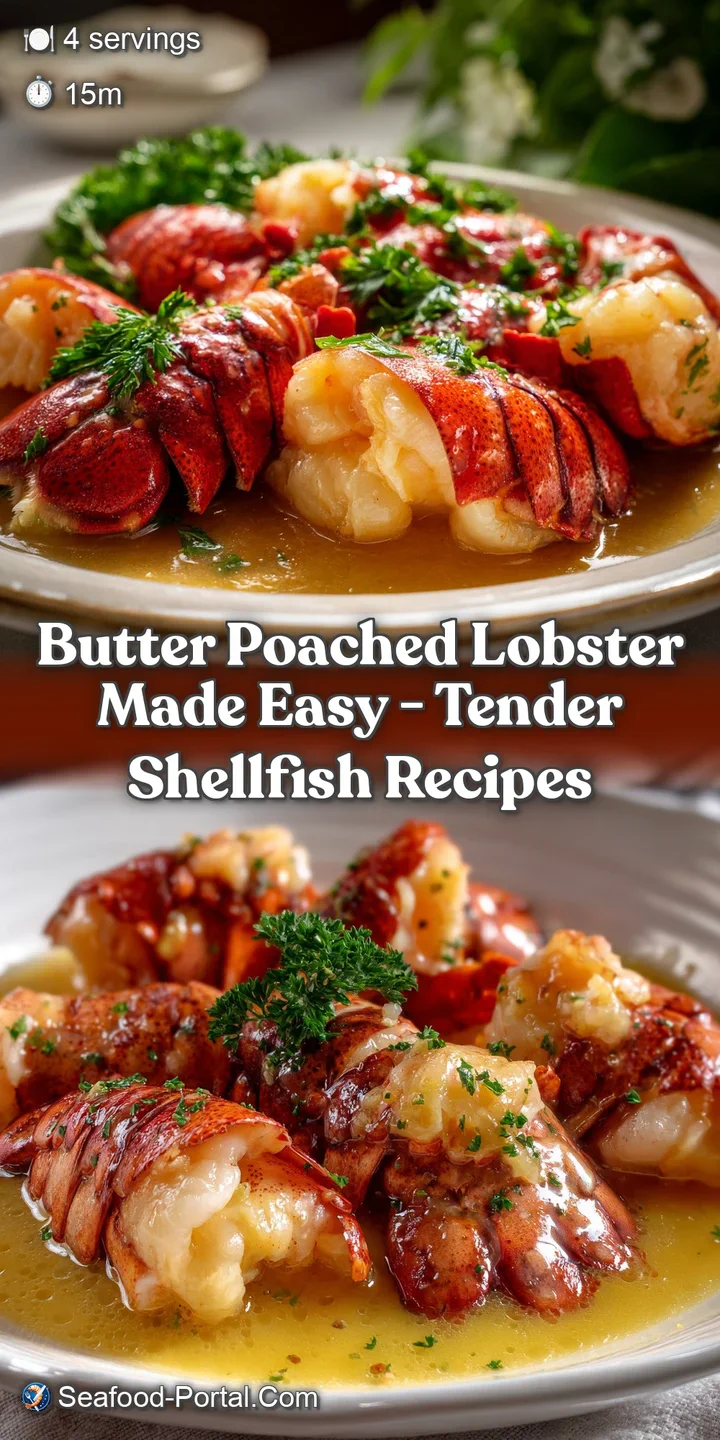
Recipe FAQs
Why is butter poaching considered superior to boiling lobster?
Yes, butter poaching is generally superior because it prevents the meat from becoming chewy or rubbery. The gentle, consistent low temperature of the melted butter cooks the protein slowly, resulting in a velvety, moist texture that boiling water often destroys.
Can I use frozen lobster tails for this butter poaching method?
Yes, you absolutely can use frozen tails, but they must be fully thawed first. Thawing in the refrigerator overnight ensures they cook evenly; adding ice-cold tails directly to the butter will drastically lower the temperature and ruin the delicate poaching environment.
How do I know when the lobster meat is perfectly cooked?
The meat is done when it turns fully opaque white throughout, but before it starts to curl tightly into a "C" shape. If you see any translucent or slimy spots near the center, continue cooking for another minute, but overcooking is the main risk here.
What happens if my butter starts to brown during the poaching process?
No, you must immediately lower the heat if the butter starts browning, as this means it is approaching its smoke point and is no longer gently poaching. Browning butter develops strong nutty flavors which will overpower the delicate sweetness of the lobster, so keep the heat low enough for gentle simmering only.
Can I use oil instead of butter for this technique?
No, substituting oil defeats the purpose of this specific technique as butter imparts essential flavor and richness. For a different rich seafood preparation, you might enjoy experimenting with our Garlic Butter Mussels: 18-Min White Wine Parmesan recipe.
What is the best way to store leftover butter poached lobster meat?
Store the cooked lobster meat submerged in the reserved, strained poaching butter in an airtight container in the refrigerator for up to two days. This method locks in moisture; it’s excellent when flaked over pasta or enjoyed cold later.
I'm allergic to butter; what is a suitable fat substitute for poaching?
While challenging, you can use clarified butter (ghee) or high-quality avocado oil as a last resort, though the flavor profile will change significantly. If you are looking for flavorful, non-dairy seafood preparations, consider checking out our Easy Shrimp Primavera Recipe Healthy Summer Shrimp 35 Min.
Butter Poached Lobster Made Easy
Ingredients:
Instructions:
Nutrition Facts:
| Calories | 470 kcal |
|---|---|
| Protein | 15.8 g |
| Fat | 44.8 g |
| Carbs | 0.03 g |
| Fiber | 0 g |
| Sugar | 0.03 g |
| Sodium | 310 mg |
