Lobster Dishes: French Riviera Butter-Poached Perfection
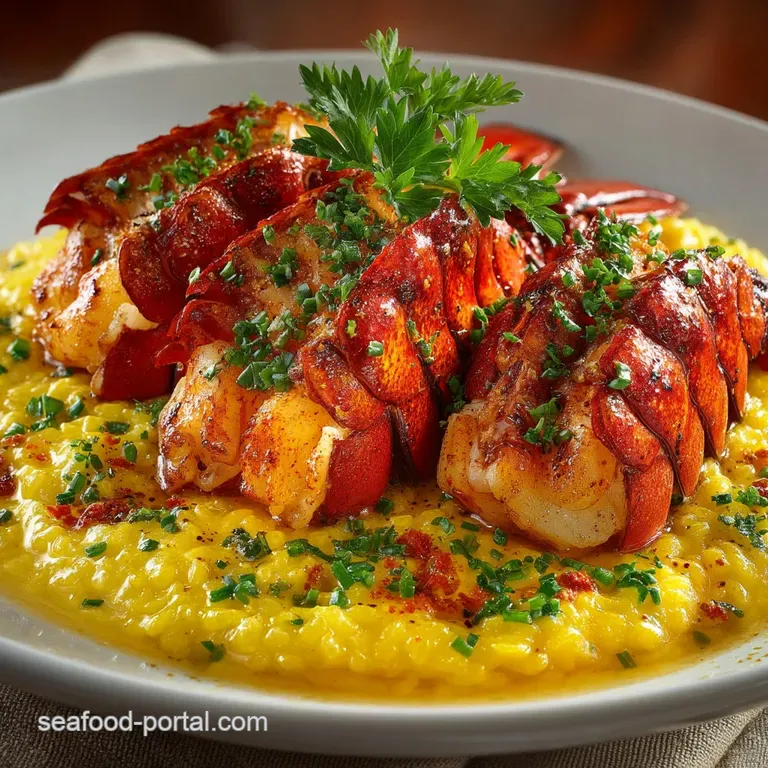
- The Ultimate Lobster Dish: Butter-Poached Luxury
- Flavor Science: Why Butter-Poaching Wins
- Essential Components for Your Riviera Rendezvous
- Mastering the Technique: Poaching and Risotto
- Perfecting Your Plate: Expert Tips and Troubleshooting
- Practical Guide: Storing Cooked Lobster and Risotto
- Elevating Your Meal: Wine and Plating Pairings
- Recipe FAQs
- 📝 Recipe Card
The Ultimate Lobster Dish: Butter Poached Luxury
When you peel back the shell of perfectly cooked lobster, the aroma alone tells the story of luxury. That gentle ocean sweetness mixed with rich, warm butter? Honestly, nothing compares.
I'm talking about meat so tender it’s almost custardy, melting on your tongue and leaving you wondering how something so simple can taste so outrageously special. If you want to impress someone or just enjoy the quiet brilliance of truly superior cooking this is the recipe you need.
It defines the absolute best of sophisticated Lobster Dishes .
I know what you're thinking: lobster is complicated, expensive, and stressful to cook properly. Wrong! This specific preparation, pairing butter poached tails with silky saffron risotto, is designed for flavor mastery without the typical high stress kitchen chaos.
It looks like a million bucks, but the technique is straightforward, forgiving (mostly!), and much faster than trying to bake or grill. We’re aiming for elegance, not effort, making this one of the most rewarding Lobster Dishes you can prepare at home.
So, forget everything you thought you knew about boiling or steaming that expensive tail. We are elevating this experience, drawing inspiration from classical French precision and Italian heart.
Grab your instant read thermometer and let's get down to the business of making one of the most incredible Lobster Dishes ever to grace your dinner table. Let’s crack on.
Flavor Science: Why Butter Poaching Wins
The difference between rubbery, slightly tough lobster and meat that is delicately perfect often comes down to one thing: temperature control. Boiling shocks the protein, contracting the muscle fibres quickly. Poaching, especially in emulsified butter, is gentle and insulating.
This is the secret to making truly exceptional Lobster Dishes .
What is Butter Poaching (Basting vs. Submersion)
This method, often called beurre monté , relies on creating a stable, opaque emulsion of water and butterfat that remains liquid and homogenous between 180°F and 190°F (82°C 88°C). This is key.
The fat acts as a gentle conductor of heat, cooking the delicate lobster meat evenly and slowly. We are completely submerging the lobster, unlike basting which only hits the surface. When you use this lower temperature environment, the connective tissue breaks down slowly without the muscle proteins seizing up.
That means maximum moisture retention and incomparable tenderness for these Lobster Dishes .
The Saffron Risotto Secret to Depth of Flavor
Why risotto and not just mashed potatoes? Risotto provides essential textural contrast and acid to balance the incredible richness of the butter poached lobster. The Arborio rice, cooked slowly, releases its starch, creating a creamy texture (the mantecatura ) that cradles the seafood perfectly. Plus, the saffron doesn't just add that incredible sunset yellow hue; it brings a complex, earthy, slightly metallic floral note that cuts through the fat beautifully. If you want to explore more creamy seafood options, our recipe for Lobster Stew: The Coastal Classic for Luxurious Home Cooking uses a similar philosophy of layering richness.
Expected Prep and Cook Times
Honestly, the only part of this that requires constant attention is the stirring of the rice. Everything else is structured and precise. Prep time is 25 minutes, mostly warming up the stock and getting your ingredients ready.
The cook time for the entire dish is around 40 minutes, meaning you can have this fine dining experience ready in about an hour. That’s faster than getting a decent delivery! For these refined Lobster Dishes , the time investment is worth every minute.
The Maillard Reaction vs. Low-Temp Cooking
When we think of searing steak, we chase the Maillard Reaction the browning that creates intense crust flavor. Here, we are actively avoiding that. The goal of butter poaching is not browning but purity. We want the meat to cook just until opaque, maintaining its natural sweet flavor and pearlescent colour.
The low temperature prevents the exterior from toughening while ensuring the interior reaches a safe and delicious doneness. This contrast is why butter poached preparations often top the list of gourmet Lobster Dishes .
Achieving Peak Tenderness in Lobster Tails
Tails are notoriously easy to overcook. My first attempt years ago resulted in rubber bands. I learned the hard way! The trick is not just the butter temperature but removing the tails just before they are fully opaque, around 135°F (57°C). They will continue cooking slightly as they rest.
This carryover cooking brings the internal temperature up to the perfect, tender 140°F (60°C). Don't walk away from the pot, even for a second, during those final minutes.
Layering Umami: Stock Reduction and Saffron Bloom
We build flavour in the risotto from the bottom up. First, toasting the rice releases nutty aromas. Then, deglazing with wine adds acidity and complexity. Finally, using hot, good quality stock (not water!) ensures that every grain of rice is absorbing savory depth.
The saffron is crucial; it must bloom gently in warm stock, not scorching hot, to release its colour and flavor optimally. This careful layering separates decent Lobster Dishes from truly exceptional ones.
Essential Components for Your Riviera Rendezvous
The quality of your ingredients dictates the quality of your experience. There is no masking bad technique or poor sourcing when the focus is purely on the sweet, delicate flavour of the lobster itself. This recipe demands the best, because we are making gourmet Lobster Dishes .
Selecting the Best Quality Lobster
If you can get fresh, live lobster, fantastic. If you’re using frozen tails (which is common and totally fine!), ensure they are completely thawed overnight in the fridge and pat them thoroughly dry before poaching. Water is the enemy of emulsion.
I prefer cold water species (like Maine or Canadian) because the meat tends to be firmer and sweeter due to the slower growth cycle. Never buy tails that look suspiciously yellow or are wrapped in freezer burn.
| Ingredient | Substitution Tip | Why it Works |
|---|---|---|
| Lobster Tail | Large Scallops or Prawns | They poach beautifully in the same butter mixture; adjust time (3- 4 mins max). |
| Arborio Rice | Carnaroli Rice | Slightly starchier and more forgiving than Arborio, if you can find it. |
| Shallot | Yellow Onion (use half) | Shallots are milder and sweeter, but a small amount of finely diced yellow onion works if needed. |
| Dry White Wine | Dry Vermouth or Stock + Lemon | Vermouth adds herbaceous notes. Stock maintains liquid, but you lose some acidity. |
| Parmesan | Grana Padano | A slightly cheaper, excellent quality hard Italian cheese substitute. |
Detailed Mise en Place Checklist
Mise en place (everything in its place) is non-negotiable for risotto and poaching. Trust me, running to grate the cheese when the rice is sticking is a nightmare. Make sure your butter is cubed and cold, your shallots are diced, your stock is simmering on a back burner, and your saffron is steeping.
Have your instant read thermometer right next to the poaching pot. This preparation ensures your Lobster Dishes come out perfectly timed.
Specific Notes on Arborio Rice and Stock
Arborio is key because of its high amylopectin (starch) content, which is what gives the risotto its famous creaminess. Don’t rinse the rice! Rinsing washes away the essential surface starch we need. For the stock, homemade is best, but a good quality, low-sodium commercial chicken or fish stock is fine.
Crucially, the stock must be hot. Adding cold liquid stalls the cooking process and prevents the even release of starch.
Substituting Clarified Butter (Ghee)
While traditional beurre monté requires starting with whole butter, if you find the emulsification process too stressful, you can use clarified butter (or ghee) for poaching. Ghee is pure butterfat and won't break.
However, you need to add a splash of water or stock to thin it out slightly, and you lose some of the natural milk solids which enhance the flavor and color of the coating. For beginners aiming for flawless Lobster Dishes , clarified butter offers a good safety net.
Mastering the Technique: Poaching and Risotto
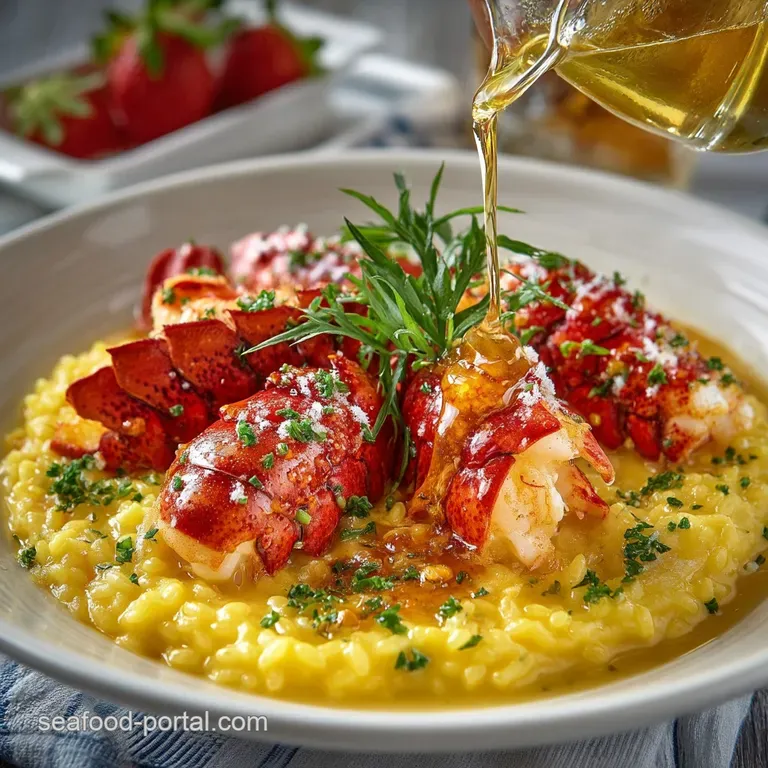
This entire meal is about timing. Start the risotto, then when the rice has absorbed its first third of stock, start the poaching butter. The two should finish within minutes of each other.
Preparing the Lobster Shells and Tail Meat
Grab your kitchen shears. Cut straight down the top centre of the hard shell. Don't go deep enough to slice the meat! Now, use your fingers to gently separate the meat from the shell, pulling it out cleanly as a single piece.
I sometimes reserve the shells to place the finished sliced meat back into for presentation it looks incredible. Make sure the extracted meat is bone dry.
Chef's Note: If you leave the lobster meat damp, the moisture will instantly cool and break your delicate butter emulsion. Pat it dry, even if you think it looks dry enough already.
The Crucial Steps for Emulsified Butter Poaching
- Start the Emulsion: In your small, deep saucepan, add the 2 Tbsp water and 1 Tbsp cubed cold butter. Melt this over medium low heat, whisking constantly until combined.
- Maintain Temperature: Reduce the heat to the lowest possible setting. Now, you’re incorporating the remaining cold butter one or two cubes at a time, whisking vigorously after each addition. The key is that the cold butter melts slowly into the existing liquid, creating a thick, opaque, light yellow sauce.
- Monitor: Use your thermometer! If the temperature dips below 180°F, increase the heat slightly, but if it goes over 190°F, remove it entirely from the heat and whisk in a tiny cold cube to bring it back down. This temperature window is mandatory for sublime Lobster Dishes .
- Poach: Gently slide the tails in. Poach for 5- 7 minutes, frequently spooning the butter over the top, until they are perfectly cooked.
Achieving the Perfect Al Dente Risotto Texture
This is the art of patience. You need friction and heat to release the starch. Add the hot stock one ladle at a time. Stir continuously (not furiously, but consistently). Only add the next ladle when the liquid you just added is almost completely absorbed and you can scrape the bottom of the pan to see the cooking surface briefly.
This 18 minute rhythmic stirring is essential for achieving the trademark creamy texture that holds up against the rich Lobster Dishes .
Integrating the Saffron for Vibrant Color
The saffron threads should be steeped early in a small amount of warm stock for at least 15 minutes. This allows the compounds responsible for color and flavor to release fully.
Add the infused liquid (threads and all!) into the risotto early, usually with the first or second ladle of stock, ensuring the vibrant golden hue is evenly distributed throughout the rice.
Perfecting Your Plate: Expert Tips and Troubleshooting
Even the best cooks occasionally face a challenge. Don’t panic! With pricey ingredients like lobster, it’s understandable to worry about ruining it. But armed with knowledge, you can fix common pitfalls and ensure your Lobster Dishes are flawless.
Dealing with Overcooked Lobster Meat
Okay, you checked the thermometer too late, and the meat is pushing 150°F (65°C). It’s not inedible, but it will be slightly chewier. Don’t try to save it by submerging it in ice water. That will just make it tougher.
Instead, slice it thinly against the grain, which helps break up the muscle fibres, making it feel less tough in the mouth. Then, generously bathe the slices in the reserved, strained poaching butter.
This adds maximum moisture back in, preserving the rich flavor of your expensive Lobster Dishes .
Preventing Sticky or Gummy Risotto
Gummy risotto usually means one of two things: You added too much stock too fast, or you didn't stir enough during the tostatura (toasting the rice). To fix a gummy batch at the end, immediately remove it from the heat.
Try adding a little extra warm stock or wine and stirring vigorously off the heat during the final mantecatura stage. This aeration helps separate the grains and release that sticky overcooked consistency, bringing back that beautiful, waves-on-the-shore texture perfect for pairing with delicate Lobster Dishes .
Reheating Butter Poached Seafood Safely
This is a tricky one. Seafood is delicate. If you reheat the lobster in a microwave, it becomes tough and dry instantly. The best method for reheating butter poached lobster is to gently place the slices back into the strained, liquid poaching butter (or fresh melted butter) in a saucepan over the very lowest heat possible even lower than the original poaching temp just until warmed through, about 90 seconds.
You want to avoid cooking it further.
Practical Guide: Storing Cooked Lobster and Risotto
I highly recommend eating these Lobster Dishes immediately, but sometimes you have glorious leftovers. Storage requires care, especially since we are dealing with high fat, high starch ingredients.
Short Term Refrigeration Guidelines
Cooked lobster and risotto should be cooled quickly and transferred to separate airtight containers within two hours of cooking. They can be safely stored in the refrigerator for up to 3 days. Make sure to keep the lobster slices separate from the risotto.
The starch in the risotto will continue to firm up and absorb liquid as it chills, which is normal.
Freezing Limitations for Creamy Risotto
Can you freeze the risotto? Technically, yes, but I advise against it. Freezing and thawing creamy, dairy laden rice dishes fundamentally changes the texture. The freezing process bursts the starch granules and separates the dairy fat, resulting in a grainy, watery, and often mushy texture upon reheating.
If you must freeze, reheat very slowly, adding extra stock and cheese during the final stages to attempt to restore some creaminess. Save your best saffron Lobster Dishes for fresh eating.
Best Practices for Reheating Leftovers
To reheat the risotto: Place the portion in a saucepan with a tablespoon or two of hot stock or water. Reheat over low heat, stirring continuously until warmed through. You will need to add a small knob of cold butter and a tiny bit of Parmesan right at the end to re-emulsify the mixture and return some life to it. Reheat the lobster separately as detailed above. This two-part approach ensures the highest quality leftover Lobster Dishes . If you prefer a completely different style of leftover preparation, try using the chilled lobster meat for a quick Maine Lobster Roll: Authentic Chilled Recipe (Ready in 60 Minutes) the next day!
Elevating Your Meal: Wine and Plating Pairings
Plating is the final touch! Since this is a showstopper, presentation matters. Use warm, shallow bowls to present the risotto. Create a smooth circle of the golden rice, top it with the beautifully sliced, pearlescent lobster tails arranged in a fan shape, and drizzle a tiny bit of the poaching butter (strained!) over the lobster.
Garnish with tiny snipped chives. The vibrant yellow of the saffron risotto, the red and white of the lobster, and the richness of the butter make for perfect Lobster Dishes .
Serving Suggestions for Maximum Impact
For a wine pairing, look for high acidity and minerality to combat the butterfat. A crisp, unoaked Chardonnay, Sancerre, or a dry Italian Vermentino are stellar choices. If you’re feeling extra festive, a high-quality Brut Champagne is divine.
Remember, these are elegant Lobster Dishes —the drink should match the mood. Enjoy every luxurious bite. This recipe for Lobster Dishes is truly unforgettable.

Recipe FAQs
Why is my butter poached lobster tough or rubbery?
Tough lobster is caused by overcooking, which happens when the internal temperature exceeds 140°F (60°C). When butter poaching, you must rigorously maintain the liquid temperature strictly between 170°F and 180°F (77°C 82°C) using a kitchen thermometer.
The goal is to remove the lobster meat when its internal temperature reaches only 135°F (57°C), allowing for perfect tenderness without seizing the proteins.
My saffron risotto is too sticky or dry. How do I achieve the proper creamy consistency (all’onda)?
Risotto requires constant, gentle attention; its consistency depends on constant stirring and proper liquid absorption throughout the process. If it is too sticky, it likely needs more warm broth, while insufficient stirring prevents the starch from releasing properly.
If the risotto seems dry or stiff, add a final splash of hot broth and stir vigorously off the heat until it reaches a flowing, wave like consistency known as all'onda, just before adding the butter and cheese.
Can I use frozen lobster tails instead of fresh ones for poaching?
Yes, but fresh is always preferred for optimal flavor and texture. If using frozen tails, ensure they are fully thawed overnight in the refrigerator to promote even cooking before you begin the poaching process.
You may also need to slightly reduce the overall cooking time, as previously frozen meat tends to cook faster than fresh.
What is the benefit of butter poaching over simple boiling or steaming?
Butter poaching, or mantequilla, uses low, consistent heat (170°F to 180°F) to gently cook the lobster meat. This technique prevents the tightening of muscle fibers that occurs in boiling, rendering the meat incredibly silky and tender.
The infused butter also penetrates the meat, adding a depth of richness and flavor that simple boiling cannot achieve.
Can I substitute the saffron in the risotto if I don't have any?
Saffron provides a unique, slightly floral flavor and an intense golden yellow color that is difficult to replicate entirely. For color purposes alone, a tiny pinch of turmeric or annatto seed powder can be used.
However, if you are looking for a flavorful substitute that changes the profile, consider adding a hint of dried fennel or substituting with mild, smoked paprika for an earthy depth.
How should I store leftover butter poached lobster and the saffron risotto?
Leftover butter poached lobster should be stored immediately in an airtight container and refrigerated, where it will remain safe to eat for up to two days. Risotto is best consumed fresh, but leftovers should also be chilled promptly.
To reheat the lobster, warm it very briefly in melted butter over the lowest heat possible to prevent it from becoming rubbery; the risotto should be reheated with a splash of hot stock and stirred vigorously.
Can I prepare the saffron risotto ahead of time to save time?
While risotto is traditionally served immediately, you can par-cook it up to 75% done (the rice should still have a distinct bite) and quickly chill it on a sheet pan to halt the cooking process.
When ready to serve, transfer the rice back to a pan, finish cooking with the remaining hot stock, and then proceed with the final mantecatura (adding butter and cheese).
Butter Poached Lobster Dishes
Ingredients:
Instructions:
Nutrition Facts:
| Calories | 1709 kcal |
|---|---|
| Protein | 72.5 g |
| Fat | 134.8 g |
| Carbs | 53.2 g |
