Butter Poached Lobster: Tender and Rich
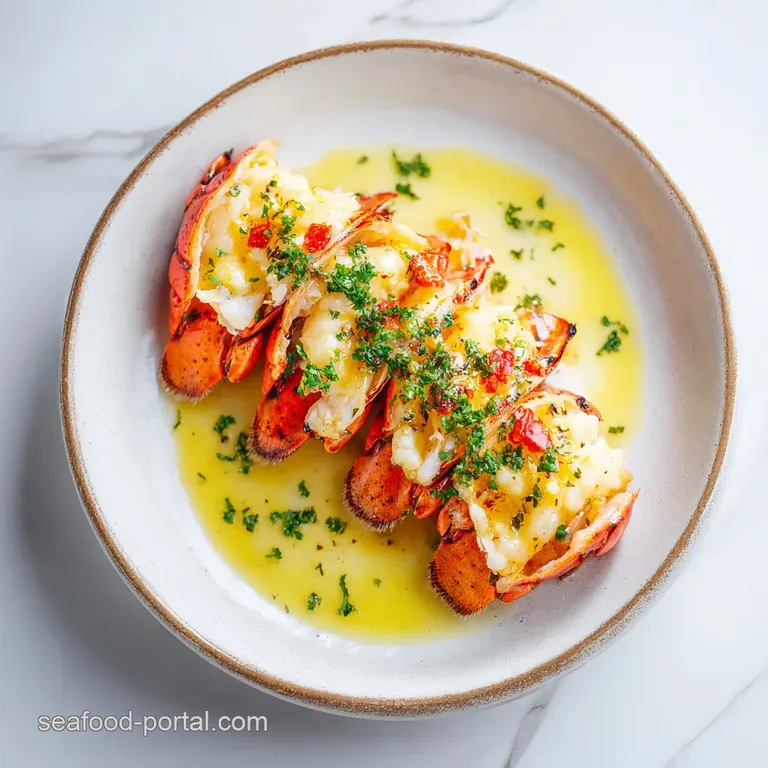
- Time: Active 20 minutes, Passive 15 minutes, Total 35 minutes
- Flavor/Texture Hook: Velvety, rich, and pearly white meat
- Perfect for: Anniversary dinners or impressive holiday entertaining
- Why Temperature Control Perfects Butter Poached Lobster
- Essential Specs for This Poached Lobster Recipe
- Selecting the Best Ingredients for Success
- Essential Tools for This Lobster Recipe
- How to Cook the Ultimate Butter Poached Lobster
- Avoiding Common Poaching Mistakes at Home
- Creative Flavor Ideas for Butter Poached Lobster
- Storing and Reheating Your Poached Lobster
- What to Serve With Butter Poached Lobster
- Recipe FAQs
- 📝 Recipe Card
Why Temperature Control Perfects Butter Poached Lobster
The first time I tried making this at home, I basically just boiled the lobster tails in melted butter. It was a greasy, rubbery mess that cost me forty dollars in ingredients. I felt so defeated until I realized that professional chefs don't just melt butter, they create something called a Beurre Monté.
This is essentially a way to keep the butter in its creamy, whole state rather than letting it separate into oil and solids. When you see that silky, opaque pool of liquid in a pan, you know you're doing it right.
This method is all about the "gentle bath" approach. Instead of the aggressive heat of a grill or a pot of boiling water, we're surrounding the delicate lobster proteins with a constant, low temperature. It's the difference between a relaxing soak and a frantic sprint.
You'll notice the meat doesn't "snap" back like a rubber band when you bite into it. Instead, it almost melts. It’s the kind of texture that makes you put your fork down and just appreciate the moment.
If you've ever felt intimidated by high end seafood, trust me, this is actually one of the most forgiving ways to cook it once you understand the heat management. We aren't looking for a sizzle or a sear here. We want a quiet, steady warmth that coaxes the lobster into a state of pure luxury.
The Logic of the Butter Bath
Protein Protection: The butter emulsion acts as a thermal buffer, preventing the lobster proteins from tightening too quickly and becoming tough.
Flavor Infusion: By keeping the butter whole, the milk solids act as a vehicle for the tarragon and lemon, coating the meat in a rich layer of fat.
Moisture Retention: Since the poaching liquid is fat based rather than water based, the lobster doesn't lose its natural juices to the surrounding liquid.
| Lobster Thickness | Internal Temp | Rest Time | Visual Cue |
|---|---|---|---|
| Small (4-5 oz) | 135°F | 2 minutes | Opaque and pearly white |
| Medium (6-8 oz) | 135°F | 3 minutes | Firm but gives to pressure |
| Large (10+ oz) | 135°F | 4 minutes | Meat is solid white throughout |
Using a thermometer is the only way to be 100% sure, especially with an expensive ingredient like this. You want to pull the lobster out exactly when it hits that 135°F mark because it will continue to cook slightly even after you take it out of the butter.
Essential Specs for This Poached Lobster Recipe
When you're preparing this, keep in mind that the quality of your butter is just as important as the lobster itself. I always reach for the European style blocks because they have a higher fat content and less water. This makes the emulsion much more stable and less likely to break on you mid cook.
It's one of those little details that really separates a home cooked meal from a restaurant quality experience.
| Component | Role in Dish | Pro Secret |
|---|---|---|
| Chilled Butter | Base Emulsion | Cold cubes prevent the sauce from separating into oil. |
| White Wine | Flavor Foundation | The acidity cuts through the heavy fat for a balanced bite. |
| Tarragon | Aromatic Lift | Adds a subtle anise note that complements the sweet meat. |
If you find yourself with extra lobster tails in the freezer, you can actually adapt this technique easily. For those times, you might want to see how to cook poached frozen tails to get the timing just right, as frozen seafood behaves a little differently when it hits the heat.
Selecting the Best Ingredients for Success
Selecting your lobster is where the dish truly begins. I always recommend cold water lobster tails if you can find them. They tend to have a much sweeter, firmer meat compared to their warm water cousins. You can usually tell the difference by the shell.
Cold water tails have a smoother, darker shell, while warm water ones often have spots and a bit more of a rough texture. It is a small detail, but for a dish where the lobster is the star, it makes a world of difference.
For the butter, don't even think about using margarine or low-fat substitutes. We need the real deal here. Unsalted is best so you can control the seasoning yourself. Since we're using a whole pound of the stuff, you'll definitely taste the difference between a store brand and a high-quality cultured butter.
| Original Ingredient | Substitute | Why It Works |
|---|---|---|
| Dry White Wine | Water or Chicken Stock | Water provides the liquid base for the emulsion without adding flavor. |
| Fresh Tarragon | Fresh Chives or Parsley | These provide a bright, herbal finish without the licorice notes of tarragon. |
| European Butter | Standard Unsalted Butter | It works, but has more water, so the sauce may be slightly thinner. |
The lemon juice might seem like a small addition, but it's the bridge between the rich fat and the sweet seafood. Without it, the dish can feel a bit one note. That tiny bit of acidity wakes up the palate and makes you want to go back for a second and third bite.
Essential Tools for This Lobster Recipe
You don't need a kitchen full of gadgets, but a few specific items will make your life much easier. A heavy bottomed saucepan is non negotiable. Thinner pans have hot spots that can cause your butter to break or even burn, and once that happens, there's no saving it.
I usually use a 2 quart stainless steel pot which is just the right size to keep the tails submerged without needing two pounds of butter.
Kitchen shears are another must have. Trying to get lobster meat out of the shell with a knife is a recipe for a trip to the emergency room. A good pair of shears lets you zip right down the back of the shell so you can peel it away with minimal effort.
It keeps the meat intact, which is exactly what we want for a beautiful presentation.
If you are a fan of classic French preparations, you might notice similarities between this and a Classic Lobster Thermidor, which also relies on high-quality seafood and precise heat. Both dishes demand respect for the ingredients, though this poaching method is arguably the "purist" way to eat lobster.
How to Cook the Ultimate Butter Poached Lobster
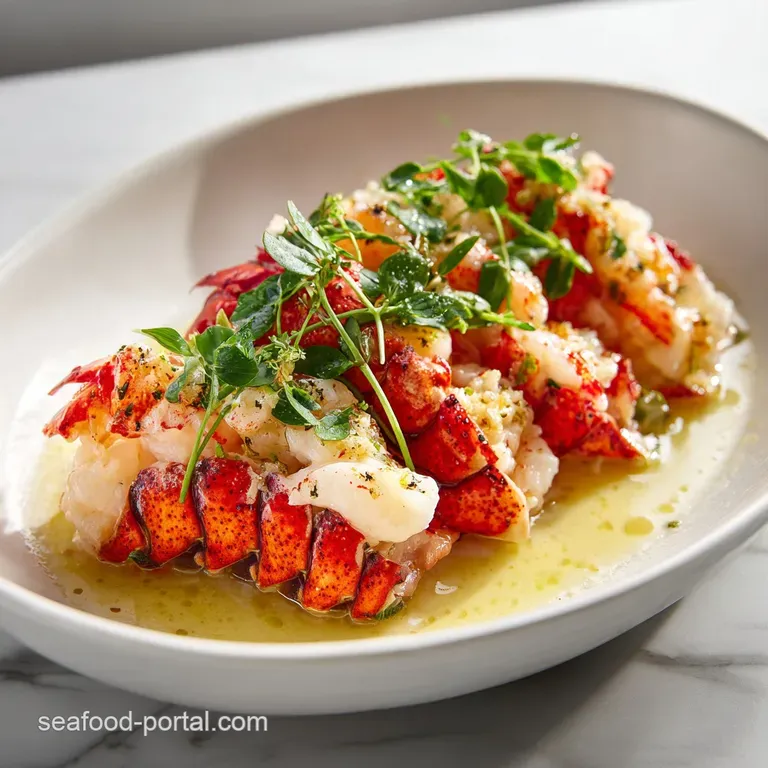
The process is rhythmic once you get started. You'll begin by parboiling the tails. This isn't meant to cook them through, just to firm up the outer layer so the meat releases from the shell easily. If you skip this, you’ll likely end up tearing the meat into shreds while trying to peel it.
- Parboil the lobster: Bring 2 liters of water and 1 tbsp sea salt to a rolling boil. Drop the tails in for exactly 2 minutes. Note: This coagulates the proteins just enough to prevent the meat from sticking to the shell.
- Shock in ice: Immediately move the tails to an ice bath. Until they are cool to the touch, leave them submerged.
- Remove the meat: Use shears to cut the top shell. Peel it back and carefully pull the meat out in one piece.
- Prepare the base: In your heavy saucepan over medium low heat, bring 2 tbsp of wine to a simmer. Note: The wine provides the initial liquid needed to start the emulsion.
- Build the emulsion: Reduce heat to low. Whisk in one chilled butter cube at a time. Until the liquid is opaque and creamy, keep whisking constantly.
- Season the bath: Stir in the lemon juice, tarragon sprig, and a pinch of salt.
- Submerge the lobster: Place the meat into the butter. Until the internal temperature reaches 135°F, poach gently for 5 to 7 minutes.
- Monitor the heat: Keep the butter between 130°F and 135°F. Until the meat looks pearly white and firm, do not let it boil.
- Remove and serve: Use a slotted spoon to lift the lobster out.
- Rest and plate: Let it sit for 2 minutes before serving to allow the juices to settle.
Watching the butter transform from solid blocks into a thick, pale yellow velvet is genuinely satisfying. If the heat gets too high, you'll see clear oil starting to form on the edges. If that happens, pull the pan off the heat immediately and whisk in a teaspoon of cold water to bring it back together.
Avoiding Common Poaching Mistakes at Home
The biggest heartbreak in this recipe is a "broken" sauce. This happens when the butter separates into fat and water. Usually, it's because the heat was too high or the butter was added too quickly. It still tastes okay, but it loses that luxurious mouthfeel and won't coat the lobster properly.
If you see the sauce getting greasy, it's a sign to slow down.
Another common issue is overcooking the lobster. Even 30 seconds too long can take it from "melt in-your mouth" to "hard to chew." This is why that digital thermometer is your best friend. Don't guess. The color of the shell or the meat can be deceiving, but the temperature never lies.
Why Your Sauce Turned Oily
If the emulsion breaks, the fat and water have separated. This is usually caused by the heat exceeding 145°F, which causes the milk solids to lose their grip on the fat molecules.
| Problem | Root Cause | Solution |
|---|---|---|
| Butter is transparent/oily | Temperature was too high | Remove from heat and whisk in 1 tsp of cold water. |
| Lobster is tough | Internal temp exceeded 145°F | Reduce poaching time and use a thermometer next time. |
| Meat sticks to shell | Missed the parboiling step | Next time, ensure a full 2 minutes in boiling water first. |
- ✓ Always use cold butter straight from the fridge for the emulsion.
- ✓ Maintain a low, steady heat; never let the butter bubble or simmer.
- ✓ Pat the lobster meat dry before putting it into the butter bath.
- ✓ Use a small enough pot so the lobster is fully submerged.
- ✓ Don't skip the ice bath after parboiling; it stops the cooking instantly.
Creative Flavor Ideas for Butter Poached Lobster
While the tarragon and lemon version is a total classic, you can definitely play around with the aromatics in the butter bath. I sometimes swap the tarragon for fresh dill and add a smashed garlic clove for a more robust, savory profile.
It changes the vibe of the dish completely, making it feel a bit more rustic and less "white tablecloth French."
If you want to go in a completely different direction, try adding a half teaspoon of smoked paprika and a pinch of cayenne to the butter. This creates a "low country" style poached lobster that is incredible when served over creamy grits.
The sweetness of the lobster plays beautifully against the smoky heat of the spices.
Adjusting for Different Cooking Methods
While I swear by the stovetop for this, some people prefer using a slow cooker or the oven. Both have their trade offs.
| Method | Time | Texture | Best For |
|---|---|---|---|
| Stovetop | 15 minutes | Perfect control, silkiest finish | Most home cooks |
| Oven (200°F) | 25 minutes | Set it and forget it | Cooking large batches |
| Slow Cooker | 45 minutes | Very tender but lacks precision | Beginner cooks |
Storing and Reheating Your Poached Lobster
Honestly, I’d be surprised if you have leftovers. But if you do, the best way to store them is in a container completely submerged in the leftover poaching butter. This creates a seal that prevents the meat from drying out in the fridge. It will stay fresh for about 2 days.
When it comes to reheating, whatever you do, stay away from the microwave. It will turn your beautiful lobster into a rubber eraser in seconds. Instead, place the lobster and the butter back into a small saucepan over the lowest heat possible.
Slowly warm it up until the butter is liquid and the meat is just warmed through.
For zero waste, do not throw away those lobster shells or that leftover butter! The shells make the most incredible seafood stock for a future risotto or bisque. I usually throw the shells in a freezer bag and keep them until I have enough to fill a stockpot.
As for the butter, it’s now "lobster butter." It’s gold. Use it to sauté scallops, toss with pasta, or even just spread on a piece of sourdough toast the next morning.
What to Serve With Butter Poached Lobster
Since this dish is incredibly rich, I like to pair it with something that has a bit of "crunch" or a high level of acidity to balance the palate. A simple salad with a sharp champagne vinaigrette is often the best companion. It cuts through the butter and prepares your mouth for the next decadent bite of seafood.
If you want something more substantial, a light saffron risotto or some simple steamed asparagus works beautifully. You want side dishes that act as a supporting cast rather than trying to compete with the lobster. Crusty bread is also essential for mopping up every last drop of that liquid gold butter on your plate.
Selection Decisions for Your Meal
- If you want a light dinner, serve with a crisp green salad and dry Riesling.
- If you want a hearty meal, serve over garlic mashed potatoes with roasted leeks.
- If you want a French bistro feel, serve with thin cut frites and a lemon aioli.
The beauty of this dish is that it doesn't need much. When the lobster is cooked this perfectly, it really is the star of the show. Just remember to keep that heat low, keep your whisk moving, and enjoy the process. Cooking seafood this way is as much about the ritual as it is about the final result. You've got this!
Recipe FAQs
How do you butter poach lobster?
Parboil the tails in salted water for two minutes, transfer to an ice bath, and remove the meat. Slowly whisk chilled butter cubes into simmering wine or water to create a stable Beurre Monté, then gently cook the lobster in the emulsion for 5 to 7 minutes until the internal temperature reaches 135°F.
What does Gordon Ramsay poach his lobster in?
He uses a traditional Beurre Monté. This technique involves emulsifying cold, high-quality European style butter into a small amount of liquid, like white wine or water, to create a rich, silky poaching medium.
Is butter poached lobster good?
Yes, it is considered the gold standard for lobster preparation. The gentle poaching process keeps the meat incredibly tender and infuses it with the rich, luxurious flavor of the butter emulsion.
Is lobster ok for heart patients?
No, this is a common misconception regarding the dish as a whole. While lobster is a lean protein, the significant amount of butter used for poaching makes this a very high fat, high calorie indulgence that should be consumed in moderation.
How to keep the lobster meat from becoming rubbery?
Monitor your temperature strictly between 130°F and 135°F throughout the poaching process. If you enjoy mastering this kind of precise temperature control, see how we apply similar thermal management to our velvety lobster chowder to keep the seafood succulent.
Can I reheat leftover butter poached lobster?
Yes, but avoid the microwave at all costs. Reheat the lobster gently in a small saucepan over the lowest possible heat setting until just warmed through, ensuring it stays submerged in the residual butter to prevent it from drying out.
Is it true I must boil the lobster for a long time?
No, this is a common misconception. Boiling the lobster for too long will result in tough, chewy meat; our method uses a short two-minute parboil followed by a gentle, low-temperature poach to maintain the perfect texture.
Butter Poached Lobster 4
Ingredients:
Instructions:
Nutrition Facts:
| Calories | 315 kcal |
|---|---|
| Protein | 22.4 g |
| Fat | 24.2 g |
| Carbs | 0.8 g |
| Fiber | 0 g |
| Sugar | 0.1 g |
| Sodium | 480 mg |
