Buldak Spicy Korean Stir Fry Ramen: the Proper Fire Noodle Challenge
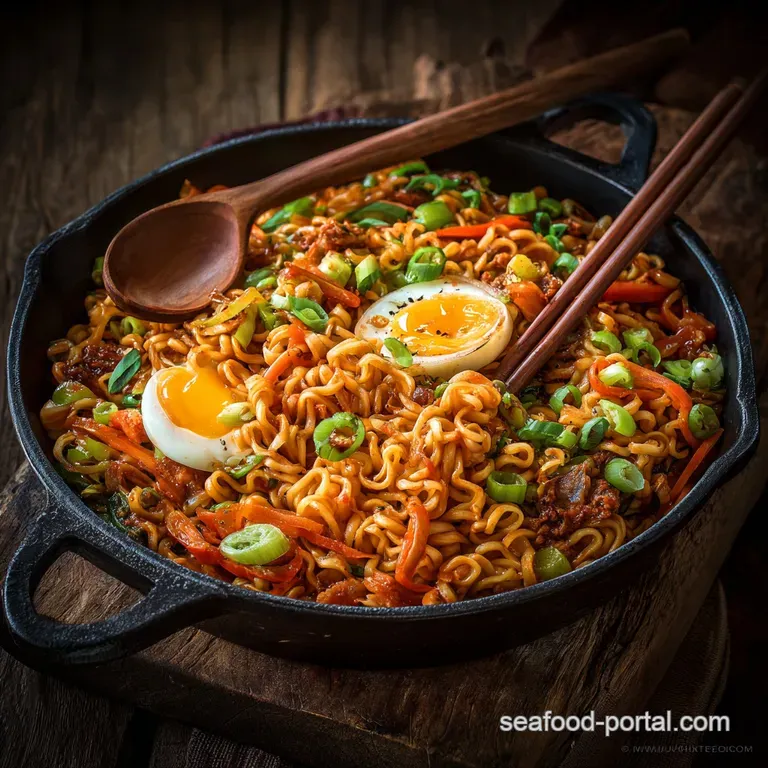
- The Ultimate Spicy Challenge: Buldak Spicy Korean Stir Fry Ramen
- The Science of Spice: Why This Buldak Recipe Delivers
- Essential Components for the Buldak Fire Noodle Stir-Fry
- Mastering the Flame: How to Cook Buldak Spicy Korean Stir Fry Ramen
- Troubleshooting the Heat: Expert Tips and Avoiding Failure
- Keeping the Fire Fresh: Storage and Reheating Guidelines
- What to Serve With Your Fiery Buldak Noodle Challenge
- Recipe FAQs
- 📝 Recipe Card
The Ultimate Spicy Challenge: Buldak Spicy Korean Stir Fry Ramen
Are you ready for the burn? When you open that wok and the steam hits you, smelling aggressively of garlic, sweet soy, and deep, terrifying Korean chiles, you know you’re about to experience something serious.
This Buldak Spicy Korean Stir Fry Ramen recipe isn't just about heat; it's about that glossy, sticky coating that makes every chewy noodle strand a complex explosion of savory, umami flavor.
Let's face it, sometimes life is messy, and we need dinner fast. This dish is my weeknight hero because it screams complexity but is genuinely ready in under 35 minutes, easily beating delivery speeds.
Forget standing over a stovetop for hours; this is a high speed, high reward meal that tastes way better than anything that comes out of an instant packet.
We’re skipping the powdered stuff entirely, creating a truly layered and authentic sauce from scratch. We’ll master the stir fry technique to ensure the noodles stay perfectly chewy and absorb every drop of that glorious, fiery sauce.
Grab your apron and maybe a glass of milk, because we are making the best homemade Korean Fire Noodle dish you’ve ever tasted.
The Science of Spice: Why This Buldak Recipe Delivers
You might think Buldak is just about pain, right? Wrong. The trick to the Best Buldak Flavor Recipe is balancing the pain with deep, rich savouriness. This recipe works because we understand how the core ingredients interact under intense heat.
What Exactly is the Buldak Flavor Profile?
Buldak, which translates literally to "fire chicken," is famous for its distinct flavor profile: fiercely hot, incredibly garlicky, and distinctly savory sweet. We achieve this complexity not just with heat, but through strategic sugar and acid components.
The high concentration of gochujang gives it a fermented, funky depth that instant noodles can never match.
Beyond the Instant Packet: Crafting Authentic Heat
Instant ramen often uses artificial flavorings and oils for heat, but we’re using the real deal: gochujang (paste) and gochugaru (flakes). This combination provides textural depth, a smoky element, and a slow, building heat that permeates the sauce perfectly.
This layering is what turns a quick meal into a memorable challenge.
Achieving the Perfect Noodle Chew (Al Dente Korean Style)
Noodle texture is non-negotiable in stir fries. We cook the noodles just shy of done, maybe one minute less than the package recommends, ensuring they remain slightly stiff.
This prevents the final dish from turning into mush when they hit the hot sauce, allowing them to absorb moisture and flavor during the over high heat toss.
The Essential Umami Layering Technique
We build umami from several sources here the richness of the chicken stock, the fermented soy sauce, and the subtle depth of the gochujang . By reducing the sauce rapidly in the wok, these savory elements concentrate, creating a beautiful, sticky glaze that adheres to the noodles instead of simply pooling at the bottom of the bowl.
Essential Components for the Buldak Fire Noodle Stir Fry
I’ve made enough stir fries in my life to know that quality ingredients, even for something fast, make all the difference. Remember, mise en place (everything in its place) is absolutely crucial here, because once the wok is hot, time moves warp speed!
The Foundation: Selecting the Best Korean Ramen Noodle
You want noodles that can handle the heat and the aggressive tossing. I personally prefer slightly thicker, fresh style ramen blocks for my Spicy Korean Ramen Recipe . They hold up brilliantly and offer the best chew.
If you’re using instant ramen blocks, discard the seasoning packet; we only want the noodles.
Building the Fire: Gochugaru vs. Gochujang vs. Capsaicin Sauce
These are your power players. Gochujang is a thick, fermented chili paste that delivers sweetness, colour, and complex fermentation flavors. Gochugaru (chili flakes) provides raw, sharp heat and texture.
The optional addition of cayenne or capsaicin extract is purely for those who truly love the pain I call this the "Level 5 Challenge."
Flavor Enhancers: Sesame Oil and Garlic Aromatics
Don't skip the fresh aromatics. Minced garlic and grated ginger are non-negotiable; they form the base flavor layer that gets seared into the oil. Toasted sesame oil is only added at the very end to preserve its nutty aroma.
A common mistake is cooking the sesame oil you lose all its fragrance!
Substitution Spotlight: Replacing Key Korean Chili Products
Sometimes you’re missing that one key ingredient. No stress! Here are my trusted swaps, though I promise, nothing beats the authentic stuff for this Homemade Buldak Ramen Sauce .
| Ingredient Missing | Viable Substitution | Why It Works |
|---|---|---|
| Gochujang | Sriracha + a pinch of brown sugar + tiny bit of miso paste. | Replicates the heat, sweetness, and fermented depth. |
| Gochugaru | Cayenne pepper + red pepper flakes (ratio 1:1 for heat/texture). | Cayenne brings the fine heat, flakes provide visual texture. |
| Rice Vinegar | Apple Cider Vinegar (use slightly less). | Provides the necessary acid balance. |
Mastering the Flame: How to Cook Buldak Spicy Korean Stir Fry Ramen
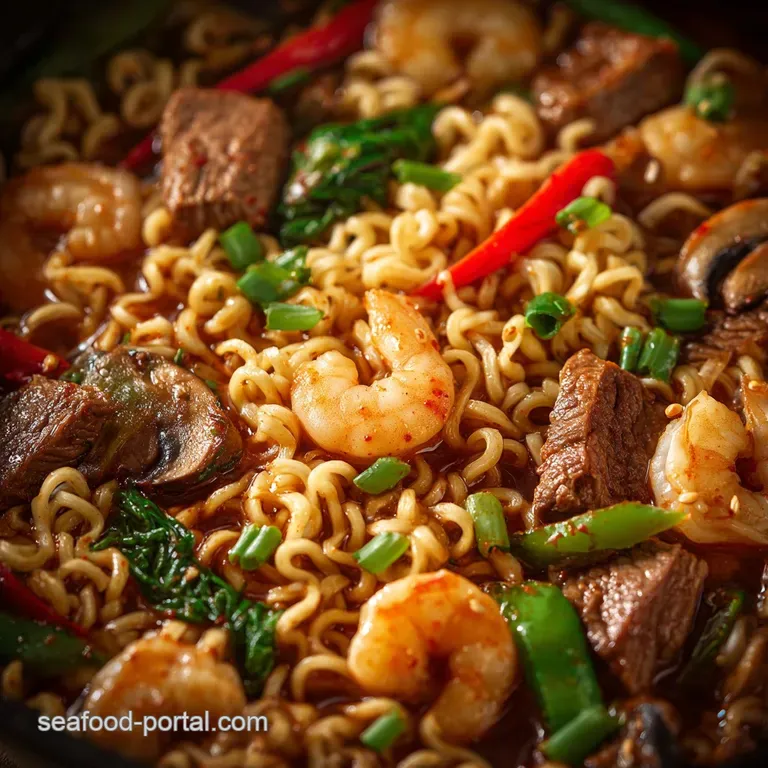
This dish moves incredibly fast. Get your prep done first. I mean it! If you need a reminder of quick stir fry mastery, check out my tips when making Shrimp Chop Suey: The Best 30 Minute Stir Fry Recipe , because the timing is everything.
Prepping the Paste: Creating the Fiery Sauce Base
Whisking the sauce elements gochujang, gochugaru, soy, vinegar, and stock is step one. Make sure it's totally smooth so you don't have clumpy paste when it hits the heat. This prevents uneven cooking and ensures a beautiful, glossy finish.
Chef's Note: If you want a truly thick, sticky sauce, mix ½ teaspoon of cornstarch into the chicken stock before combining it with the rest of the paste ingredients. Trust me, it makes a huge difference in the final glossiness!
Boiling and Timing the Ramen Noodles
Bring the water to a rigorous boil, throw the noodles in, and set a timer. If the package says 4 minutes, cook them for 3. Drain them fast. Once drained, toss them with a little oil. This stops the cooking process and prevents sticking while the wok heats up.
The over High heat Wok Toss: Stir Frying for Maximum Flavor Absorption
High heat is crucial! Sear your chicken until it’s almost done, then remove it. You need that intense heat to caramelize your aromatics (garlic and ginger) without burning them. Once the vegetables are crisp tender, the chicken goes back in, and then the sauce.
Reduce the sauce until it looks like thick, glossy lava, maybe 2- 3 minutes. Finally, add the noodles and toss, toss, toss!
Garnishing for Impact: The Final Touch
Garnishing isn't just decoration; it's flavor. The fresh crunch of spring onions and the nuttiness of toasted sesame seeds are essential contrasts to the sticky heat. My personal favorite finishing touch? That raw egg yolk, nestled on top of the fiery noodles.
Break it and stir it in right before eating for a ridiculous creaminess that tames the fire just slightly.
Troubleshooting the Heat: Expert Tips and Avoiding Failure
I once tried to make a huge batch of Korean Stir Fry Ramen for a party and realized too late that my tiny burner couldn't maintain the high heat. Everything turned soggy. Learn from my mistake!
Taming the Fire: Adjusting Spice Levels Safely
If you’ve accidentally made it too hot (it happens!), acid is your friend. A squeeze of fresh lime or a dash more rice vinegar can cut through the intense spice. Dairy, like the optional cheese or egg yolk, also helps encapsulate the capsaicin, cooling your mouth down.
The Mistake of Over Saucing (Soggy Noodles Syndrome)
If you dump the noodles into the wok before the sauce has properly reduced, you end up with Buldak soup, not stir fry. Ensure the sauce bubbles are large and slow before adding the noodles. They should look thick and glossy, not watery.
Wok Maintenance: Achieving Optimal Heat Distribution
If you're making this for more than two people, cook it in batches. Overcrowding the wok drops the temperature instantly, leading to steaming instead of stir frying. We want sizzle, smoke, and caramelization!
Keeping the Fire Fresh: Storage and Reheating Guidelines
Refrigerating Leftovers: Best Practice for Stir Fries
Leftover Buldak is still awesome, though the noodles will absorb more sauce overnight. Store it in an airtight container in the fridge for up to 3 days . Don't try to stretch it past that; the texture starts to suffer.
Reviving Day-Old Noodles (The Spritz Method)
When reheating, avoid the microwave if possible, as it makes the noodles tough. Reheat quickly in a hot pan or wok. Add a tiny splash (about 1 tbsp) of water or stock to create steam. This loosens the sticky noodles and prevents them from burning on the pan surface.
Can You Freeze Buldak Ramen? (Spoiler: Proceed with Caution)
Freezing cooked noodles is generally a bad idea. They tend to turn mushy when thawed and reheated. While the sauce itself freezes beautifully, the finished Buldak Ramen Recipe is best enjoyed fresh or within a couple of days from the fridge.
What to Serve With Your Fiery Buldak Noodle Challenge
Because this dish brings such aggressive flavor and heat, you want accompaniments that are cool, mild, and contrasting. If you want a seafood kick alongside this, I’d suggest making the dipping sauce from my Dynamite Shrimp Recipe: Crispy, Spicy, Restaurant Style Results and drizzling it over some plain white rice for contrast!
- Fresh Vegetables: Pickled radishes (danmuji) or thinly sliced, lightly salted cucumbers are essential palate cleansers.
- A Mild Contrast: Steamed rice provides a necessary buffer for the heat.
- Protein Sides: If you didn't add the optional egg yolk, a soft boiled egg is a phenomenal pairing.
This Homemade Buldak Ramen is a triumph of flavor over fear. Go forth and cook with fire!
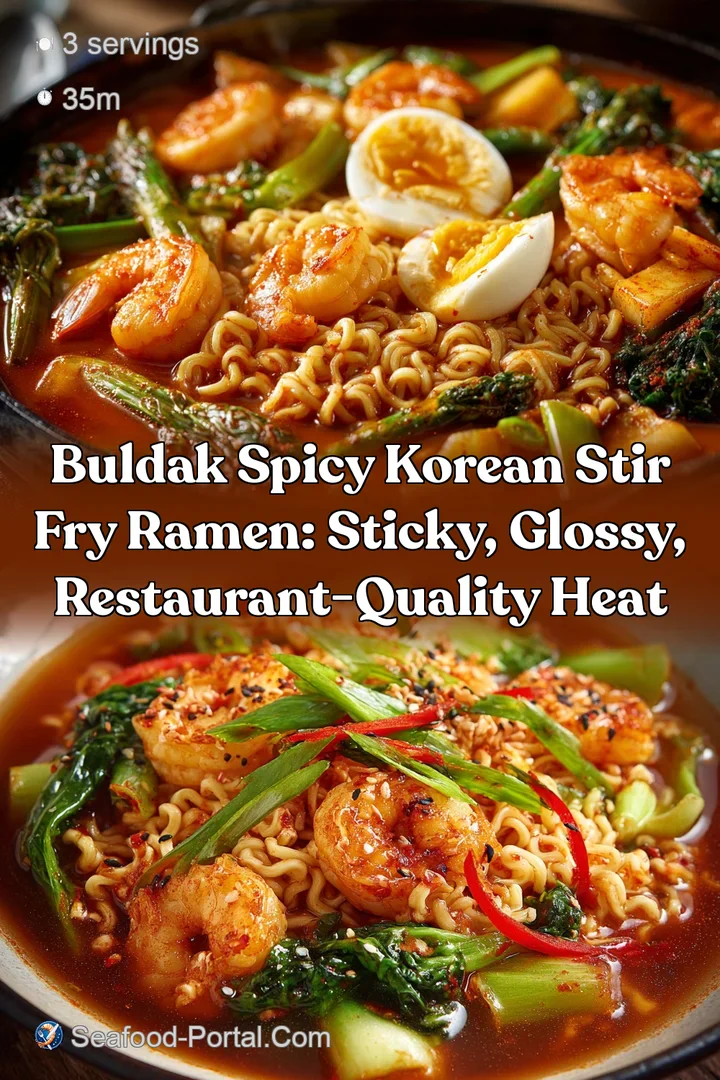
Recipe FAQs
How can I reduce the extreme heat of the Buldak sauce?
The primary heat sources are the chiles and the specific Buldak paste. To effectively temper the spice, incorporate 1-2 tablespoons of whole milk, heavy cream, or a neutral dairy product like crème fraîche at the very end of the cooking process, as the fat binds the capsaicin.
Alternatively, ensure you serve the dish with cooling sides like shredded mozzarella, hard boiled eggs, or pickled radish to provide necessary palate relief.
Why did my stir fry become sticky and dry instead of saucy?
This common issue usually occurs if the noodles were overcooked initially or if the sauce was reduced too much over high heat. Always ensure the noodles are slightly underdone (al dente) when draining, and critically, reserve at least 1/4 cup of the starchy noodle water.
That starchy water should be added to the wok during the final stir fry stage to emulsify the sauce and provide a glossy coating.
Can I use fresh ramen or other types of noodles for this recipe?
Absolutely; while the instant ramen style is traditional for texture, fresh ramen, udon, or even thick Chinese wheat noodles (lo mein) work splendidly as substitutes. Adjust the boiling time according to the package instructions, ensuring they are rinsed immediately after draining to halt the cooking before they enter the hot wok.
How can I make this Buldak recipe entirely vegan or vegetarian?
Buldak sauce often uses specific savory agents for depth and umami. Substitute any chicken stock or animal products with a robust vegetable broth, specialized mushroom powder (like Shiitake), or a blend of dark soy sauce and a few drops of liquid smoke.
Ensure your Gochujang brand is verified vegan, as some contain fish products.
What is the best way to store and reheat Buldak leftovers?
Store cooled leftovers in an airtight container in the refrigerator for up to 3 days, understanding that the noodles will absorb the sauce the longer they sit. When reheating, use a skillet on medium heat rather than a microwave, and add a small splash of water or broth to re-moisten the noodles and prevent them from clumping and seizing.
I don't have specific Korean ingredients like Gochujang. What can I use?
Gochujang (fermented chili paste) is essential for the authentic tangy, savory, and thick profile of Buldak, and we strongly recommend finding it. If you must substitute in a pinch, combine chili flakes, a small amount of soy sauce for saltiness, and a touch of brown sugar or honey for sweetness.
However, the unique fermented tang and depth of flavor will be noticeably different.
Buldak Spicy Korean Stir Fry
Ingredients:
Instructions:
Nutrition Facts:
| Calories | 558 kcal |
|---|---|
| Protein | 17.1 g |
| Fat | 29.9 g |
| Carbs | 44.0 g |
