Boston Cream Poke Cake: the Easiest Recipe for Velvety Custard Cake
- The Ultimate Boston Cream Poke Cake: A Low and Fuss Take on a Classic Dessert
- Culinary Magic: Why This Poke Cake Delivers Maximum Flavor
- Essential Components: Gathering Your Boston Cream Cake Ingredients
- The Method: A Step and by-Step Guide to Baking and Assembling Your Boston Cream Poke Cake
- Expert Secrets and Troubleshooting: Chef's Notes for Boston Cream Poke Cake Success
- Preparation and Preservation: Storing Your Boston Cream Poke Cake
- Effortless Presentation: Creative Ways to Serve Boston Cream Poke Cake
- Recipe FAQs
- 📝 Recipe Card
The Ultimate Boston Cream Poke Cake: A Low and Fuss Take on a Classic Dessert
That rich, vanilla aroma hitting you when the oven door opens? That’s what we’re chasing here. The magic of Boston Cream Pie is that incredible pairing: a light, fluffy sponge meeting cold, silky pastry cream.
Forget dry layers and wobbly construction; this Easy Boston Cream Poke Cake Recipe gives you maximum moisture and flavour, all contained perfectly in a 13x9 pan.
Layering a classic Boston Cream Pie is a project a beautiful one, but still a project. This adaptation is the definition of kitchen genius because it turns a fiddly dessert into a foolproof traybake.
It's fast, incredibly satisfying, and frankly, using the pudding method means the chilling time is doing all the hard work for you. It’s a guaranteed crowd and pleaser that won’t require three hours of careful assembly.
If you’re ready to revolutionize your dessert game and taste the difference the "poke" method makes, then let’s crack on. We’re going to bake a killer vanilla sponge, saturate it with the best homemade custard you've ever had, and top it with a killer, mirror and like chocolate ganache.
This is how you make a Boston Creme Dessert that truly sings.
Culinary Magic: Why This Poke Cake Delivers Maximum Flavor
Why the Poke Cake Method is Superior to Layering
When you poke holes in a cake, you turn a simple sponge into a giant, delicious sponge literally. We aren't just adding moisture; we are intentionally infusing a rich, heavy Pastry Cream (Crème Pâtissière) deep into the crumb structure.
Traditional Boston Cream Pie requires chilling the custard and slicing the cake perfectly, hoping the layers don't slide. With the poke cake method, we bypass all that drama. The cake absorbs the cream while it chills, making every single bite moist, cold, and utterly decadent.
If you've played around with other versions, like my incredibly rich Death By Chocolate Poke Cake: Easy Homemade Fudge Filling or the sticky goodness of the Marshmallow Chocolate Poke Cake: The Ultimate Gooey, Sticky and Fingered Dessert , you already know the power of the poke. It's a total game and changer.
The Anatomy of Boston Cream Perfection
The success of this dessert is entirely down to the contrast between the three major components: a light, tender vanilla base; a thick, intensely vanilla and flavored Pastry Cream filling; and a slightly bitter, firm chocolate glaze.
We need the cake to be strong enough to hold up to the soak, the cream to be thick enough not to just evaporate, and the glaze to set firmly enough for a clean slice.
A Brief History of the Boston Cream Pie's Legacy
Did you know the Boston Cream Pie is actually a cake? It was first invented back in 1856 at the Parker House Hotel. It was originally called "Chocolate Cream Pie," but since it was baked in a cake tin, the name eventually evolved.
By turning it into a Boston Cream Poke Cake, we're simply honouring its history as a single and tin creation, just making the filling step easier!
Achieving the Signature Velvety Texture
The trick to that signature, velvety Pastry Cream is using a combination of egg yolks and cornflour (cornstarch). The yolks provide richness and colour, while the cornflour acts as a powerful thickening agent without requiring excessive cooking time. Always temper your eggs gently!
This ensures you cook the yolks without scrambling them, leading to a silky and smooth finish.
The Secret to Infusing Pastry Cream Deeply
I made a huge mistake early on, thinking skewers were the key. They aren't. They make holes that are too small. Use the handle of a wooden spoon or a chopstick to make substantial holes.
You need those channels wide and deep (about halfway down the cake) so the thick Pastry Cream can truly settle and saturate the entire cake.
Balancing the Richness: Vanilla Sponge Meets Chocolate Glaze
Since the Pastry Cream is rich and sweet, we need the chocolate glaze to provide a little counterpoint. That's why we use semi and sweet chocolate and heavy cream creating a proper chocolate ganache. The bitter edge of the dark chocolate cuts through the sweetness of the vanilla custard beautifully.
Pro Tip: Adding a small pat of butter to the finished ganache gives you that stunning, high and shine mirror finish.
Essential Components: Gathering Your Boston Cream Cake Ingredients
I always recommend baking the vanilla sponge from scratch for the best flavour and texture, but sometimes life calls for a shortcut. The key is quality ingredients, especially when it comes to the vanilla extract don't skimp here.
Quality Check: Selecting the Best Vanilla Cake Base
For the perfect poke cake, you need a resilient yet tender sponge. My recipe above uses the "reverse creaming" or "all and in-one" method for a reliably soft cake.
| Component | Goal | Substitute/Hack |
|---|---|---|
| Vanilla Sponge | Sturdy, even crumb for maximum absorption. | Use a high and quality boxed yellow cake mix prepared according to package directions. |
| Whole Milk (Cake) | Required for richness and tenderness. | Use Buttermilk (or 1 cup milk + 1 Tbsp white vinegar, left for 5 mins) for a slightly tangier cake. |
| Eggs (Cake) | Structure and lift. | Must be room temperature for optimal emulsification. |
Elevating the Cream: Store and Bought Pudding vs. Homemade Custard
You can totally make this Boston Cream Poke Cake with Pudding if you’re pressed for time. Instant vanilla pudding is a viable substitute, and it’s a brilliant hack!
Chef's Note: If you use instant pudding (two 5 oz packages, prepared with 4 cups of whole milk), you must adjust the chilling time. Instant pudding sets much faster than scratch and made custard, often requiring only 90 minutes of chilling before adding the glaze.
Glaze Goals: Mastering the Two and Ingredient Chocolate Topping
The ganache is simple: high and quality chocolate and hot heavy cream. Don’t rush the process. If you use cheap chocolate chips, you risk a grainy or dull and looking glaze. I prefer a block of 60% cacao chopped fine; it melts much cleaner than standard chips.
Smart Swaps: Dairy and Free and Gluten and Friendly Alternatives
This recipe is naturally indulgent, but we can make adjustments!
- Dairy and Free: Substitute the whole milk (in the cake and custard) and heavy cream (in the glaze) with full and fat canned coconut milk . It adds a slight tropical flavour, but the richness holds up perfectly.
- Gluten and Friendly: Use a 1:1 gluten and free flour blend in place of all and purpose flour for the cake base. Since this is one of our favourite [13x9 Cake Recipes], I’ve tested this swap many times and it works great!
The Method: A Step and by-Step Guide to Baking and Assembling Your Boston Cream Poke Cake
Phase 1: Baking the Perfect Tender Sponge
The sponge is your foundation. Make sure you cream the butter and sugar thoroughly until pale, and don't forget to scrape down the bowl! Once you add the wet ingredients (milk and eggs), mix only until just combined.
Overmixing develops too much gluten, which creates a tough cake that won't absorb the custard as well. Bake until the edges pull away slightly from the pan and a toothpick comes out clean.
Phase 2: The Critical Technique for Poking Holes (Size and Depth)
This is the moment of truth. As soon as the cake comes out of the oven, let it cool for exactly five minutes you want it still warm but not scorching hot. Grab that wooden spoon handle and start poking! Be aggressive! You need deep, wide holes spaced about an inch apart.
Seriously, don’t be shy; this is how the cream gets its vacation home inside your cake.
Phase 3: Saturating the Cake with Cream Filling
As soon as your Pastry Cream is strained and wonderfully smooth, pour it immediately over the warm, poked cake. The warmth helps the custard flow easily and penetrate the holes deeply. Use a spatula to gently push the cream and ensure every hole is filled.
Cover it tightly with plastic wrap touching the surface of the custard this is mandatory to prevent a horrible, rubbery skin from forming while it chills.
Phase 4: Setting the Glaze for That Mirror Finish
Once the cake has fully chilled (remember, 3 hours minimum!), it’s time for the crowning glory. Bring your heavy cream just to a simmer, pour it over the chocolate, and let the residual heat do the work for 5 minutes.
You'll achieve the best shine and consistency if you start whisking slowly in the centre, then move outwards. Pour the resulting rich, glossy chocolate glaze over the chilled cake. It looks incredibly professional and tastes even better.
Expert Secrets and Troubleshooting: Chef's Notes for Boston Cream Poke Cake Success
The Importance of Cooling Time Before Poking
If you poke the cake immediately when it’s piping hot, the steam rushing out can cause the top layer to tear and crater excessively. If you wait too long, the crust might harden, making it harder for the Pastry Cream to sink in effectively. Five minutes is the sweet spot: warm and yielding, but not steaming.
Preventing a Runny Pastry Cream Filling
If your custard is runny, it means two things: either you didn't cook it long enough, or you skimped on the cornflour. You must bring the custard to a vigorous bubble and whisk it for at least 30 seconds after it starts bubbling.
This process is necessary to activate the thickening power of the cornflour. If it still feels too loose when you take it off the heat, whisk in a tablespoon of cornflour slurry (cornflour mixed with cold water) and bring it back to a bubble quickly.
Achieving a Smooth, Crack and Free Chocolate Glaze
The crack and free secret is twofold: first, straining the custard (which we already covered), and second, letting the ganache cool slightly before pouring. If the ganache is too hot, it will melt the chilled custard beneath it, leading to a watery, dull finish.
Let the finished ganache sit on the counter for 10 minutes until it feels warm, but not steaming. It should flow like thick honey.
Preparation and Preservation: Storing Your Boston Cream Poke Cake
Refrigeration Guidelines: Maximizing Freshness
Because this cake is saturated with a dairy and heavy Pastry Cream, it must be stored in the refrigerator. Cover it tightly with plastic wrap or transfer slices to an airtight container. This cake is best enjoyed within 3 to 4 days of baking.
After that, the custard starts to break down slightly, and the texture changes.
Can You Freeze Poke Cake? (The Chef's Verdict)
You bet it can! Poke cakes are surprisingly freezer and friendly. However, I have a major caveat: freeze the cake before adding the chocolate glaze. The custard and soaked cake freezes beautifully.
Best Practices for Thawing and Serving Chilled
To freeze, wrap the custard and soaked cake (still in the pan is easiest) tightly in two layers of plastic wrap, followed by a layer of foil. It will last for up to 3 months. When you want to serve it, thaw it overnight in the refrigerator. Once fully thawed, make and pour the fresh ganache topping.
Serve chilled straight from the fridge!
Effortless Presentation: Creative Ways to Serve Boston Cream Poke Cake
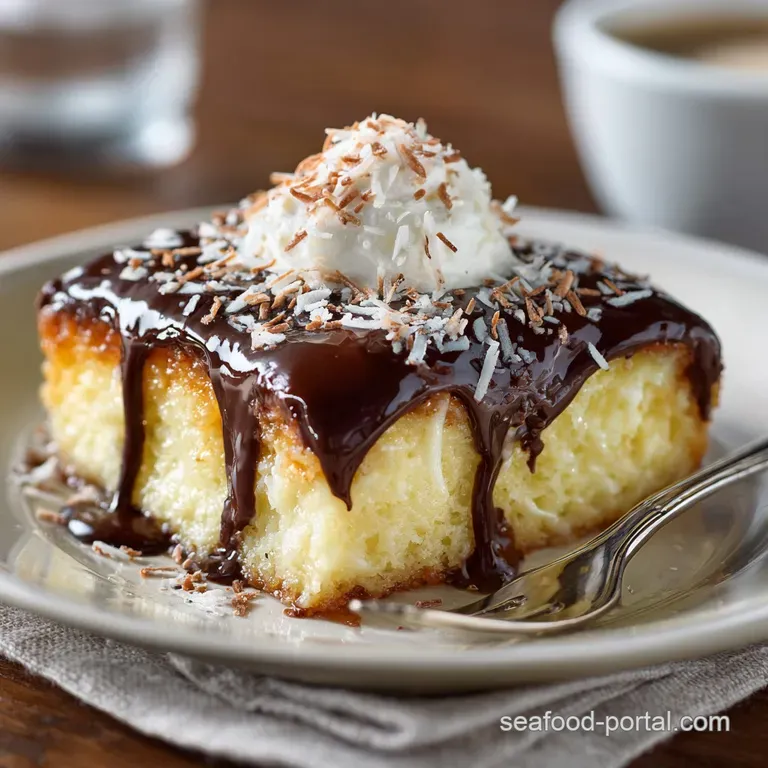
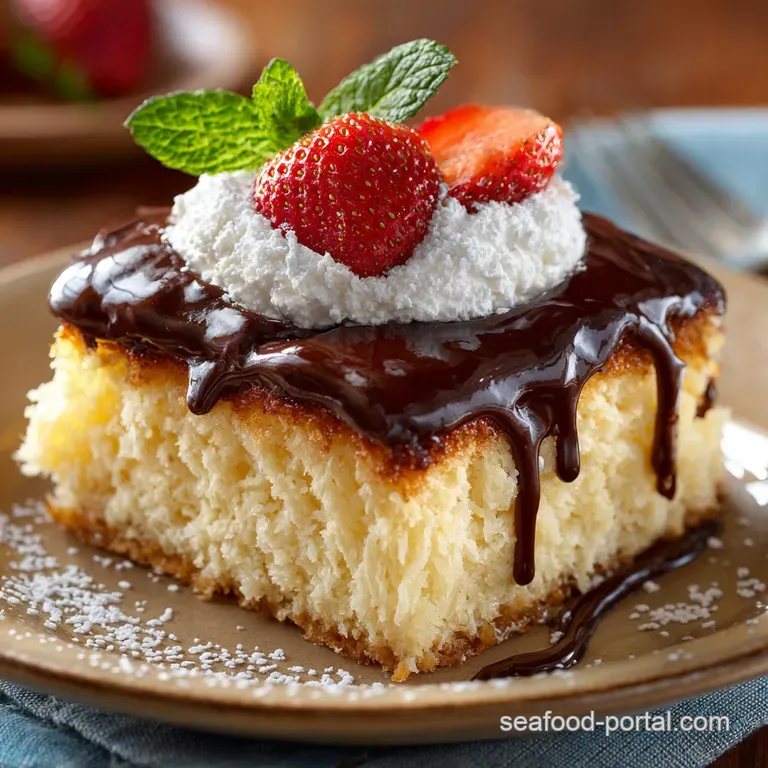
Since this cake is already visually stunning with its deep chocolate crown and rich yellow sponge, you don't need much fuss.
- Garnish Simply: A dusting of cocoa powder or a few fresh raspberries provides a lovely colour pop.
- Clean Slices: Wipe your knife blade with a hot cloth between each slice to ensure that clean, sharp edge that shows off the beautiful layered effect.
- Paired with Coffee: As this is a rich, creamy dessert, it demands a strong beverage counterpart. Serve with espresso or a cold brew.
For something completely different but still in the "dessert in a pan" category, sometimes I lean towards my fudgier cakes, like the Chocolate Poke Cake: Ultimate Double Fudge Recipe with Whipped Cream . But honestly, when I want sophistication without the effort, this Boston Cream Poke Cake is always the winner.

Recipe FAQs
How long can I store the Boston Cream Poke Cake, and does it need to be refrigerated?
Yes, due to the dairy rich pastry cream filling, the cake must be refrigerated immediately. It will keep well, covered tightly, for 3 to 4 days, though the cake texture is generally best consumed within 48 hours for optimal freshness.
Why did my pastry cream (custard) turn out lumpy or too thin?
Lumps usually mean the starch wasn't fully whisked into the egg yolks before tempering; ensure this mixture is entirely smooth before adding the hot milk. If the custard is thin, it likely needed more time on the stove; return it to medium heat and stir constantly until it visibly thickens and coats the back of a spoon.
Can the pastry cream (custard) be made a day ahead of time?
Absolutely. Making the pastry cream a day ahead saves significant preparation time. Store it in an airtight container with plastic wrap pressed directly onto the surface to prevent a skin from forming, then whisk it vigorously to smooth it out before spreading it onto the cooled cake.
What is the ideal tool and technique for poking the holes in the cake?
The rounded end of a wooden spoon or a chopstick is ideal for creating the proper sized hole, ensuring maximum custard absorption. Wait until the cake is completely cooled before poking, and space the holes evenly, about 1 inch apart, for thorough distribution.
Can I use pre-made chocolate frosting instead of making the glossy glaze?
While you can substitute pre-made frosting, it won't achieve the classic shiny, mirror like finish of a traditional glaze. If using frosting, thin it slightly with a tablespoon of warm milk or corn syrup to make it pourable and easier to spread smoothly across the cold custard layer.
Is it possible to freeze leftover slices of this Boston Cream Poke Cake?
Freezing is generally not recommended for this particular dessert due to the delicate nature of the pastry cream filling. The freezing and thawing process often causes the custard's emulsion to break, resulting in a grainy or watery texture upon defrosting.
How do I prevent the chocolate glaze from cracking when slicing the cake?
Cracking occurs when the glaze is too rigid or the knife is too cold. Use a thin, sharp knife dipped in hot water and wiped dry before each slice to ensure clean cuts. Also, allow the cake to sit at room temperature for 10 15 minutes before serving so the glaze softens slightly.
Boston Cream Poke Cake Traybake
Ingredients:
Instructions:
Nutrition Facts:
| Calories | 388 kcal |
|---|---|
| Protein | 5.0 g |
| Fat | 20.0 g |
| Carbs | 49.0 g |
