Boiling Crab Recipe: Coastal Seafood Boil
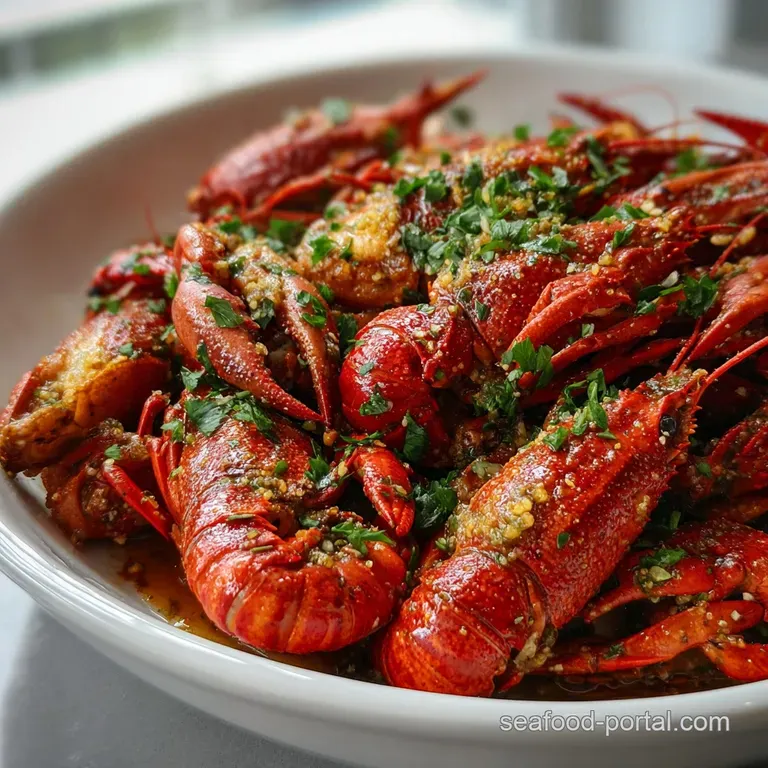
- Time: Active 20 mins, Passive 30 mins, Total 50 mins
- Flavor/Texture Hook: A velvety, garlic heavy sauce with a spicy snap and tender, sweet crab meat.
- Perfect for: A hands on weekend feast or a casual backyard gathering.
- Create a Flavor Packed Homemade Boiling Crab Recipe at Home
- The Chemistry of the Coastal Brine
- Deep Dive into the Flavor Elements
- Gathering Your Essentials for the Pot
- Tools for a Successful Boil
- Bringing the Feast Together with Precision
- Navigating Common Boiling Pitfalls
- Adapting the Feast for Your Table
- Debunking Seafood Boiling Myths
- Storage and Zero Waste Strategies
- Ideal Sides to Complement the Boil
- Very High in Sodium
- Recipe FAQs
- 📝 Recipe Card
Create a Flavor Packed Homemade Boiling Crab Recipe at Home
The first time I tried a true seafood boil, I was sitting at a table covered in butcher paper, staring at a plastic bag that looked like it was filled with liquid gold. When that bag opened, the steam didn't just rise; it announced itself with a punch of garlic and cayenne that made my eyes water in the best way possible.
I remember the sound of the first crab leg snapping that clean, sharp crack followed by the silence that happens when four people are too busy dunking meat into butter to actually speak. It wasn't just a meal; it was an event, a glorious, finger staining mess that stayed on my mind for weeks.
I tried to recreate it at home shortly after, and honestly, it was a disaster. I dumped everything in at once, resulting in rubbery shrimp and potatoes that were still crunchy in the middle.
I've spent a lot of time since then obsessing over the "The Whole Shebang" style of cooking, learning that the secret isn't just the spices, but the order of operations. This version is the result of those messy experiments.
We're going to build layers of flavor, starting with a beer infused aromatic bath and finishing with a sauce so punchy you'll want to drink it with a spoon.
But what about the spice levels? We'll get to that. Whether you like it mild or "make me-cry" hot, the foundation remains the same. We aren't just boiling things in water; we are seasoning from the inside out and then lacquering the outside with a garlic butter emulsion.
It's brilliant, it’s loud, and it’s surprisingly accessible once you stop being afraid of using a whole pound of butter. Let's crack on.
The Chemistry of the Coastal Brine
Osmotic Infusion: The high salt and spice concentration in the boiling liquid forces seasoning deep into the crab shells through the process of osmosis. This ensures the meat isn't just sweet, but carries the heat of the Old Bay and aromatics.
Emulsion Stability: Combining cold butter with the lemon juice and spice slurry over low heat creates a temporary emulsion. This allows the sauce to "cling" to the smooth crab shells rather than just sliding off into a greasy puddle at the bottom of the bag.
Protein Denaturation Control: By adding the seafood in stages based on density, we prevent the collagen in the crab from tightening too much. This keeps the meat silky rather than chewy or "cottony."
| Aspect | Fast (Modern) Method | Classic (Traditional) Method |
|---|---|---|
| Preparation | Uses pre mixed cajun blends and frozen legs. | Requires whole live catch and hand mixed spices. |
| Cook Time | Under 30 minutes once the pot is rolling. | Often takes 1.5 hours with slow simmered stocks. |
| Flavor Profile | Intense, sharp, and immediate garlic butter hit. | Deep, subtle oceanic undertones with milder heat. |
This comparison shows that while the classic way has its charms, the modern "Boiling Crab" style is all about that intense, immediate flavor. If you're looking for that specific Seafood Boil with recipe flavor, the fast method actually yields the punchier result you're likely craving.
Deep Dive into the Flavor Elements
| Ingredient | Science Role | Pro Secret |
|---|---|---|
| Light Lager Beer | The alcohol acts as a solvent, extracting fat soluble flavors from the spices. | Use a cheap, crisp lager; fancy IPAs add a bitter aftertaste when boiled. |
| Unsalted Butter | Provides the fat base for the sauce to carry capsaicin (heat) to the palate. | Keep it slightly cool before melting to help the garlic infuse without burning. |
| Lemon Juice | The acid cuts through the heavy fat of the butter and sausage. | Add half the juice at the end to keep the bright, volatile citrus notes alive. |
Getting the sauce right is half the battle. If you want to experiment with different base flavors, you might also enjoy looking into a dedicated Boiling Crab Sauce recipe to see how the aromatics shift when you change the ratio of onion to garlic.
Gathering Your Essentials for the Pot
For the boiling liquid (the infusion), you'll need: - 8 quarts water - 12 oz light lager beer Why this? Breaks down seafood proteins for a more tender bite. - 0.5 cup Old Bay Seasoning - 2 whole lemons, halved - 1 large white onion, quartered - 2 heads garlic, halved crosswise
For the seafood and "fillers": - 2 lbs Dungeness crab or King crab legs Why this? Dungeness is sweeter, King is heartier; both hold sauce well. - 1 lb jumbo shrimp, shell on, deveined - 1 lb Andouille sausage, sliced into 2 inch rounds - 5 red bliss potatoes, halved - 3 ears corn on the
cob, cut into thirds
For the signature "Whole Shebang" sauce: - 1 lb unsalted butter Why this? Using unsalted allows you to control the salt from the Old Bay. - 0.5 cup fresh garlic, minced - 3 tbsp Old Bay Seasoning - 2 tbsp Cajun seasoning - 2 tbsp lemon pepper - 2 tbsp paprika - 1 tbsp cayenne pepper - 2
tbsp sugar - 1 lemon, juiced
Chef's Tip: Bloom your spices! Before adding the butter for the sauce, toss the dry spices (Old Bay, Cajun, etc.) in a dry pan over medium heat for 30 seconds. This wakes up the oils in the dried herbs and creates a much more vibrant flavor.
Tools for a Successful Boil
You don't need a commercial kitchen, but a large stockpot is non negotiable. You'll need something that can comfortably hold 8 quarts of water plus several pounds of seafood without overflowing.
A pot with a strainer basket is a lifesaver, as it allows you to pull everything out at once, preventing the shrimp at the bottom from overcooking while you hunt for the last potato.
Beyond the pot, grab a large skillet for the sauce. I prefer stainless steel or cast iron here because you want a wide surface area to sauté that half cup of minced garlic. You'll also need a pair of sturdy tongs and, if you're serving this traditionally, a large roll of butcher paper or heavy duty trash bags to line the table.
Don't even bother with plates; they just get in the way of the experience.
Bringing the Feast Together with Precision
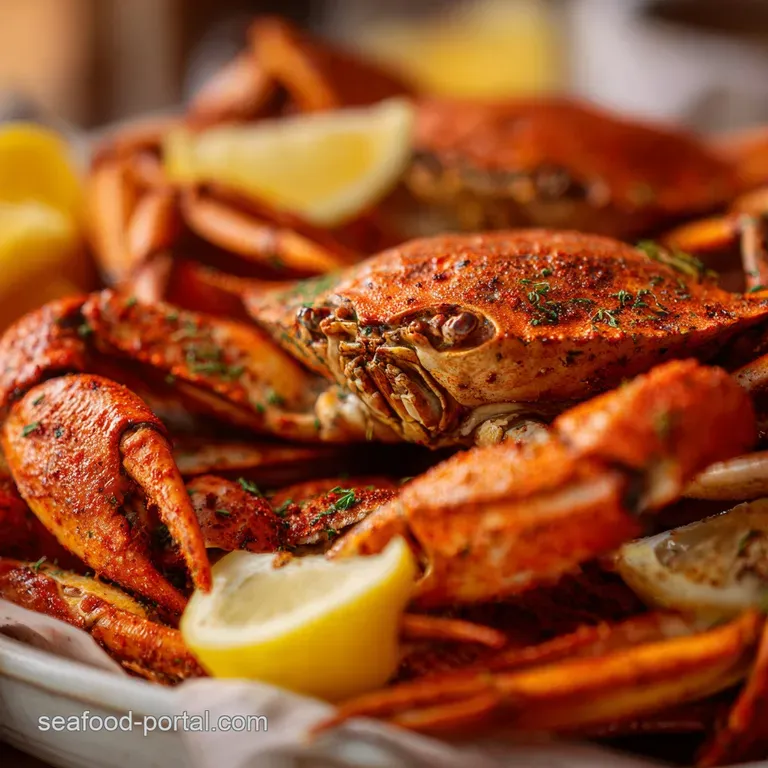
Step 1: The Aromatic Infusion
Fill your large stockpot with 8 quarts of water and the 12 oz of beer. Squeeze the 2 halved lemons into the water and drop the rinds in too. Add the 0.5 cup of Old Bay, the quartered onion, and the halved garlic heads. Bring this to a rolling boil until the air smells like a spice warehouse.
Let it simmer for 10 minutes before adding any food to ensure the "tea" is fully steeped.
Step 2: The Staggered Cook
Drop the halved red bliss potatoes into the boiling liquid. Cook for 10-12 minutes until a fork slides into a potato with minimal resistance. Once the potatoes are nearly done, add the 1 lb of sliced Andouille sausage and the 3 ears of corn.
Let these boil for another 5 minutes. The sausage will release its fats, adding another layer of richness to the broth.
Step 3: The Seafood Finale
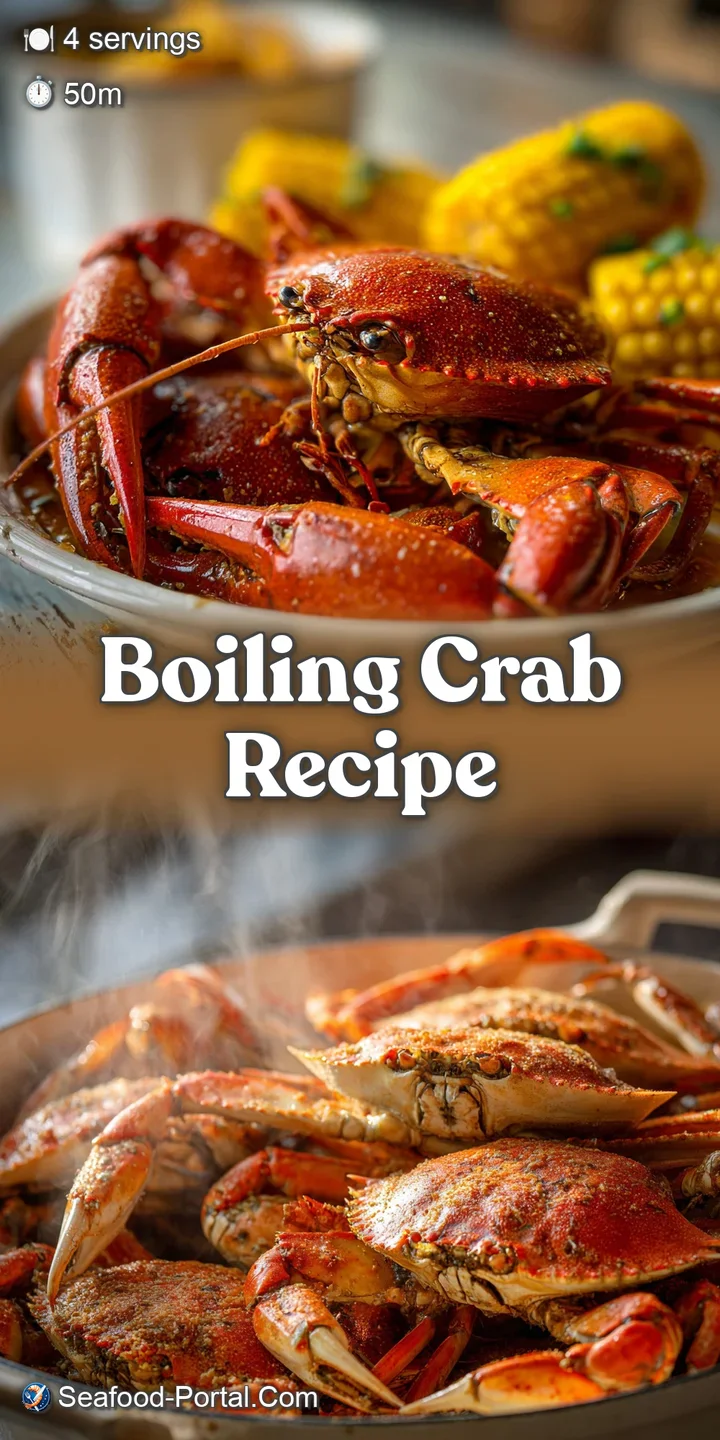
Add the 2 lbs of crab legs to the pot. If using King crab, they usually need about 6 minutes; Dungeness takes about 5. Finally, toss in the 1 lb of jumbo shrimp. Boil for 2-3 minutes until the shrimp turn opaque and form a "C" shape.
Overcooking shrimp turns them into rubber, so watch them like a hawk. Immediately drain the entire pot or lift the strainer basket.
Step 4: Crafting the Velvet Sauce
While the seafood is draining, melt 1 lb of unsalted butter in a large skillet over medium low heat. Add the 0.5 cup of minced garlic and sauté for 2 minutes until the garlic is fragrant and translucent but not brown. If the garlic browns, it turns bitter, which ruins the sauce.
Stir in the Old Bay, Cajun seasoning, lemon pepper, paprika, cayenne, and sugar.
Step 5: The Signature Toss
Whisk the sauce until the spices are fully integrated and the butter looks silky. Squeeze in the juice of one lemon and stir. Place all the boiled seafood, corn, and potatoes into a large heat proof bowl or a heavy duty plastic bag.
Pour the warm butter sauce over everything and toss vigorously until every crevice of the crab is lacquered in spice.
Navigating Common Boiling Pitfalls
Rubbery Seafood
This is the most common heartbreak. It happens when the crab or shrimp sit in the hot water for even sixty seconds too long. Seafood continues to cook after you pull it out of the water.
A Broken Butter Sauce
If your sauce looks like a layer of yellow oil sitting on top of red sludge, it has "broken." This usually happens if the heat is too high when you add the spices or if the butter boils too violently.
Soggy Potatoes
If your potatoes are falling apart, they were likely cut too small or added too early. Red bliss potatoes are chosen because they hold their shape, but they aren't invincible.
| Problem | Root Cause | Solution |
|---|---|---|
| Bland Crab Meat | Boiling liquid wasn't seasoned enough. | Ensure the water tastes like a very salty soup before adding crab. |
| Bitter Sauce | Garlic was scorched or "burnt" in the butter. | Sauté garlic on low heat; add spices only after garlic softens. |
| Shrimp are hard to peel | Shrimp were overcooked or under cooled. | Use shell on shrimp and pull them the second they turn pink. |
Common Mistakes Checklist: - ✓ Always devein the shrimp but keep the shells on for better flavor protection. - ✓ Use fresh garlic, not the jarred stuff; the "bite" is essential for the sauce. - ✓ Don't skip the sugar in the sauce; it balances the salt and vinegar in the spices.
- ✓ Let the seafood drain for a full minute before saucing to prevent a watery mess. - ✓ Use a light beer; dark stouts will overpower the sweetness of the crab.
Adapting the Feast for Your Table
If you need to feed a larger crowd, scaling this recipe is relatively straightforward. For 8 people, double the seafood and corn, but you don't necessarily need to double the boiling water just ensure the pot is large enough to submerge everything.
For the sauce, keep the spices at 1.5x the original amount while doubling the butter to avoid it becoming overwhelmingly salty.
For a Keto Friendly Feast
This recipe is naturally quite low in carbs if you remove the potatoes and corn. To keep it satisfying, replace the potatoes with cauliflower florets (add them in the last 4 minutes) or extra sausage. The butter sauce is a keto dream, providing plenty of healthy fats to keep you full.
For a Lower Sodium Version
The primary salt source is the Old Bay. You can create a "low so" version by mixing your own spice blend using celery seed, paprika, black pepper, and a touch of cayenne, omitting the added salt. Use a low sodium bouillon in the water instead of the full 0.5 cup of seasoning.
| Servings | Crab Amount | Butter Amount | Pot Size Needed |
|---|---|---|---|
| 2 People | 1 lb | 0.5 lb | 6 Quarts |
| 4 People | 2 lbs | 1 lb | 10-12 Quarts |
| 8 People | 4 lbs | 2 lbs | 20+ Quarts |
Debunking Seafood Boiling Myths
One common misconception is that you need to use expensive, high end beer for the boil. In reality, the nuanced notes of a craft IPA or a complex Belgian ale are lost in the intense heat and heavy spices. A simple light lager provides the necessary acidity and enzyme breakdown without competing with the Old Bay.
Another myth is that "fresh is always better" for crab legs. Unless you live on the coast and are buying them off the boat, almost all crab legs sold in grocery stores are pre cooked and flash frozen on the vessel. You aren't "cooking" the crab so much as you are gently reheating and seasoning it.
This is why timing is so critical; you're essentially just warming it through.
Storage and Zero Waste Strategies
Storage: This dish is best enjoyed immediately, but you can keep leftovers in the fridge for up to 2 days. Store the seafood in an airtight container, submerged in as much of the leftover butter sauce as possible to prevent it from drying out.
To reheat, avoid the microwave it will turn the shrimp into erasers. Instead, steam the seafood for 3-4 minutes or toss it in a skillet over low heat with a splash of water and extra butter.
Zero Waste: Don't throw away those crab shells or the leftover boiling liquid! The shells are packed with flavor. Roast them in the oven for 10 minutes, then simmer them with the leftover onion and garlic scraps to make a stunning seafood stock.
You can freeze this stock in ice cube trays and drop a cube into your next risotto or pasta sauce for an instant hit of umami. If you have leftover sauce, it makes an incredible base for a "Cajun Pasta" just toss it with hot linguine and a little pasta water.
Ideal Sides to Complement the Boil
Since this is such a heavy, buttery meal, you want sides that offer a crisp, acidic contrast. A simple vinegar based coleslaw or a bright green salad with a lemon vinaigrette works wonders to cleanse the palate between bites of spicy crab.
If you want something heartier, a loaf of crusty sourdough bread is essential for mopping up every last drop of the "Whole Shebang" sauce from the table.
If you're looking for a different vibe for your next seafood night, you might consider a Crab Imperial Recipe, which offers a more refined, creamy experience compared to the wild, hands on nature of a boil. Both celebrate the crab, but the boil is where the memories and the best messes are made.
Very High in Sodium
3845 mg mg of sodium per serving (167% % of daily value)
American Heart Association recommendation: Limit sodium intake to about 2,300mg per day.
Tips to Reduce Sodium in Your Seafood Boil
-
Reduce Old Bay-25%
Old Bay Seasoning is a significant source of sodium. Reduce the amount of Old Bay used in the initial boil from 0.5 cup to 1/4 cup, and in the butter sauce from 3 tbsp to 1 tbsp. This will significantly reduce the overall sodium content without sacrificing flavor.
-
Lower Sodium Sausage-20%
Andouille sausage is often high in sodium. Substitute it with a fresh, homemade sausage made with low-sodium spices, or use a commercially available reduced sodium sausage. Look for options with at least 25% less sodium than the standard variety.
-
Lemon Power!-15%
Lemon pepper seasoning adds a lot of sodium. Omit the lemon pepper entirely, and increase the amount of fresh lemon juice used. The acidity will enhance the flavors without adding extra sodium.
-
Choose Low-Sodium Beer-10%
While light lager beer contributes flavor, it also adds sodium. Opt for a low-sodium beer option or consider using chicken broth (low-sodium variety) instead.
-
Unsalted Butter Only-10%
Ensure you are using completely unsalted butter as specified in the recipe. Even a small amount of added salt in the butter can contribute to the overall sodium level.
-
Spice It Up Naturally
Instead of relying solely on high sodium seasoning blends, enhance the flavor of your seafood boil with fresh herbs and spices like bay leaves, thyme, oregano, garlic powder, and onion powder. These provide depth of flavor without adding sodium.
Recipe FAQs
What is the best way to boil crabs?
Stagger the cooking times based on density. Add hard vegetables like potatoes first, followed by sausage, then corn, and finally the delicate crab legs or claws near the end. This ensures everything finishes tender at the same time without overcooking the seafood.
What is the best way to make a crab boil?
Build a highly seasoned aromatic infusion first. Bring water, beer, lemons, and seasoning to a rolling boil for 10 minutes before adding any food items, allowing the broth to fully absorb the spices. If you master controlling the seasoning infusion here, see how the same principle applies to developing deep flavor in a Classic Shrimp Boil recipe.
What is boiling crab sauce made of?
It is primarily a melted butter emulsion loaded with aromatics. The essential components are large amounts of butter, fresh minced garlic, Old Bay seasoning, cayenne, lemon juice, and often paprika or lemon pepper.
What seasoning is in seafood boil sauce?
The core blend includes Old Bay, Cajun seasoning, and lemon pepper. These are typically melted into butter with fresh garlic; the exact ratio determines the heat level you achieve. You can customize this blend significantly by using a dedicated Seafood Boil Seasoning recipe as your base.
Is it true you must use whole live crabs for the best boil?
No, this is a common misconception, especially for home cooks. Most crab legs sold (King or Snow) are pre cooked and frozen on the boat, meaning your goal is gentle reheating and maximum flavor absorption, not full cooking.
How do I prevent my butter sauce from breaking or separating?
Remove the sauce from direct high heat before whisking in the lemon juice. High, rapid heat causes the water content in the butter and lemon to separate from the fat, leading to a broken texture. Gentle, low heat is key to maintaining a smooth emulsion.
What temperature should the boiling water reach?
A strong, rolling boil is mandatory to extract seasoning properly. The water must maintain a steady, vigorous bubble (around 212°F/100°C at sea level) throughout the process. This sustained heat helps infuse the spices into the denser components like potatoes and shells.
Boiling Crab Recipe Seafood Boil
Ingredients:
Instructions:
Nutrition Facts:
| Calories | 1709 kcal |
|---|---|
| Protein | 51.3 g |
| Fat | 119.5 g |
| Carbs | 65.2 g |
| Fiber | 6.8 g |
| Sugar | 9.4 g |
| Sodium | 3845 mg |
