What to Serve with Falafel Pitas: Perfect Pairings
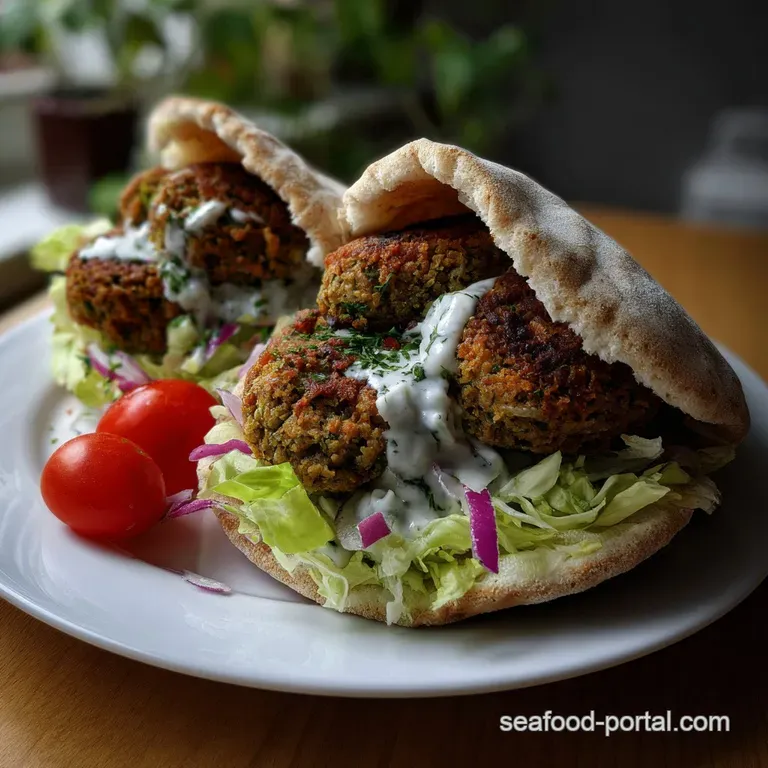
- Effort/Time: Moderate | 35 minutes active (plus 24 hour soak)
- Flavor Hook: Nutty, cumin-forward crunch paired with a velvety tahini finish.
- Perfect for: High-protein meal prep or crowd-pleasing weekend mezze platters, complementing any side you choose for What to Serve with Falafel Pitas.
- Mastering the Ultimate What to Serve with Falafel Pitas
- The Botanical Blueprint: Selecting Your Core Components
- Critical Technical Specifications and Nutritional Benchmarks
- Precision Mechanical Interfaces for Optimal Texture
- Thermodynamic Execution and Assembly Protocol
- Failure Mode Analysis and Structural Integrity Solutions
- ⚗️ The Scaling Lab: The Physics of Quantity
- Chemical Modifications for Custom Flavor Profiles
- Common Myths Debunked
- Preservation Physics and Thermal Regeneration Strategies
- Orchestrating the Perfect Accompaniments to Serve with Falafel Pitas
- Recipe FAQs
- 📝 Recipe Card
There is nothing more demoralizing than spending $30 on fresh herbs and organic oils only to watch your falafel disintegrate into a gritty, oil-logged mess the second they hit the heat.
That financial and emotional sting of a failed batch where the exterior is burnt charcoal and the interior remains a pasty, raw sludge is enough to make any cook retreat to store-bought frozen pucks.
It is a texture failure that ruins the entire promise of a vibrant, fresh meal, no matter the accompaniments you planned for What to Serve with Falafel Pitas.
I have been there; I once destroyed four consecutive batches of dough by stubbornly using canned chickpeas, thinking I could "fix" the moisture content with excess flour. I ignored the fundamental physics of starch gelatinization and paid the price in heavy, leaden balls that felt more like wet sand than the light, airy fritters I craved.
It took a deep dive into Middle Eastern technique and several "I messed up" realizations to understand that you cannot shortcut the hydration process required for perfect What to Serve with Falafel Pitas.
The secret to a world class result lies in the Science of the Dry Soak. By allowing 1 lb dried chickpeas to hydrate slowly over 24 hours, we maintain the integrity of the starch granules, which only fully gelatinize during the over high heat fry.
This creates a structural "shatter" on the outside while the baking soda reacts with the acidic lemon juice to create tiny CO2 pockets, resulting in a velvety, aerated crumb. When you finally bite through that mahogany crust into the herb scented center, the auditory crunch followed by the steam release of aromatics is your scientific proof of success, and the perfect base for deciding What to Serve with Falafel Pitas.
Mastering the Ultimate What to Serve with Falafel Pitas
Yes, the most effective components to Serve with Falafel Pitas are those that provide high acid contrast and textural variance, such as pickled red onions and creamy tahini, which can be stored in the fridge for up to 7 days.
The high fat content of the tahini helps carry the fat-soluble flavor compounds of the cumin and coriander, ensuring the spice profile lingers on the palate. Understanding these pairings is essential for great What to Serve with Falafel Pitas.
- Legume Architecture: Dried chickpeas provide the raw starch needed for structural binding without the gummy texture of pre-cooked canned versions.
- Pectin Breakdown: The 1/2 tsp baking soda weakens the hemicellulose in the chickpea skins, ensuring a creamy interior despite the rapid cooking time.
- Herbal Volatility: Using 1 cup fresh parsley and 1 cup fresh cilantro creates a moisture buffered green paste that steams from within, keeping the core moist while the exterior sears.
- Emulsion Stability Mastery: The 1 cup tahini sauce acts as a bridge, using its natural lecithin to bind the water based lemon juice and oil-based fats into a silk like dressing.
Ingredient Chemistry Breakdown
| Ingredient | Chemical/Physical Role (Science) | The Pro Secret (Why This Matters) |
|---|---|---|
| 1 lb Dried Chickpeas | Native starch reservoir for structural binding | Canned chickpeas have pre-gelatinized starch, leading to mushy, structural failure. |
| 1/2 tsp Baking Soda | Alkaline pH modifier to soften cellular fiber | Accelerates the breakdown of tough skins while promoting a fluffy, aerated interior. |
| 1 cup Fresh Parsley | Moisture buffer and volatile oil source | Provides the essential "green" moisture that steams the center without adding density. |
| 2 cups Neutral Oil | Heat transfer medium for Maillard reaction | High smoke point oil ensures a mahogany crust at 350°F without imparting off-flavors. |
The Botanical Blueprint: Selecting Your Core Components
When deciding what to Serve with Falafel Pitas, the quality of your raw materials dictates the final sensory experience. For instance, using Diamond Crystal Kosher Salt ensures even distribution of salinity without the harsh metallic bite of table salt.
I highly recommend using a Cuisinart Food Processor to achieve the specific coarse sand texture required for the falafel base; a blender will likely over process the mixture into a puree, ruining the structural integrity.
The components you select directly impact the experience of What to Serve with Falafel Pitas.
| Original Ingredient | Substitute | Why It Works |
|---|---|---|
| 1 lb Dried Chickpeas | Dried Broad Beans (Fava) | Traditional Egyptian style; offers a nuttier, slightly denser mouthfeel. |
| 1/2 cup Yellow Onion | 3 large Shallots | Why this? Shallots have lower water content and higher sugar for better caramelization. |
| 1 cup Tahini Sauce | Greek Yogurt (Full fat) | Offers a lactic tang and protein rich creaminess, though lacks the sesame nuttiness. |
| 5 Large Pita Breads | Collard Green Wraps | Why this? Provides a structural, low-carb vessel with a fresh, snap like texture. |
| 2 tsp Ground Cumin | Toasted Cumin Seeds (Crushed) | Why this? Toasting releases essential oils (cuminaldehyde) for 10x more aromatic punch. |
Critical Technical Specifications and Nutritional Benchmarks
The success of this recipe relies on strict adherence to the thermal and volumetric data below. The high fiber content measured at 21.8 g per serving comes from the 1 lb dried chickpeas, providing sustained satiety for 4 6 hours.
Note that the total fat count includes the 2 cups of neutral oil used for frying, though only a fraction is absorbed if the oil temperature is maintained precisely at 350°F (175°C). Learning these specs is key to mastering What to Serve with Falafel Pitas.
- Prep Time: 20 minutes (plus 24 hour soak)
- Cook Time: 15 minutes
- Yield: 5 servings
- Service Temperature: 145°F (63°C) for the falafel core
Precision Mechanical Interfaces for Optimal Texture
To execute this properly, you need a heavy bottomed vessel like a Lodge Cast Iron Skillet or a Dutch oven to maintain thermal mass. When you drop the cold falafel mixture into the oil, the temperature will plummet; the thick iron walls of the skillet mitigate this "thermal shock," preventing the fritters from soaking up excess grease.
A Taylor Precision Products Digital Thermometer is non-negotiable for monitoring the oil's 350°F sweet spot. The right tools make everything easier, especially when planning What to Serve with Falafel Pitas.
- Cuisinart Food Processor: Essential for achieving the "gritty sand" texture without liquefying the herbs.
- Lodge 12 inch Cast Iron Skillet: Provides the necessary thermal inertia for consistent frying.
- Small Cookie Scoop (1.5 tbsp): Ensures uniform volume for even cooking times across the batch.
- Fine Mesh Spider Strainer: Allows for rapid removal of the fritters to prevent over browning.
Thermodynamic Execution and Assembly Protocol
The following steps must be followed with specific attention to sensory cues. If the oil doesn't sizzle immediately upon contact, the temperature is too low, and the falafel will absorb oil like a sponge.
Perfecting this process ensures your final assembly including any elements of What to Serve with Falafel Pitas—is structurally sound.
- Pulse the soaked 1 lb dried chickpeas in a Cuisinart food processor until the texture resembles coarse, wet sand.
- Add 1 cup parsley, 1 cup cilantro, 1/2 cup yellow onion, and 4 garlic cloves. Note: Keeps aromatics suspended.
- Incorporate 1 tbsp lemon juice, 2 tsp cumin, 1 tsp coriander, 1.5 tsp kosher salt, and 1/4 tsp cayenne until a vibrant green paste forms that holds together when squeezed.
- Stir in 1/2 tsp baking soda and 2 tbsp toasted sesame seeds by hand until evenly distributed.
- Refrigerate the mixture for 30 minutes until the starches settle and the mixture feels firm/cold to the touch.
- Heat 2 cups neutral oil in a Lodge skillet until a thermometer reads 350°F and a small test piece of dough sizzles violently.
- Scoop 1.5 tbsp portions and gently drop into the oil until the bottom edges turn mahogany brown (about 3 minutes).
- Flip carefully and fry for another 2 3 minutes until the exterior is shattering crisp and the aroma is nutty and toasted.
- Drain on a wire rack until the hissing sound of escaping steam subsides.
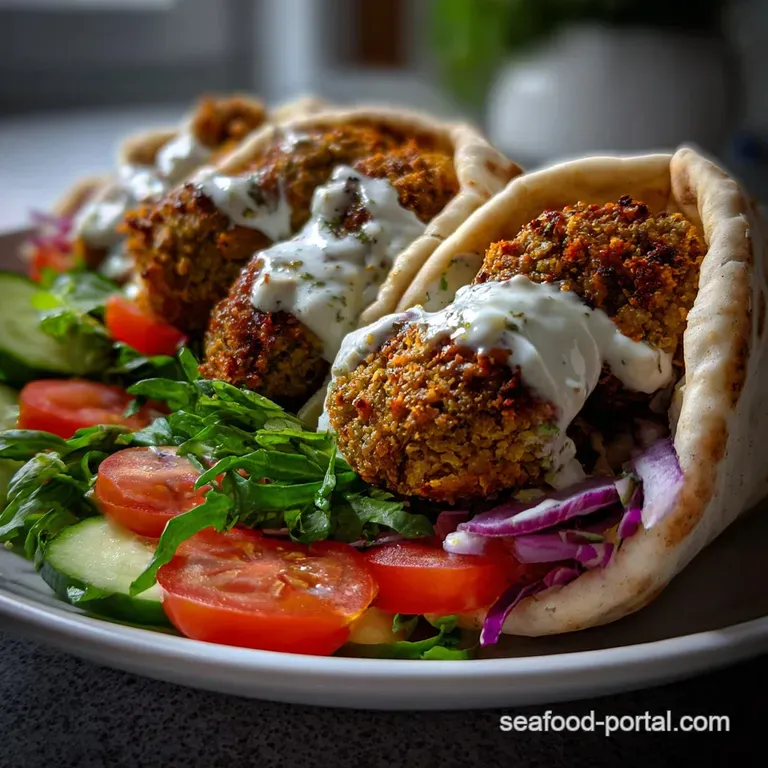
- Stuff into 5 large pitas with 2 cups shredded romaine, 1 cup cucumbers, 1 cup tomatoes, and 1/4 cup pickled onions. This is the classic answer to What to Serve with Falafel Pitas.
- Drizzle with 1 cup tahini sauce until the crevices are filled and the sauce begins to pool slightly.
Failure Mode Analysis and Structural Integrity Solutions
Why Your Falafel Shatters in the Oil
If your fritters are disintegrating the moment they hit the oil, it is usually a result of excess moisture or improper binding. When the internal water content is too high, it turns to steam too rapidly, blowing the chickpea structure apart before the exterior can set.
| Problem | Root Cause | The Fix | Pro Protocol |
|---|---|---|---|
| Falling apart | Too much moisture/Canned beans | Use only dried/soaked beans; pat dry before pulsing | Chill the mixture for 1 hour to allow starches to hydrate. |
| Greasy/Oily | Oil temperature too low (<325°F) | Increase heat; wait for recovery between batches | Use a cast iron skillet for better thermal mass retention. |
| Raw center | Temperature too high/Balls too big | Lower heat to 350°F; flatten balls into discs | Keep portions to 1.5 tbsp for optimal heat penetration. |
1. The Power of the Dry Soak
Using dried chickpeas is the most critical factor for success with Falafel Pitas. The 24 hour soak hydrates the legume without cooking it, leaving the starch granules intact. During the frying process, these starches undergo "gelatinization" simultaneously with the "Maillard reaction" on the surface, creating a dual layered texture that canned beans simply cannot replicate.
This foundation ensures that whatever you choose for What to Serve with Falafel Pitas will taste its best.
2. Herb Infused Hydration
The 1 cup of parsley and 1 cup of cilantro aren't just for flavor; they provide the moisture necessary for the interior to steam. This internal steam creates pressure that actually pushes back against the oil, preventing it from penetrating the core. For a unique flavor profile similar to the aromatics in a Shrimp with Garlic Sauce recipe, ensure your herbs are bone dry before pulsing to avoid adding literal water to the mix.
3. pH Balance and Aeration
The 1/2 tsp of baking soda is your secret weapon for light, airy results. It creates an alkaline environment that weakens the pectin in the chickpea cell walls, allowing them to soften quickly.
When this alkaline base hits the heat and the acidic lemon juice, it produces a minor leavening effect, preventing the falafel from becoming a "dense lead ball." This internal lightness is what separates a great falafel from a mediocre plate of What to Serve with Falafel Pitas.
⚗️ The Scaling Lab: The Physics of Quantity
When you decide to double this recipe to Serve with Falafel Pitas for a large party, you must respect the non-linear physics of the kitchen. Thinking about how to scale side dishes is as important as scaling the main event when considering What to Serve with Falafel Pitas.
- The Square Cube Law: If you double the size of the falafel balls, the volume increases eightfold, but the surface area only quadruples. The result? A burnt outside and a raw, doughy center. Keep the balls small (1.5 tbsp) regardless of batch size.
- Thermal Mass Recovery: Doubling the number of falafel dropped into the oil will cause the temperature to crash. If the oil drops below 300°F (150°C), the Maillard reaction stops, and the falafel will steam in oil rather than fry. Mandatory instruction: Fry in batches of no more than 6 units at a time.
- Flavor Saturation: When doubling the 2 tsp cumin and 1 tsp coriander, scale the spices to 1.5x (3 tsp cumin, 1.5 tsp coriander) rather than 2x. Spices possess a cumulative aromatic intensity that can become overpowering in larger volumes.
- Carry Over Cooking: Larger batches held in a warm oven will continue to cook internally. Pull the falafel from the oil when they are a shade lighter than your target "mahogany," as the retained heat will darken them another 10% while they drain.
Chemical Modifications for Custom Flavor Profiles
While the base recipe is classic, you can adjust the "Flavor Architecture" to suit different palates. If you’re looking for a lighter, more refreshing pairing, you might Serve with Falafel Pitas alongside a clean protein like a Poached Cod with recipe. Customizing the spices is a frequent alteration when considering What to Serve with Falafel Pitas.
- The Spicy Kick: Add 1 finely diced jalapeño (seeds removed) to the processor. The capsaicin will bond with the fats in the tahini, creating a slow burn finish.
- The Smokey Twist: Swap 1 tsp of the cumin for smoked paprika. This introduces a "char grilled" sensory note without needing a grill.
- Diet Swaps: For a gluten-free version, ensure your 5 large pitas are replaced with high-quality gluten-free wraps or served as a "deconstructed" bowl over 1 cup diced Persian cucumbers.
Chef's Note: Never use a blender. The high RPM of a blender blade creates too much friction, heating the starches and turning your falafel base into a gummy hummus paste that will never crisp up.
Common Myths Debunked
Myth: You can use canned chickpeas if you add enough flour. Truth: Flour creates a "cakey" and heavy texture. The native starches in dried, soaked chickpeas are the only way to achieve the signature "shatter" and light interior.
Myth: The oil is ready when it "looks" hot. Truth: Visual cues are deceptive. Only a digital thermometer can confirm the 350°F required to trigger the Maillard reaction before the oil-soaked "sponge effect" takes over.
This precision is vital to making a good meal regardless of what you decide for What to Serve with Falafel Pitas.
Preservation Physics and Thermal Regeneration Strategies
Storage: - Fridge: Store cooked falafel in an airtight container for up to 4 days. Note: The crust will lose its "shatter" due to moisture migration from the herb rich center. - Freeze: You can freeze the raw, shaped discs for up to 3 months.
Fry them directly from frozen, adding 2 minutes to the cook time.
Reheating: Avoid the microwave! The microwave excites water molecules, turning the internal moisture into steam that softens the crust, resulting in a rubbery texture. Instead, use an air fryer at 350°F for 5 minutes or a toaster oven until the exterior sizzles.
This "re-gelatinizes" the surface starches, restoring some of the original crunch. The reheating method profoundly affects the eating experience for What to Serve with Falafel Pitas.
💡 ZERO WASTE PHILOSOPHY: Don't discard the herb stems from your parsley and cilantro! Transform: Pulse them into a zesty chimichurri or add them to a vegetable stock.
Science: The stems contain higher concentrations of volatile oils and fiber than the leaves, providing an intense aromatic punch and valuable cellulose.
Orchestrating the Perfect Accompaniments to Serve with Falafel Pitas
To truly round out the meal, focus on balance. The falafel is earthy, warm, and fried. Your sides should be cool, crisp, and acidic. Serving this alongside a PanSeared Tilapia with recipe can provide a lean protein contrast for those looking to expand the mezze table. Always consider the freshness of your vegetables when planning What to Serve with Falafel Pitas.
- The Acid Factor: 1/4 cup pickled red onions are essential. The acetic acid cuts through the 41.5 g of fat, refreshing the palate between bites.
- The Textural Contrast: 1 cup diced Persian cucumbers provide a "water rich" snap that offsets the dry, nutty crumb of the fried chickpea.
- The Umami Bridge: 1 cup tahini sauce provides a savory, bitter depth that complements the toasted sesame seeds.
When you bring all these elements together the 24 hour soaked chickpeas, the precision fried mahogany crust, and the vibrant, high acid toppings you aren't just making a sandwich. You are engineering a balanced, high protein masterpiece.
Whether you are wondering what to Serve with Falafel Pitas for a quick lunch or a decadent dinner, remember that the science of the crunch is your ultimate guide to success. The ultimate question remains: What to Serve with Falafel Pitas that completes the experience?

Recipe FAQs
What's the best quick side to serve with falafel pitas?
Pickled red onions and creamy tahini sauce. The acid in the pickles cuts the richness of the fried fritters perfectly, while the tahini provides necessary fat and emulsified mouthfeel.
Should I serve the falafel hot or warm?
Serve them hot, fresh from the fryer. The structural integrity relies on the immediate heat differential between the crisp exterior and the steaming interior.
Can I serve falafel with a heavy, tomato based stew?
No, heavy sauces mute the herb flavor. The high water content and acidity of tomato bases often clash with the specific balance of coriander and cumin in the fritter itself. Stick to yogurt or tahini dressings to preserve the inherent aromatics.
Is it better to serve falafel with rice or in a pita?
Pita bread for authenticity and handheld ease. While rice works, pita creates a self contained pocket where the texture contrast between the crust, soft bread, and toppings is maximized, creating the intended sensory experience.
Why do my toppings make the falafel soggy immediately?
Excess free water destroys the Maillard crust. When topping, you must ensure all vegetables are patted dry, as liquid pooling creates steam which softens the delicate fried exterior before eating.
- Avoid watery tomatoes
- Drain excess pickle brine well
- Assemble immediately before serving
What vegetarian item pairs well with falafel?
A cool, crisp cucumber dill salad offers needed contrast. This pairing introduces clean vegetal notes and a high water content that balances the dense, earthy legume base.
If you mastered the stable emulsion in the tahini sauce, you will find a similar principle of binding fats and water useful in crafting vinaigrettes for this salad.
Myth: I can substitute dried fava beans for chickpeas.
Myth: You can use canned chickpeas if you add more flour. Reality: Canned beans have pre-gelatinized starch, resulting in a heavy, paste like interior regardless of added binders.
Best Sides For Falafel Pitas
Ingredients:
Instructions:
Nutrition Facts:
| Calories | 892 kcal |
|---|---|
| Protein | 31.2 g |
| Fat | 41.5 g |
| Carbs | 104.2 g |
| Fiber | 21.8 g |
| Sugar | 8.4 g |
| Sodium | 1180 mg |
