Best Shrimp Seasoning Recipe
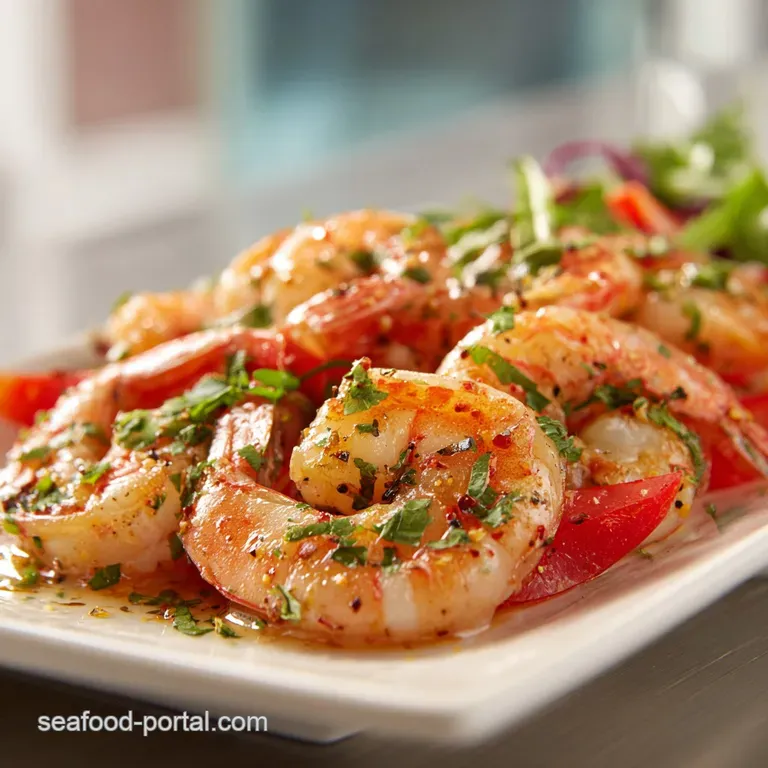
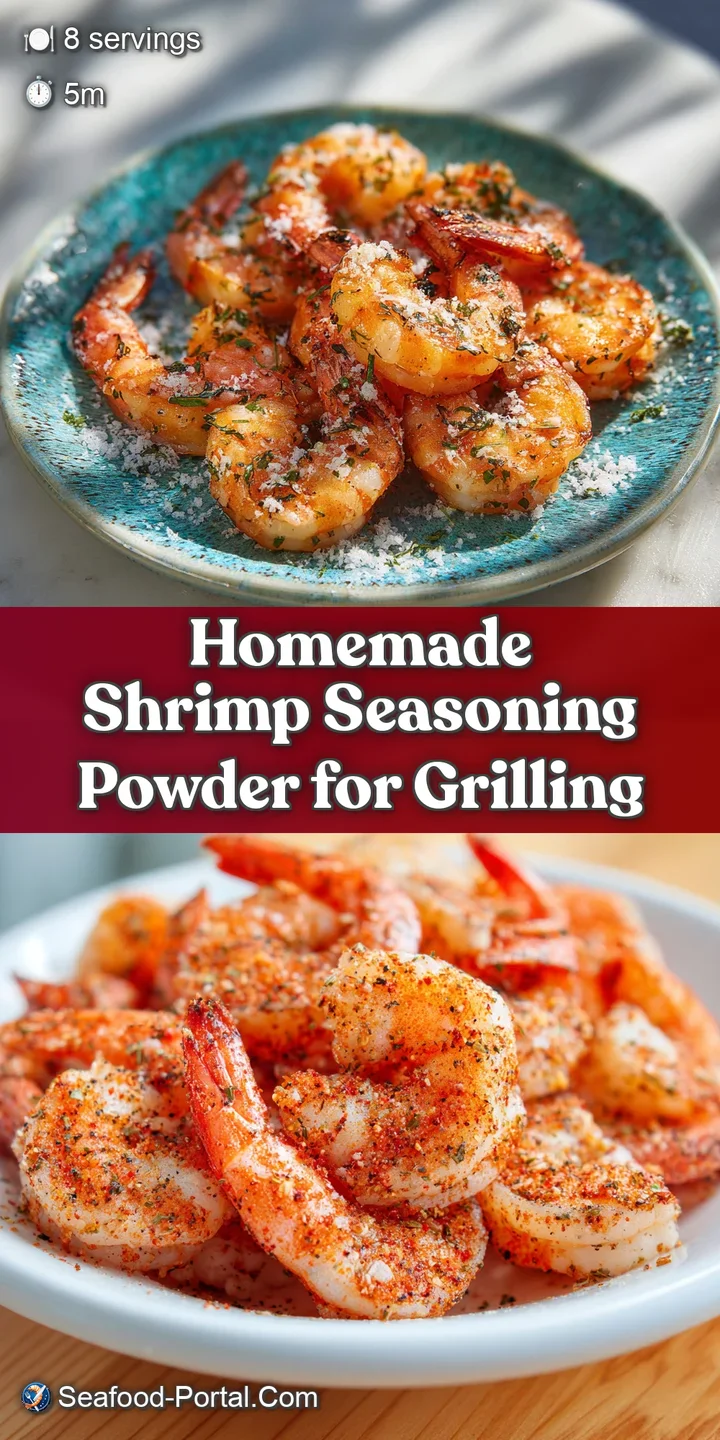
- Time: Active 5 minutes, Passive 0 minutes, Total 5 minutes
- Flavor/Texture Hook: Smoky mahogany crust with a zesty, herbaceous finish
- Perfect for: Quick weeknight dinners, summer grilling, or batch meal prepping
- Master the Perfect Shrimp Seasoning for Bold and Zesty Flavor
- Essential Recipe Specifications for Your Homemade Spice Blend Batch
- The Science Behind Your Favorite Pantry Staples and Flavors
- Minimal Tools Required for Mixing Your Perfect Seafood Rub
- Simple Steps for Mixing and Storing Your Homemade Blend
- How to Fix Common Spice Balance and Clumping Issues
- Delicious Ways to Customize Your Basic Seafood Seasoning Mix
- Smart Storage Solutions and Zero Waste Kitchen Seasoning Tips
- Perfect Pairing Ideas to Complete Your Seasonal Seafood Menu
- Recipe FAQs
- 📝 Recipe Card
Master the Perfect Shrimp Seasoning for Bold and Zesty Flavor
You know that specific, intoxicating scent when smoked paprika hits a hot pan? It is earthy, sweet, and just a little bit dangerous. I remember the exact Tuesday night I gave up on store-bought packets.
I was staring at a bag of frozen prawns, a ticking clock, and a packet of "seafood mix" that looked mostly like orange salt. I decided to raid the spice cabinet instead, tossing together smoked paprika, a pinch of sugar, and some dried oregano. The moment those shrimp hit the skillet, the kitchen transformed.
The aroma was rich and complex, a far cry from the dusty, one note flavor of the pre made stuff.
That night was a lesson in the power of contrast. The light brown sugar in the mix didn't make the shrimp "sweet" in a dessert way; instead, it hit the hot oil and created this incredible mahogany crust that snapped when I bit into it. Inside, the shrimp stayed tender and velvety.
It is that play between the bright, herbaceous oregano and the deep, smoldering heat of the cayenne that makes this Shrimp Seasoning a staple in my kitchen. We are going for a balance of rich and bright, crisp and succulent, all in one bite.
If you have ever struggled with shrimp that tastes "fine" but looks pale and uninspiring, this is your fix. We are not just adding flavor; we are engineering a texture. By mixing our own dry rub, we control the moisture and the salt, ensuring every prawn comes out of the pan looking like it belongs on a magazine cover.
Right then, let's get into the details of how to make this work in your own kitchen.
Essential Recipe Specifications for Your Homemade Spice Blend Batch
Before we start measuring, let's look at how this DIY version stacks up against the classic store-bought options. Most commercial blends are loaded with anti caking agents and fillers that can dull the vibrant colors of your spices. By making this at home, you get a much punchier result with a better sear.
| Feature | Fast (store-bought) | Classic (Homemade) |
|---|---|---|
| Color Impact | Dull orange/yellow | Vibrant mahogany red |
| Sodium Control | Often over 50% salt | Fully adjustable |
| Texture Result | Can be gritty or sandy | Smooth, caramelized crust |
- Precision Checkpoint 1
- Always use 1 tsp of light brown sugar per 8 servings to ensure caramelization without burning.
- Precision Checkpoint 2
- Aim for an internal shrimp temperature of 120°F (49°C) for the most succulent results.
- Precision Checkpoint 3
- This recipe yields exactly 8 servings, roughly 1 tablespoon of seasoning per pound of seafood.
The Science Behind Your Favorite Pantry Staples and Flavors
The Science of the Mahogany Crust: The light brown sugar undergoes pyrolysis at high temperatures, reacting with the shrimp's proteins to create a deep brown color and complex flavor.
This happens much faster than the standard Maillard reaction alone, giving you a better sear before the shrimp overcooks.
- Hygroscopic Balance: Salt draws out a tiny amount of moisture from the surface of the shrimp, which then dissolves the spices into a concentrated "glaze" that sticks to the meat.
- Aromatic Volatility: Grinding the black pepper fresh releases essential oils that provide a sharp, floral bite that pre ground pepper simply cannot match.
- Fat Solubility: Many of the flavor compounds in paprika and garlic powder are fat soluble, meaning they taste better when they hit the oil in your pan or grill.
- Thermal Stability: Dried oregano is used instead of fresh because it maintains its structural integrity and flavor profile under over high heat searing conditions.
Since shrimp can be cooked in a dozen different ways, choosing your method matters for how the seasoning behaves.
| Method | Time | Texture | Best For |
|---|---|---|---|
| Cast Iron Skillet | 4-5 mins | Crispy, dark crust | Maximum flavor depth |
| Air Fryer | 6-8 mins | Firm and snappy | Healthy, oil free prep |
| Grill (Skewers) | 5-6 mins | Smoky and charred | Summer gatherings |
Ingredient Science Table
| Ingredient | Science Role | Pro Secret |
|---|---|---|
| Smoked Paprika | Color and smoke base | Store in a cool, dark place to prevent flavor oxidation. |
| Garlic Powder | Sulfur based umami | Use powder rather than fresh garlic for over high heat rubs to avoid burning. |
| Light Brown Sugar | Caramelization catalyst | Pack it tightly when measuring to ensure the correct moisture to sugar ratio. |
| Dried Oregano | Herbaceous top note | Rub the leaves between your palms to "wake up" the oils before mixing. |
Minimal Tools Required for Mixing Your Perfect Seafood Rub
You don't need a lab full of gadgets to get this right, but a few specific tools make a world of difference. First, grab a small glass jar with a tight fitting lid. Glass is better than plastic because it doesn't absorb the strong scents of garlic and onion powder, meaning you can wash it and reuse it for something else later without lingering smells.
A fine mesh sieve is my "secret weapon" here. If your onion or garlic powder has been sitting in the pantry for a few months, it might have developed tiny clumps. Sifting the spices together ensures that you don't end up with a huge "garlic bomb" on one shrimp and nothing on the next.
It makes the application much more even. Finally,, a small whisk or even a fork is essential for breaking up the brown sugar and ensuring the cayenne is distributed evenly throughout the mix.
Chef's Tip: Freeze your light brown sugar for 10 minutes before mixing if it is particularly soft. This makes it easier to crumble into a fine powder that blends seamlessly with the dry spices.
Simple Steps for Mixing and Storing Your Homemade Blend
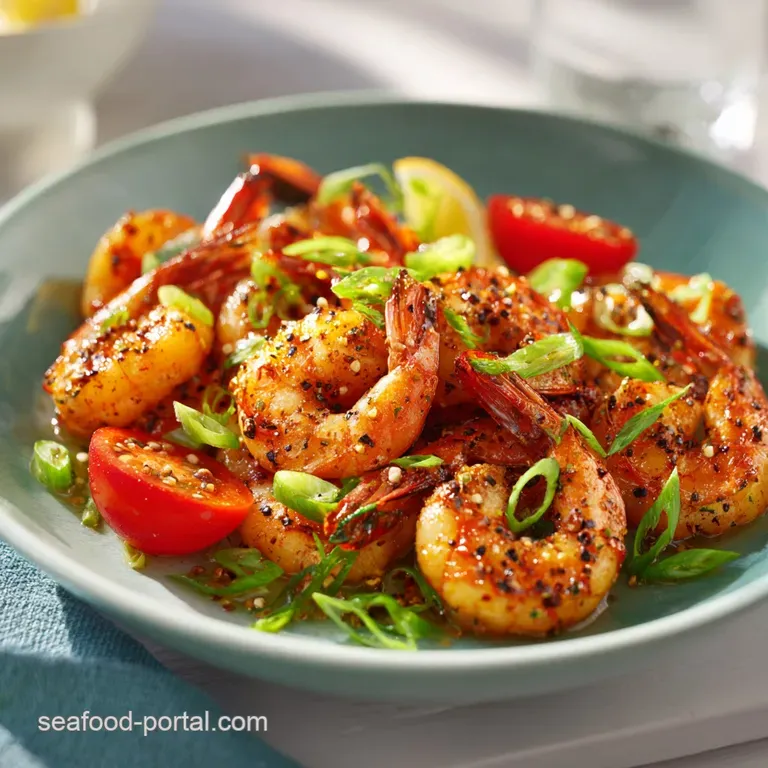
Let's get down to the actual making. This process is fast, but doing it in the right order ensures a shelf stable and delicious result. This mix is the perfect foundation for a Shrimp Scampi recipe if you want to skip the heavy butter and go for a more spice forward vibe.
- 2 tbsp Smoked Paprika (14g) Why this? Provides the base color and deep, wood fired aroma.
- 1.5 tbsp Garlic Powder (15g) Why this? Offers consistent savory flavor that won't burn like fresh cloves.
- 1 tbsp Onion Powder (10g) Why this? Adds a subtle sweetness and aromatic depth.
- 1 tbsp Dried Oregano (3g) Why this? The essential Mediterranean herb for brightness.
- 1 tsp Cayenne Pepper (2g) Why this? Provides a clean, sharp heat that lingers.
- 1 tsp Kosher Salt (6g) Why this? Large grains draw out moisture more effectively than table salt.
- 1 tsp Freshly Cracked Black Pepper (3g) Why this? For a floral, pungent kick.
- 1 tsp Light Brown Sugar (4g) Why this? Key for that dark, caramelized exterior.
1. Measure and Sift
Combine the 2 tbsp smoked paprika, 1.5 tbsp garlic powder, and 1 tbsp onion powder into a bowl. Note: Sifting prevents "spice clumps" from sticking to the seafood.
2. The Homogenization Phase
Add the 1 tbsp dried oregano, 1 tsp cayenne, 1 tsp kosher salt, and 1 tsp black pepper. Whisk until the color is a uniform, vibrant red orange.
3. Incorporate the Sweetener
Crumble the 1 tsp light brown sugar into the mix using your fingers. Mix until no large lumps of sugar remain visible.
4. Preparation for Use
Pat your shrimp completely dry with paper towels. Note: Moisture is the enemy of a good sear; dry shrimp equals a better crust.
5. The Proper Application
Toss the shrimp with 1 tbsp of oil, then sprinkle the seasoning over them. Wait 2 minutes for the salt to begin working its magic.
6. Heat the Surface
Preheat your skillet or grill to medium high heat. Listen for a sharp sizzle when the first shrimp touches the pan.
7. The First Sear
Lay the shrimp in a single layer, ensuring they aren't touching. Cook 2 mins until the edges turn opaque and pink.
8. The Flip and Finish
Turn the shrimp over and cook for another 1-2 mins. Look for a matte, mahogany finish on the seasoned side.
9. Resting Period
Remove from heat immediately. Let them rest for 1 min until the carryover heat finishes the centers.
| Original Ingredient | Substitute | Why It Works |
|---|---|---|
| Smoked Paprika | Sweet Paprika + 1 drop Liquid Smoke | Provides color, though the flavor is less complex. |
| Light Brown Sugar | Coconut Sugar | Similar caramelization point with a slightly nuttier profile. |
| Kosher Salt | Sea Salt (Fine) | Same saltiness, but use 25% less by volume due to grain size. |
How to Fix Common Spice Balance and Clumping Issues
Even with a simple mix, things can go sideways. The most common mistake I see is "steaming" the shrimp. If you wash your shrimp and don't dry them perfectly, the seasoning turns into a wet paste. Instead of a "shatter" of flavor, you get a soggy, boiled texture. But what about the saltiness?
If you find the mix too salty, it is usually because you used fine table salt instead of kosher salt.
For Clumping Issues
If your seasoning looks like little pebbles instead of powder, it is likely due to humidity. Light brown sugar is a humectant, meaning it grabs water out of the air. If this happens, don't throw it out. You can actually pulse the mixture in a clean coffee grinder for 3 seconds to restore the powdery texture.
Just don't go too long, or the heat from the blades will melt the sugar!
For Excessive Saltiness
If the final dish tastes like a salt lick, the easiest fix is acid. A heavy squeeze of fresh lemon juice or a splash of white wine vinegar reacts with the salt on your palate, effectively "resetting" your taste buds.
For your next batch, increase the onion powder by half a tablespoon to balance the profile without adding more sodium.
| Problem | Root Cause | Solution |
|---|---|---|
| Soggy Crust | Excess moisture on shrimp | Pat shrimp bone dry before seasoning. |
| Burned Spices | Heat too high for sugar | Reduce heat to medium high (375°F/190°C). |
| Bland Flavor | Old/stale spices | Replace spices every 6 months for maximum potency. |
Common Mistakes Checklist:
- ✓ Pat shrimp completely dry with three layers of paper towels.
- ✓ Never crowd the pan; cook in two batches if necessary.
- ✓ Use oil with a high smoke point like avocado or grapeseed oil.
- ✓ Don't season the shrimp more than 10 minutes before cooking (it gets mushy).
- ✓ Preheat the pan for at least 3 minutes before adding the oil.
Delicious Ways to Customize Your Basic Seafood Seasoning Mix
Scaling this recipe up for a big barbecue is a breeze. If you are doing a massive batch (4x the recipe), I usually suggest keeping the cayenne pepper at 3 tsp rather than 4 tsp, as the heat can compound unexpectedly in large volumes.
For liquids, if you're using this as a wet marinade base, reduce any added lemon juice by 10% to keep the spice rub from becoming too diluted.
For a Zesty Kick
If you love that bright, citrusy finish, try adding the zest of two lemons directly into the dry mix. You will need to use the seasoning immediately, as the fresh zest will eventually make the rest of the spices clump up. It creates a profile very similar to what you'd find in a high end Shrimp with Garlic Sauce recipe.
For a Low Sodium Diet
You can actually omit the salt entirely from this blend. To compensate for the loss of flavor "punch," double the amount of smoked paprika and add a half teaspoon of mustard powder. The mustard provides a similar "back of the throat" zing that mimics the sharpness of salt without the sodium.
Myths about Seasoning Seafood
- Myth: You must marinate shrimp for hours. Truth: Because shrimp are small and porous, 5-10 minutes is all you need. Anything longer can actually start to "cook" the shrimp in the salt/acid, making them rubbery.
- Myth: Sugar in a rub always makes it taste like candy. Truth: At low percentages, sugar acts as a browning agent, enhancing the savory Maillard reaction rather than making it sweet.
- Myth: Fresh garlic is always better than powdered. Truth: For over high heat searing, fresh garlic bits burn and turn bitter long before the shrimp are done. Powdered garlic is the professional choice for dry rubs.
Smart Storage Solutions and Zero Waste Kitchen Seasoning Tips
This Shrimp Seasoning will stay fresh in an airtight jar for up to 6 months. After that, the oils in the paprika and oregano start to fade, and it will lose its "wow" factor. Keep it in a dark pantry, not on the counter next to the stove, as heat is the fastest way to kill the flavor of your hard earned spice mix.
Don't let any leftover mix go to waste. If you have a tablespoon left over after your shrimp dinner, it makes an incredible seasoning for roasted chickpeas or even popcorn. The smoky sweet profile is surprisingly versatile.
If you have "bottom of the bag" shrimp pieces that are too small for a main dish, toss them in the seasoning, fry them up, and use them as a "crunchy topper" for a Caesar salad or a bowl of creamy grits.
Perfect Pairing Ideas to Complete Your Seasonal Seafood Menu
When you have shrimp this bold, you want sides that offer a cool, refreshing contrast. A simple cucumber and radish salad with a light vinaigrette works wonders. The crunch of the vegetables cleanses the palate between bites of the smoky, seasoned shrimp.
If you're looking for something heartier, a bed of coconut rice adds a tropical sweetness that pairs beautifully with the cayenne heat.
For another decadent treat, try Shrimp and Crab recipe. You can actually use a pinch of this dry rub in the filling of the ravioli to tie the whole seafood feast together. The smokiness of the paprika adds an unexpected depth to the delicate crab meat, making the whole dish feel much more "chef designed" and thoughtful. Trust me, once you start making your own blends, you will never look at those supermarket tins the same way again. Happy cooking!
Recipe FAQs
What spices go well with shrimp?
Smoked paprika, garlic powder, onion powder, cayenne, and dried oregano make an excellent versatile base.
These ingredients balance deep smoke with herbaceous brightness and a controlled heat level that enhances natural shrimp flavor without overwhelming it. A small amount of light brown sugar helps achieve superior caramelization.
When should you season your shrimp?
Season just before cooking, ideally 2 to 10 minutes prior.
Salt in the rub will start drawing moisture out of the shrimp almost immediately; marinating too long causes the exterior to soften and prevents a proper sear. For best results, toss them with oil first, then apply the dry seasoning.
What is a good seasoning for sauteed shrimp?
A blend featuring smoked paprika, garlic powder, and a touch of sugar is perfect for sauteing in a hot skillet.
The sugar encourages quick, dark browning (caramelization) at high heat, creating a flavorful crust before the delicate meat overcooks. This technique is central to developing rich flavor fast, similar to achieving proper searing in our Classic Shrimp Scampi recipe.
What to add to shrimp to make it taste better?
Add a source of balanced acid and fat immediately after cooking to brighten the flavor profile.
A squeeze of fresh lemon juice or a swirl of high-quality butter cuts through the richness and wakes up the savory spices. If you want depth, adding brown sugar to the rub ensures a complex, savory sweet crust.
How do I prevent my seasoning mix from clumping in storage?
Store the blend in an airtight container in a dark, cool pantry away from stove heat.
Humidity causes ingredients like brown sugar to absorb moisture and clump; if clumping occurs, sift the mix through a fine mesh sieve before use. If you are using fresh zest, use the mix within 24 hours.
Can I use my shrimp seasoning blend as a base for a thicker sauce?
Yes, you can adapt the dry rub into a flavorful base for thickening later.
Sauté the seasoning briefly in fat before adding liquid to bloom the spices; this intensifies their flavor before you add cream or stock. This principle of blooming spices works wonderfully when building complex flavors, much like the roux base for an Authentic Cajun Shrimp Etouffee recipe.
Is it true that brown sugar in a shrimp rub makes the dish taste sweet?
No, this is a common misconception when used in small amounts.
At concentrations of 1 teaspoon per pound of shrimp, the sugar primarily acts as a catalyst for the Maillard reaction, promoting a rich, mahogany crust rather than noticeable sweetness. It helps achieve superior textural contrast.
Best Shrimp Seasoning Blend
Ingredients:
Instructions:
Nutrition Facts:
| Calories | 20 kcal |
|---|---|
| Protein | 0.8 g |
| Fat | 0.3 g |
| Carbs | 4.4 g |
| Fiber | 1.3 g |
| Sugar | 0.7 g |
| Sodium | 291 mg |
