Seafood Boil: the Ultimate Bay Butter Recipe
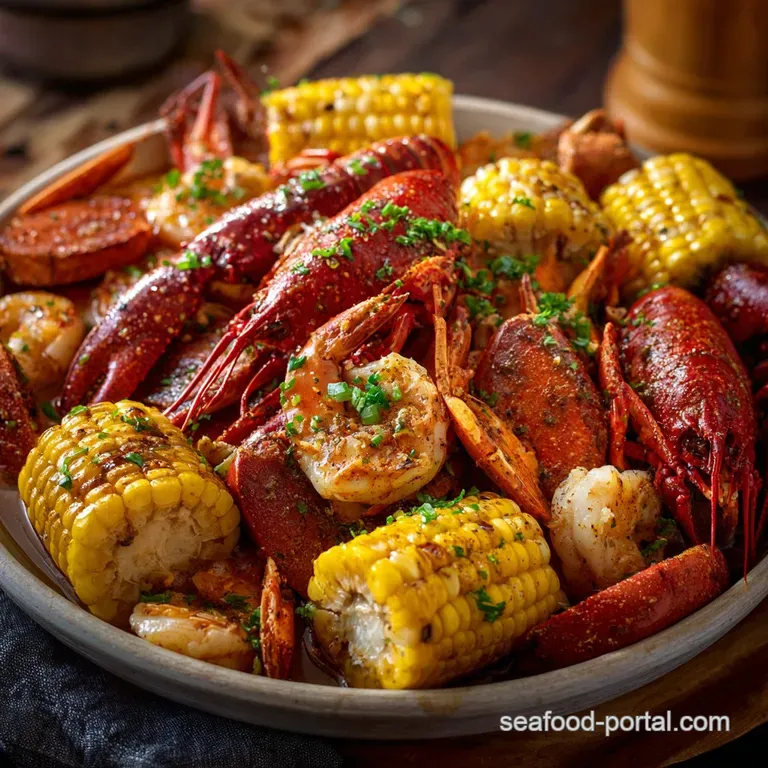
- The Ultimate Bay Butter Seafood Boil: Why This Recipe is Your New Tradition
- What You Need: Essential Seafood, Spices, and Starches
- Step-by-Step: From Broth Immersion to Bay Butter Coating
- Mastering the Layers of Flavor: The Science of Perfect Shellfish Texture
- Expert Advice: Avoiding the Most Common Boiling Mistakes
- Leftovers Strategy: Storing and Reheating Your Feast
- The Full Experience: Sides, Sauces, and Drink Pairings
- Recipe FAQs
- 📝 Recipe Card
The Ultimate Bay Butter Seafood Boil: Why This Recipe is Your New Tradition
When the steam hits your face, carrying that heady punch of Old Bay, garlic, and bright lemon, you instantly know a proper seafood boil is underway. That aroma isn't just cooking; it’s an invitation, a declaration that forks are banned and hands are required.
If you’re looking for a recipe that captures the messy, decadent, communal joy of the coast, you found it.
Listen, this might look like a lot of steps, but it’s actually the fastest, easiest way to feed a crowd without losing your mind. The beauty of a seafood boil is that everything cooks in one giant pot, and the only real labor is chopping a few potatoes.
It’s affordable, too, especially if you catch crab clusters on sale, and the payoff in flavor is epic.
We aren't just dumping shrimp in seasoned water here. This recipe is built on a two-step flavor strategy: first, a deep, aromatic boil broth, and second, a scandalous Bay Butter coating that makes this the ultimate homemade seafood boil . Trust me, you need this tradition in your life.
Defining the Bay Butter Difference (And Why It’s Superior)
The secret to an unforgettable seafood boil isn't just the quality of the crab; it’s the butter. Many recipes stop after the boil, leaving the ingredients flavorful but perhaps a little dry once they hit the plate.
Our method reserves a massive dose of seasoning extra Old Bay, paprika, and garlic to infuse into melted butter at the very end.
This approach means the seasoning doesn't get diluted into six liters of water. Instead, that liquid gold coats every piece of shellfish, sausage, and potato, clinging to all the crevices. This is why the Bay Butter difference matters. It guarantees that spicy, buttery kiss in every single bite.
Is a Seafood Boil Worth the Mess? (Addressing the Communal Feast)
Yes, absolutely. If you’ve ever hesitated because you think preparing a seafood boil is too complicated or too messy, stop right there. The mess is the point! This dish is an experience.
We skip the plates entirely, dumping the entire contents directly onto a table lined with newspaper or butcher paper.
Everyone digs in with their hands, and the shared effort of cracking shells and dunking bread is what makes it fun. It’s an exercise in pure, unrestrained feasting. I once tried to serve this on individual plates huge mistake. It lost all its soul.
Embrace the splash, grab a cold drink, and enjoy the best seafood boil you’ve ever hosted.
Essential Equipment for Scaling Up a Proper Boil
You need a proper vessel for a proper seafood boil . If you try to cram everything into a small soup pot, you’ll drop the water temperature too fast and end up with soggy potatoes and undercooked crab.
| Equipment | Why You Need It |
|---|---|
| 20 24 Litre Stockpot | Maintains a rolling boil, crucial for cooking shellfish quickly and evenly. |
| Spider Strainer | The fastest, safest way to lift and drain all the ingredients at once. A game changer. |
| Large Serving Tray/Sheets | Needed to drain everything properly before the butter bath. |
What You Need: Essential Seafood, Spices, and Starches
This section covers the absolute must haves for crafting a robust, flavorful, classic Cajun style seafood boil . Remember, quality ingredients equal a quality feast.
Choosing Your Catch: Crab, Shrimp, Crawfish, and Clams
I built this specific recipe around the "classic four" because they offer a fantastic mix of texture and flavor that stands up to the intense seasoning. Snow crab is great because the clusters are easy to manage and have high meat-to-shell ratio.
The shrimp must be shell-on. Do not use peeled shrimp! The shells protect the meat from overcooking and absorb that precious seasoning. For a phenomenal experience, make sure you properly scrub and purge your clams before adding them to the seafood boil .
Beyond Standard Spice Blends: Crafting the Signature Bay Butter Mix
Old Bay is non-negotiable for this type of seafood boil . It provides the necessary backbone the savory, peppery, celery salt complexity we love. However, relying only on the spice blend isn't enough.
We use smoked paprika in the broth for a deep, earthy color and flavor that mimics the Cajun influence without needing hours of simmering. Then, we use the dry oregano and extra chili flakes in the finishing butter to create a layer of heat that hits the tongue after the initial buttery richness.
This layering technique is what separates a good seafood boil recipe from a great one.
Strategic Substitutions for Shellfish Types and Potato Varieties
Don't panic if you can't find Snow Crab or Andouille. This easy seafood boil recipe is flexible. Here are some quick swaps:
| Ingredient | Viable Substitution | Notes |
|---|---|---|
| Snow Crab Clusters | King Crab or Dungeness Crab | Adjust cook time; King Crab may need a few extra minutes. |
| Andouille Sausage | Spicy Chorizo or Cajun Hot Links | Use a smoked, pre-cooked sausage with good fat content. |
| Small Red Potatoes | Yukon Golds | They hold their shape wonderfully. Avoid Russets, which get mushy fast. |
| Clams | Mussels (about 1.5 lbs) | Mussels cook faster, so add them with the shrimp (Phase 2, Step 5). |
step-by-step: From Broth Immersion to Bay Butter Coating
Getting the timing right is the most critical element of any shrimp boil recipe with vegetables . Because the ingredients cook at different speeds, we have to stage the entry into the pot to ensure everything is perfect simultaneously.
Phase 1: Preparing the Aromatics and Building the Boil Base
Start strong. Fill your massive stockpot with water and add the kosher salt, half cup of Old Bay, smoked paprika, lemons, onion, and smashed garlic. Bring this beautiful mess to a hard, rolling boil. Let it boil vigorously for 10 minutes.
This creates the fragrant, deeply spiced base for your seafood boil .
Chef's Note: Smashed garlic releases flavor faster than minced or whole cloves. Use the side of your knife and give them a good whack!
Phase 2: Staggering the Cook Times for Potatoes and Corn
Next, we add the solids that take the longest. Drop the red potatoes and the sliced smoked sausage into the actively boiling broth. Simmer for 10– 12 minutes. You want the potatoes to be tender, but not falling apart.
They should still offer a slight resistance when pierced that’s the perfect stage for the start of this homemade seafood boil .
When the potatoes are almost done, add the corn. The corn only needs 5 minutes of over high heat cooking. Adding it now ensures it stays crisp tender and doesn't get waterlogged while the seafood finishes.
Phase 3: The Shellfish Drop and Heat Management (Achieving Perfect Tenderness)
This is the quick part! Add the crab clusters and the clams first. Cover the pot to trap the steam, which helps the clams open rapidly. Cook for 5 minutes. As soon as those first clams begin to pop open, it's time for the final ingredient.
Now, add the shrimp. They cook lightning fast, typically only 2– 3 minutes. The cardinal rule of any seafood boil is to watch the shrimp, not the clock. As soon as they turn pink and form a loose 'C' shape, they are done. A tight 'O' shape means you’ve gone too far. Immediately turn off the heat and drain every single solid item out of the pot using your spider strainer. For a quick guide on perfectly cooked shellfish, you can check out my Boiled Shrimp: The 20 Minute Old Bay Seasoning Recipe .
Phase 4: The Final Toss and Presentation (Applying the Liquid Gold)
While the drained solids are resting on the serving tray, melt the cup of unsalted butter in a separate saucepan. Add the minced garlic and chili flakes and sauté just until fragrant, maybe 60 seconds. Do not burn the garlic!
Burnt garlic tastes acrid and ruins the delicate flavor of the seafood boil .
Stir in the reserved 2 Tbsp of Old Bay and the dried oregano. Cook for 30 seconds to wake up the spices, then remove from heat. Generously pour the hot Bay Butter Sauce over the entire pile of potatoes, sausage, corn, and shellfish. Give everything a gentle toss to ensure all those glorious crevices are coated.
This finishing step makes the difference between an average and an amazing cajun seafood boil .
Mastering the Layers of Flavor: The Science of Perfect Shellfish Texture
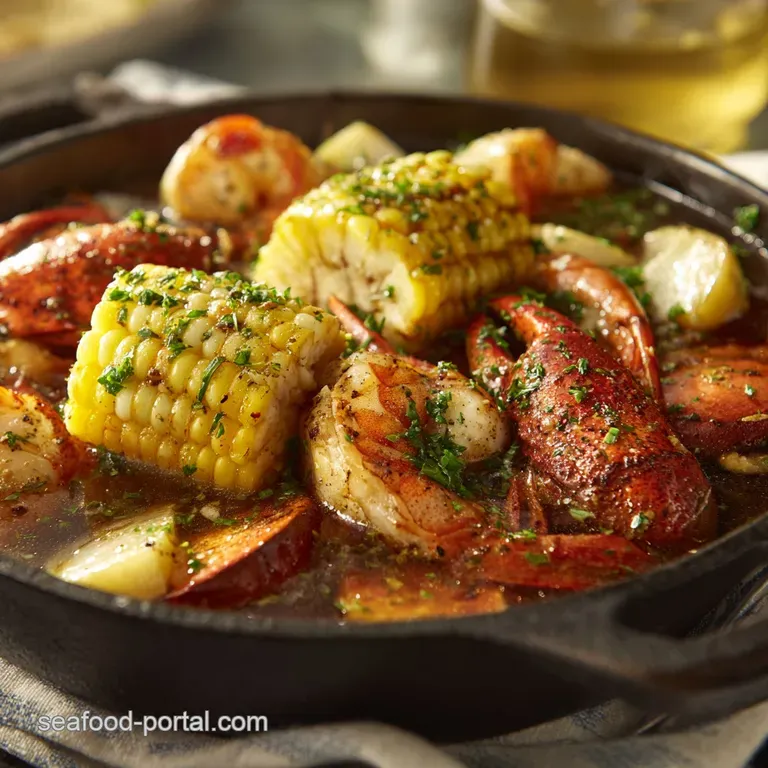
Making an easy seafood boil relies on two fundamental scientific principles: thermal mass and carryover cooking. Understanding how heat transfers in this high volume liquid environment is key to keeping your crab tender and your shrimp snappy.
The Lowcountry Method: Building the Deepest Base Broth
We start with a long, aggressive boil of the non-seafood aromatics (lemon, garlic, onion, and spices). The high heat breaks down the cell walls of the aromatics, releasing essential oils that infuse into the water, creating a dense flavor medium.
Without this initial 10 minute boil, the resulting seafood boil broth will taste thin, and the potatoes won't absorb enough seasoning.
Emulsification Magic: How the Bay Butter Clings to Every Crevice
The Bay Butter sauce isn't just melted butter; it’s an emulsified coating, especially with the addition of dry spice powder. The spices absorb some of the oil and help the butter adhere to the slightly wet surface of the drained shellfish. This creates a thick, flavorful layer that acts as both sauce and seasoning. If you want to go full-on decadent, you can incorporate additional liquid ingredients to create a thicker sauce I have a whole blog post dedicated to the ultimate Boiling Crab Sauce: The Ultimate Buttery Coastal Crush Copycat if you're looking for extra depth!
Preventing Rubbery Shrimp: The Carryover Cook Factor
Shrimp has virtually zero internal fat, which makes it prone to drying out and seizing up (getting rubbery) if overcooked by even a minute. The moment you pull the shrimp out of the boiling water, it is still cooking intensely due to residual heat. This is carryover cooking.
To combat this in your seafood boil , always err on the side of slightly undercooking the shrimp, and then drain them immediately. If you need to wait more than 5 minutes before saucing and serving, plunge the shrimp and crab into an ice bath for 30 seconds to halt the cooking instantly.
Too Salty? Adjusting the Broth Before Serving
If you taste the broth during the initial boil and find it overwhelming which is possible with a full 1/2 cup of Old Bay you have a quick fix. Before adding the delicate shellfish, simply add 1 2 cups of plain hot water to the broth to dilute the salt level slightly.
Remember, the potatoes and corn absorb the seasoning, helping to mellow the final result of your seafood boil menu .
Expert Advice: Avoiding the Most Common Boiling Mistakes
I’ve made every mistake in the book, from mushy potatoes to watery sauce. Learning from these failures is how I developed the perfect method for a simple seafood boil .
- Adding Ingredients Simultaneously: People often throw the potatoes, crab, and shrimp in at the same time. Disaster! You’ll get perfect crab, but mushy potatoes and rubbery shrimp. Solution: Follow the staggered cooking times exactly: potatoes, then corn, then crab/clams, then shrimp last.
- Skipping the Draining Step: When you pour the Bay Butter over solids still sitting in water, the butter won't adhere; it will separate and run off. Solution: You must drain everything thoroughly. Transfer the cooked ingredients to a large baking sheet or platter for a few minutes before the butter toss.
- Using Cold Seafood: If you add frozen or partially frozen crab clusters, the internal temperature of the water will plummet, stalling the boil. This results in unevenly cooked shellfish. Solution: Always thaw your crab clusters and shrimp fully in the refrigerator before starting this crab boil recipe .
Leftovers Strategy: Storing and Reheating Your Feast
A large scale seafood boil almost guarantees leftovers, and you need to handle them carefully since we're dealing with shellfish.
Safe Handling and Refrigeration Times for Cooked Shellfish
Prompt cooling is vital. Seafood should not sit at room temperature for more than two hours. Store any leftover shellfish, potatoes, and sausage in airtight containers in the refrigerator. They are safe to consume for up to 3 days after cooking.
Do not attempt to freeze the boiled potatoes or the crab clusters, as they tend to become grainy and watery upon thawing. However, cooked shrimp can be frozen for up to 2 months if fully submerged in the leftover seasoned Bay Butter sauce (this helps prevent freezer burn).
Best Method for Reheating Seafood (Spoiler: Avoid Boiling)
Never reheat the entire contents of your seafood boil by boiling it again. This will destroy the texture of the shrimp and clams.
- For Shellfish (Crab/Shrimp): Place the seafood in a single layer on a parchment lined baking sheet. Cover lightly with foil. Reheat in an oven preheated to 300°F (150°C) for about 8– 10 minutes, or until just warmed through.
- For Potatoes and Sausage: These can be successfully reheated in a skillet with a splash of water or broth, or microwaved quickly.
- Re-Sauce: Melt a small amount of fresh butter, toss the warmed ingredients, and enjoy your delicious leftover easy seafood boil recipe .
The Full Experience: Sides, Sauces, and Drink Pairings
The classic seafood boil is a meal designed for soaking up savory liquids and cutting through richness.
Crusty bread is non-negotiable you need a vehicle for that Bay Butter that pools on the serving platter. I usually grab a fresh, crusty French baguette, slice it thick, and dunk until it's saturated.
A bright, vinegar based coleslaw is the perfect contrast. The acidity cuts through the heaviness of the butter and spice perfectly. For drinks, keep it simple and chilled: a dry Pilsner, a crisp Sauvignon Blanc, or just a mountain of iced lemonade will do the trick.
You’ve done all the work creating this incredible seafood boil , now sit down, get messy, and celebrate!
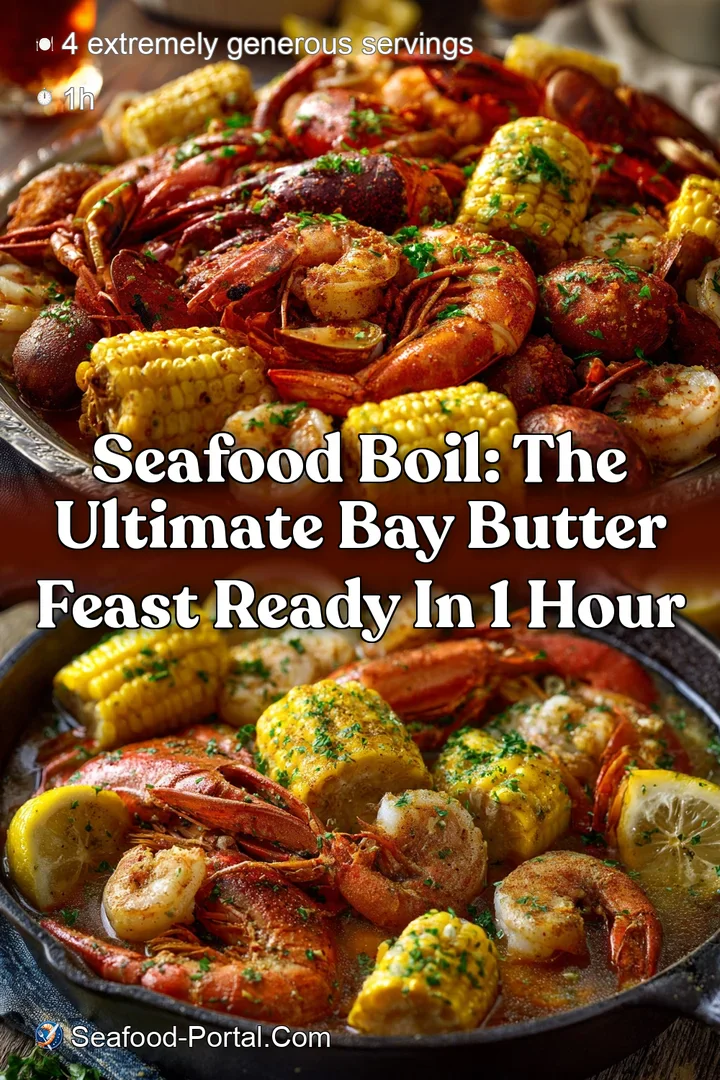
Recipe FAQs
How do I prevent the seafood from being overcooked or rubbery?
The key to perfect texture is staggering the cook times based on density. Add items like potatoes and corn first, then the hardier shellfish (crab/lobster), and finally quick cooking proteins like shrimp, which usually only need 3-5 minutes.
Overcooked shellfish becomes tough, so monitor the shrimp closely until they turn pink and opaque.
My broth tastes weak; how do I maximize the flavor absorption?
Flavor building happens in two crucial stages: the boil and the toss. Ensure your boiling liquid is aggressively salted and heavily seasoned (using ingredients like Old Bay, lemon, and hot sauce) before any seafood is added.
After straining, immediately tossing the hot ingredients with the melted, highly seasoned Bay Butter is essential for coating everything thoroughly and locking in the flavor.
What are the best substitutions if I cannot find specific shellfish like crawfish?
You can easily substitute hardier items like snow crab or Dungeness crab for blue crab, or use clams instead of mussels. For quick cooking proteins, firm white fish (like cod chunks) or robust smoked sausage (such as Andouille or Kielbasa) work excellently if you are avoiding certain shellfish entirely.
How can I adjust the spice level without sacrificing overall flavor?
Control the spice by regulating the amount of cayenne pepper used in the Bay Butter mixture and the boil liquid. To maintain complexity while reducing heat, swap the cayenne for mild smoked paprika and incorporate halved lemons or oranges into the boiling water, as their acidity naturally helps temper the overall spiciness.
How long can I safely store leftover seafood boil, and can I freeze it?
Leftover cooked seafood boil should be refrigerated within two hours of cooking and consumed within 1-2 days for optimal safety and quality. While you can technically freeze cooked shellfish, the texture usually degrades significantly, often becoming mushy or extremely rubbery upon reheating, so freezing is generally not recommended.
Can I prepare the broth or the Bay Butter mixture ahead of time?
Yes, the heavily seasoned broth base can be prepared several hours in advance and simply reheated just before you begin adding the ingredients. Similarly, the dry Bay Butter mixture (spices, herbs, garlic) can be combined and stored in the refrigerator, ready to be melted and tossed with the hot seafood just before serving.
Do I need a massive specialty pot for a seafood boil?
While a large stockpot (16-quart or more) with a drainage basket is ideal for ease, you only truly need a pot large enough to comfortably submerge all ingredients in the boiling liquid without overcrowding.
If your pot is too small, it is better to cook the seafood and vegetables in two smaller batches to ensure proper seasoning coverage and even cooking.
Bay Butter Seafood Boil Feast
Ingredients:
Instructions:
Nutrition Facts:
| Calories | 2278 kcal |
|---|---|
| Protein | 154.2 g |
| Fat | 75.6 g |
| Carbs | 206.6 g |
