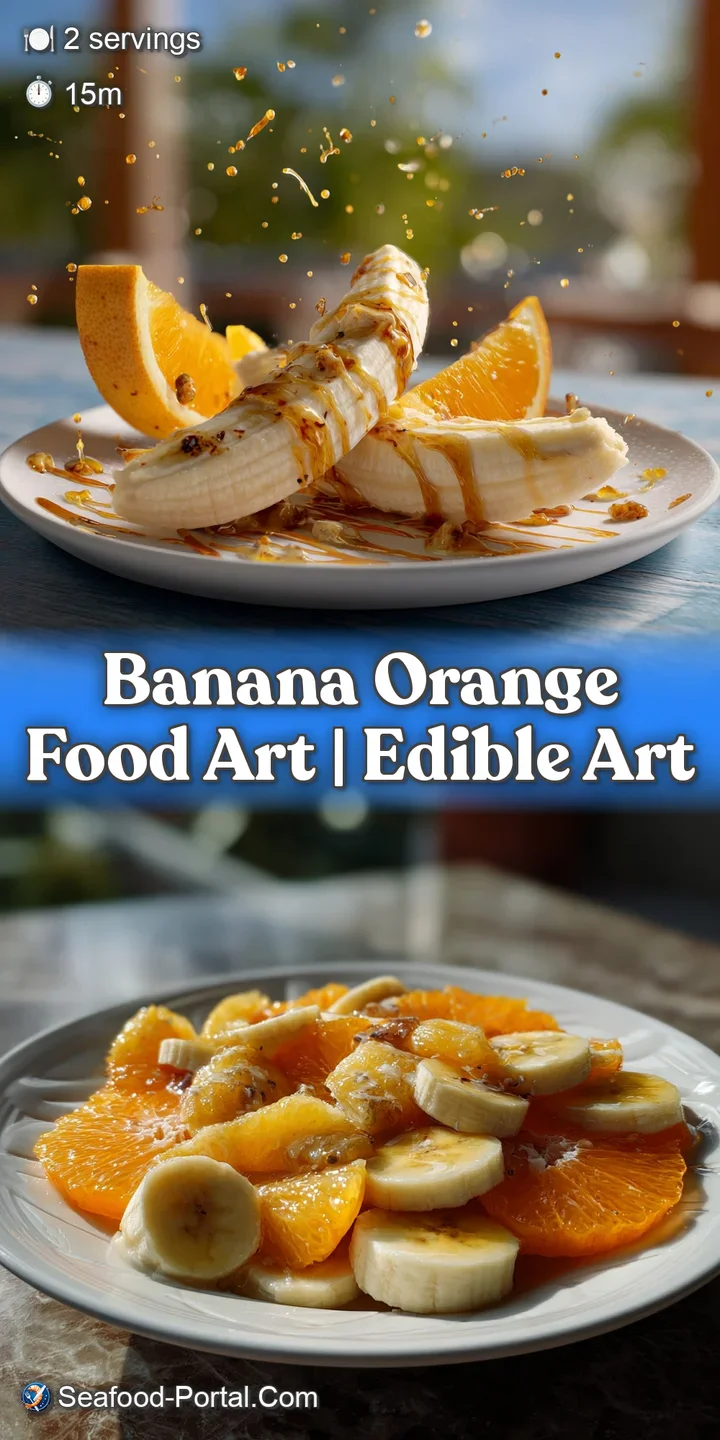
Banana Orange Food Art
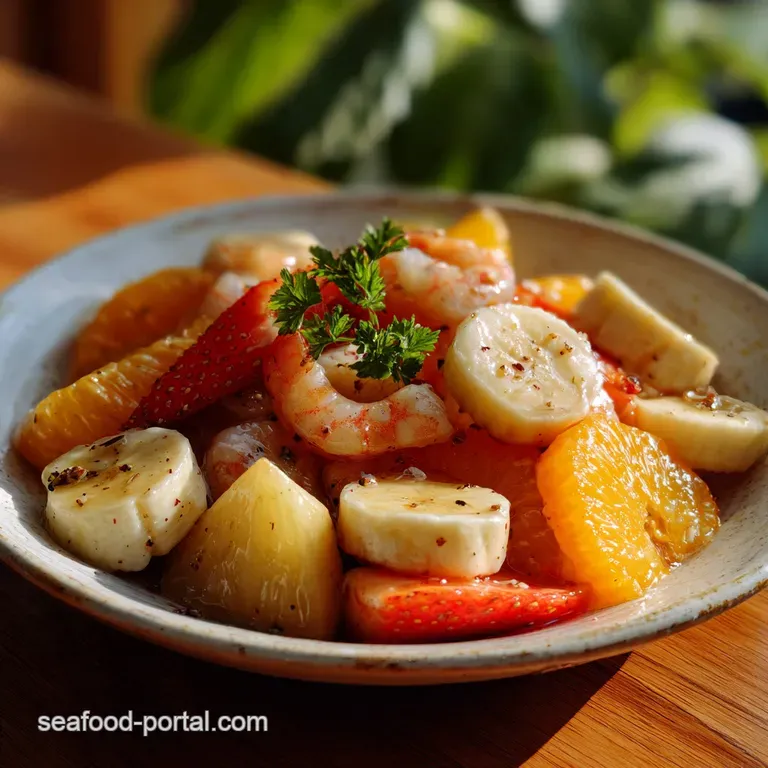
- Time: Active 15 minutes, Passive 0 minutes, Total 15 minutes
- Flavor/Texture Hook: Silky banana paired with zesty, bursting orange segments
- Perfect for: Mediterranean style brunch gatherings or creative children's snacks
- The Science of Why it Works
- Essential Preparation Details for Your Edible Art Masterpiece
- Selecting the Vibrant Components for Your Tropical Canvas
- Specialized Kitchen Tools for Precision Fruit Sculpting
- Step by Step Assembly for a Shared Plate Experience
- Correcting Common Composition Errors for Flawless Results
- Inspired Seasonal Variations for Your Fruit Display
- Preservation Techniques and Sustainable Leftover Ideas
- Complementary Flavors for Your Vibrant Fruit Gathering
- Common Questions About Banana Orange Art
- Troubleshooting Common Issues
- Recipe FAQs
- 📝 Recipe Card
The Science of Why it Works
The success of this display relies heavily on enzymatic browning, where the polyphenol oxidase in the banana reacts with oxygen. By pairing the banana with orange, the ascorbic acid (Vitamin C) acts as a natural antioxidant, significantly slowing down this process to keep the fruit bright.
Plus,, the hygroscopic nature of the shredded coconut allows it to absorb excess moisture from the orange juice. This prevents the "sand" from becoming a soggy puddle, maintaining a flaky, snow like texture that provides a necessary crunch against the soft fruit.
| Assembly Style | Preparation Time | Visual Impact | Difficulty Level |
|---|---|---|---|
| Single Platter | 10 minutes | High (Shareable) | Beginner |
| Individual Plates | 15 minutes | Professional | Intermediate |
| Kids' Bento Box | 8 minutes | Playful | Easy |
Selecting the right assembly style depends entirely on your gathering. For a large Mediterranean themed party, the single platter encourages guests to pick and choose their favorite pieces, creating a communal feel.
If you are aiming for a more formal dessert presentation, individual plates allow for more precision and better use of negative space on the china.
Essential Preparation Details for Your Edible Art Masterpiece
Before we start slicing, we need to understand the structural role of each component. This isn't just about putting Art using Banana and Orange on a plate, it’s about engineering a dish that holds its shape until the last bite.
The bananas provide the verticality, while the oranges provide the foundation and the vibrant pops of color.
| Component | Science Role | Pro Secret |
|---|---|---|
| Navel Orange | Acidic stabilizer | Slice between membranes for "supremed" segments that don't leak juice. |
| Ripe Banana | Structural base | Use slightly under ripe fruit for firmer "trunks" that stand upright. |
| Shredded Coconut | Moisture barrier | Toast it lightly for a golden "beach" look and extra snap. |
Using Banana and Orange requires a bit of finesse with your knife. I once made the mistake of using a dull blade, which bruised the banana cells and caused it to turn grey almost instantly. Always use your sharpest paring knife to ensure clean, crisp edges that catch the light beautifully.
Selecting the Vibrant Components for Your Tropical Canvas
When you're shopping for this Banana Orange Food Art, look for fruit that feels heavy for its size. That weight indicates high water content in the oranges and a dense, creamy texture in the bananas. Mediterranean influences often highlight the best of the season, so don't settle for bruised or overly soft specimens.
- 2 large bananas: Look for bright yellow peels with minimal spotting. Why this? Provides the necessary rigidity for the palm tree structures.
- 1 large navel orange: Choose one with a thin skin and vibrant orange hue. Why this? Navel oranges are seedless, making them perfect for clean, edible art segments.
- 1 tbsp shredded coconut: Unsweetened is best to keep the flavor profile fresh. Why this? Mimics the appearance of white sand while adding a nutty texture.
- 6 fresh mint leaves: Vibrant green leaves with no wilting. Why this? Adds an aromatic element and represents the lush tropical foliage.
- 1 tsp chia seeds: Tiny, dark seeds for high contrast detail. Why this? These represent small birds or coconuts in the distance.
Substitution Table
| Original Ingredient | Substitute | Why It Works |
|---|---|---|
| Shredded Coconut | Almond Meal | Provides a sandy texture. Note: Adds a subtle nuttiness rather than tropical flavor. |
| Mint Leaves | Basil Leaves | Offers a different green hue. Note: Changes the aroma to a more savory, herbal note. |
| Chia Seeds | Poppy Seeds | Similar size and color. Note: Does not swell like chia but provides the same visual detail. |
If you find yourself out of oranges, a large grapefruit can work, though the bitterness will significantly change the flavor profile. The key is to maintain that acidic element to protect the banana.
Specialized Kitchen Tools for Precision Fruit Sculpting
You don't need a drawer full of gadgets, but two specific items make this much easier. A sharp paring knife is non negotiable for the orange segments. I also highly recommend using a small offset spatula for moving the banana slices onto the plate without leaving fingerprints or smudges.
If you are feeling particularly artistic, a pair of culinary tweezers helps with placing the chia seeds and mint leaves. It keeps the presentation clean and prevents the heat from your hands from wilting the delicate herbs. If you're looking for more inspiration on how to use fruit in creative ways, you might enjoy my Banana Ice Cream recipe, which uses similar base ingredients for a totally different texture.
step-by-step Assembly for a Shared Plate Experience
Now, let's get into the actual building. This is the part where your Food Art using Banana and Orange really comes to life. Work on a clean, dry surface to prevent the fruit from sliding around before you're ready to plate.
Phase 1: Precision Prep
- Peel 1 large navel orange. Remove as much of the white pith as possible using a sharp knife.
- Section the orange. Cut between the membranes to release clean segments until you have a pile of jewel like citrus wedges.
- Peel 2 large bananas. Remove any stringy bits (the phloem bundles) from the sides for a smooth finish.
- Slice the bananas. Cut them into 1/2 inch thick rounds, keeping the slices from each banana together to maintain the natural taper.
Phase 2: Building the Landscape
- Create the island base. Spread 1 tbsp shredded coconut across the bottom third of your serving plate until it looks like a textured beach.
- Position the trunks. Arrange the banana slices in two curved vertical lines, starting from the coconut "sand" and moving upwards.
- Anchor the trees. Ensure the bottom banana slice is tucked slightly into the coconut to give the illusion of growth.
- Add the orange ground. Place the orange segments along the bottom of the coconut or in a "sun" shape in the upper corner until the plate feels balanced and bright.
Phase 3: The Finishing Touches
- Attach the foliage. Place 3 fresh mint leaves at the top of each banana trunk, fanning them out like palm fronds.
- Detail the sky. Sprinkle 1 tsp chia seeds in small clusters in the upper section until they resemble birds in flight.
Chef's Tip: If your bananas are particularly slippery, pat the bottom of each slice with a paper towel before placing it on the plate. This increases the surface tension and keeps your "trees" from migrating.
Correcting Common Composition Errors for Flawless Results
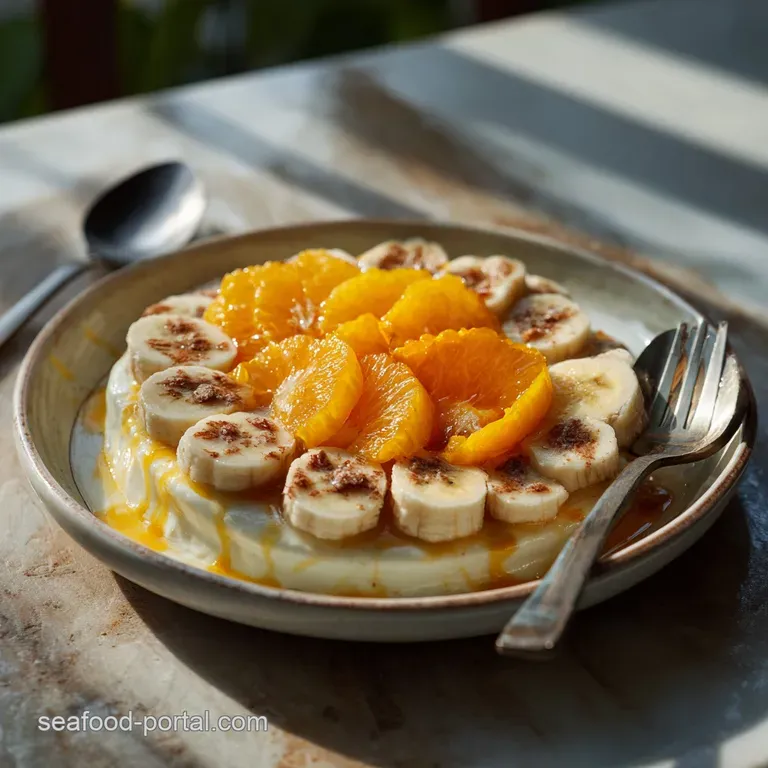
One of the biggest hurdles with Art using Banana and Orange is the moisture. If the orange juice starts to run, it can dissolve the coconut and turn the banana mushy. The secret is to drain the orange segments on a paper towel for sixty seconds before they ever touch the plate.
Why Your Art Slips
If your banana slices are sliding, it’s usually because the plate is too cold or has a condensation layer. Always plate on a room temperature dish. If the fruit is too wet, the sugar in the juice acts as a lubricant rather than an adhesive.
Quick Fix Table
| Problem | Root Cause | Solution |
|---|---|---|
| Banana turning brown | Lack of acid | Brush slices with extra orange juice immediately after cutting. |
| Soggy coconut | Orange juice leakage | Create a small "buffer zone" of space between the orange segments and the coconut. |
| Wilted mint fronds | Heat transfer | Add the mint at the very last second, right before serving. |
Common Mistakes Checklist
- ✓ Forget to remove the white pith from the orange (it's bitter and looks unappealing).
- ✓ Using over ripe bananas that can't support their own weight.
- ✓ Crowding the plate too much - negative space is your friend in food art.
- ✓ Adding the chia seeds while the fruit is too wet, causing them to bleed color.
- ✓ Skipping the paper towel drain for the orange segments.
Inspired Seasonal Variations for Your Fruit Display
While the classic banana and orange combination is a staple for Mediterranean gatherings, you can easily adapt this for different occasions. For a festive winter look, swap the orange segments for pomegranate arils to add deep red "jewelry" to your trees. The contrast of the white coconut and red seeds is stunning.
If you want a more dessert focused version, you can drizzle a tiny bit of dark chocolate over the banana trunks to mimic tree bark. This adds a rich, bittersweet layer that pairs beautifully with the citrus. For more tropical vibes, consider incorporating elements from my Blend Pineapple Sea recipe, such as small pineapple chunks to represent tropical suns.
The "Deep Sea" Transformation
If you have leftover blueberries, you can create an "ocean" at the bottom of the plate instead of a coconut beach. Use the rounded side of the blueberries to represent bubbles or waves. This shifts the color palette toward cool blues and purples, making the orange segments pop even more.
Preservation Techniques and Sustainable Leftover Ideas
Food art is best enjoyed immediately, but life happens. If you have leftovers, don't let them go to waste. Bananas that have started to soften make an excellent base for smoothies or oatmeal. You can store the orange segments in an airtight container for up to 2 days, though they will continue to release juice.
- Fridge: Store leftovers in a sealed container for up to 24 hours. The banana will brown, but it is still perfectly safe to eat.
- Freezer: Do not freeze the assembled art. Instead, peel and freeze the leftover banana for future baking or smoothies.
- Zero Waste: Save your orange peels! You can candy them or use them to infuse vinegar for a natural, citrus scented household cleaner. Even the mint stems can be tossed into a pot of boiling water to make a quick, refreshing tea.
Complementary Flavors for Your Vibrant Fruit Gathering
When serving this as part of a larger spread, think about textures that contrast with the softness of the fruit. A side of Greek yogurt with a drizzle of honey provides a creamy, tangy dip that feels very Mediterranean.
I also love serving this alongside some lightly toasted brioche or a handful of raw walnuts for extra crunch.
For a drink pairing, a chilled hibiscus tea or a simple sparkling water with a splash of orange juice keeps things light and refreshing. The goal is to maintain that fresh, vibrant atmosphere that makes fruit art so appealing in the first place. Right then, I think you're ready to create your own edible masterpiece.
Let's get to the kitchen and start slicing!
Common Questions About Banana Orange Art
Troubleshooting Common Issues
| Issue | Solution |
|---|---|
| Prevent the bananas from turning brown | The best way is to use the juice from the orange segments. Ascorbic acid in the orange acts as a natural preservative. Lightly brush or toss the banana slices in a small amount of the juice immediatel |
| Make this a few hours before a party | It is best to assemble it within 30 minutes of serving for the best visual appeal. However, you can prep the orange segments and the coconut "beach" hours in advance. Keep the oranges in the fridge an |
| What are the best oranges to use for food art | Navel oranges are the gold standard because they are typically seedless and have a thick enough peel to handle easily while preping. Blood oranges are also a fantastic choice if you want a more dramat |
| Is this recipe suitable for toddlers | Absolutely! It is a great way to encourage kids to eat more fruit. Just ensure the banana slices and orange segments are cut into age appropriate, bite sized pieces to prevent any choking hazards. You |
| Get the coconut to stay in one place | A tiny drop of honey or agave syrup on the plate can act as "glue" for the shredded coconut. This is especially helpful if you are transporting the plate from the kitchen to a dining room and want to |
Recipe FAQs
Can I mix orange and banana together?
Yes, they pair wonderfully. The sweetness of the banana complements the tartness of the orange, creating a balanced flavor profile perfect for creamsicle inspired dishes.
Can you put bananas and oranges together in food art?
Absolutely, they are a fantastic combination. Their contrasting colors and textures, creamy banana and juicy orange segments, create visually appealing edible art.
What do bananas symbolize in art?
Bananas can symbolize various things depending on context, often representing nature, abundance, and even humor or the absurd due to their shape and cultural associations. For instance, in tropical settings, they signify lushness and fertility.
How to make orange slices pretty for food art?
Supreme the orange segments. Slice between the membranes to remove the pith and create jewel like pieces. This technique yields clean edges and vibrant color, preventing unwanted pith from detracting from your design.
How to prevent bananas from browning in fruit art?
Coat the banana slices with citrus juice. The ascorbic acid in orange or lemon juice acts as a natural antioxidant, significantly slowing down the browning process. You can lightly brush or toss the slices right after cutting.
What's the best way to use bananas and oranges for visual impact?
Contrast their shapes and colors. Use sliced bananas as structural elements, like tree trunks, and vibrant orange segments for bursts of color and ground cover. This technique is similar to how we layer flavors and textures in a dish like The Ultimate Loaded baked spud recipe for a rich presentation.
Can I use other fruits with bananas and oranges in food art?
Yes, experiment with complementary fruits. Consider using berries for color accents or other tropical fruits to enhance a theme. For a vibrant, layered bowl, explore how different fruits come together in Blend Strawberry Sea Moss Gel Smoothie Joy.
Banana Orange Food Art
Ingredients:
Instructions:
Nutrition Facts:
| Calories | 190 calories |
|---|---|
| Protein | 2.9 g |
| Fat | 2.8 g |
| Carbs | 43.3 g |
| Fiber | 6.1 g |
| Sugar | 26.2 g |
| Sodium | 3 mg |
