Baked Tilapia Recipe with Lemon: Citrusy and Silky
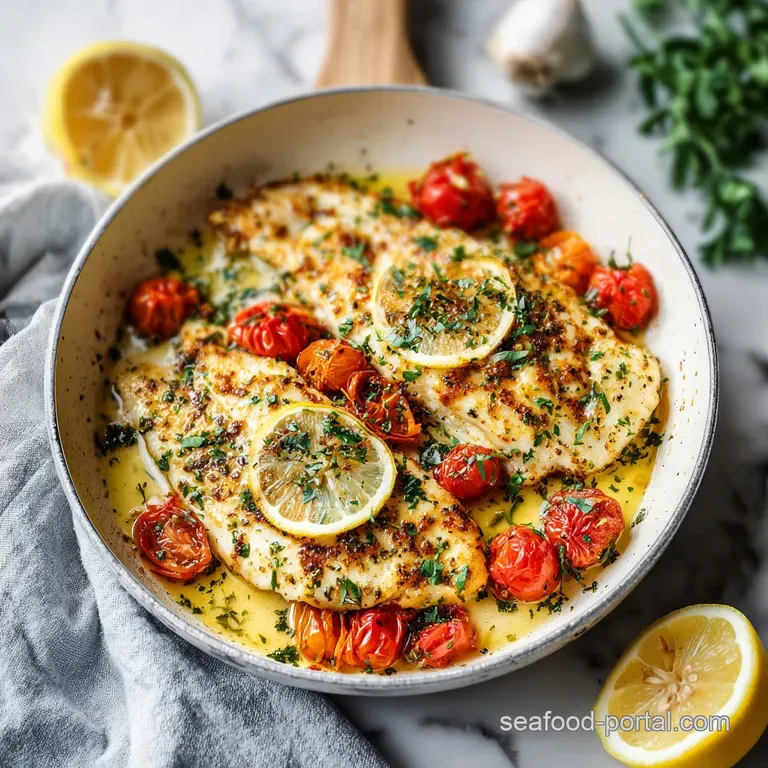
- Time: Active 5 minutes, Passive 12 minutes, Total 17 minutes
- Flavor/Texture Hook: Silky, garlic infused fillets with a zesty lemon finish
- Perfect for: Busy weeknights where you need a healthy, high protein meal in under 20 minutes
- Create a Perfect Baked Tilapia Recipe with Lemon
- What Actually Makes It Flaky
- Essential Components for Bright Flavor
- Vital Ingredients and Smart Substitutes
- The Best Tools for Success
- Step-by-Step Lemon Garlic Method
- Avoiding Mushy or Dry Fillets
- Scaling for Groups or Couples
- Debunking Common Fish Myths
- Safe Storage and Reheating Tips
- Perfect Sides for Zesty Tilapia
- Recipe FAQs
- 📝 Recipe Card
Create a Perfect Baked Tilapia Recipe with Lemon
Forget everything you think you know about tilapia. I used to hear people say it's the "boring" fish or that it always tastes a bit like the bottom of a pond. Honestly, that’s just because most people treat it like a chore instead of a delicate protein that needs a little love.
Discover the most flavorful way to prepare baked tilapia with this simple lemon and garlic recipe. When you get that oven cranked up and the garlic starts hitting the melted butter, your kitchen transforms into something that smells like a seaside bistro in Italy.
The real trick I learned isn't in some complicated technique, it's actually about the prep work. If you've ever had fish that turned out soggy or just plain sad, it's likely because you didn't dry it enough.
I remember one of my first attempts where the fish basically boiled in its own juices on the tray it was a disaster. But once you realize that "dry fish equals flaky fish," the whole game changes. We're going for a texture that's firm but gives way to a fork with that satisfying shatter of the protein fibers.
This dish is my absolute go to when I've had a long day and the last thing I want to do is stand over a hot stove for an hour. It’s light, it’s punchy, and it doesn't leave you feeling weighed down. Plus, the way the lemon juice cuts through the richness of the butter is just... it's exactly what you need.
Let's get into how we make this work every single time without breaking a sweat.
What Actually Makes It Flaky
Understanding the mechanics behind the heat helps you avoid the dreaded "rubber fish" scenario. Here is how we keep things tender and juicy while the oven does the heavy lifting:
- Surface Adhesion: By removing every drop of surface moisture, we allow the olive oil and butter to grip the protein directly, creating a protective barrier that prevents the juices from leaking out.
- Thermal Conductivity: The 400°F (205°C) temperature is high enough to cook the fish quickly (a "flash bake") before the delicate cell walls can collapse and become mushy.
- Emulsified Fat Barrier: Whisking the lemon and butter into an opaque liquid ensures the acid doesn't "cook" the fish prematurely, but instead coats it in a rich, flavorful film.
- Residual Heat Carryover: Pulling the fish at 145°F allows the internal temperature to stabilize during the short rest, ensuring the center is fully set but still moist.
| Fillet Thickness | Internal Temp | Rest Time | Visual Cue |
|---|---|---|---|
| 1.5 cm | 145°F / 63°C | 2 mins | Opaque and easily flakes |
| 2.5 cm | 145°F / 63°C | 3 mins | Center is no longer translucent |
| 3.5 cm | 145°F / 63°C | 4 mins | Edges are slightly firm |
If you find yourself wanting a bit more of a kick or perhaps a different texture, there are always options. Some days I'm in the mood for something with a bit more of a crust. If that sounds like you, you might want to try this Pan seared Tilapia recipe which gives you those golden, crispy edges that only a hot skillet can provide.
Essential Components for Bright Flavor
| Component | Science Role | Pro Secret |
|---|---|---|
| Tilapia Fillets | Lean Protein | Patting them bone dry is more important than the seasoning itself. |
| Unsalted Butter | Fat & Mouthfeel | Melt it slowly so the milk solids don't burn before the fish is done. |
| Fresh Lemon | Acid & Brightness | Always zest before you juice; the oils in the skin hold the real "lemon" punch. |
| Grated Garlic | Aromatic Base | Grating creates a paste that distributes flavor better than chunky chopping. |
Vital Ingredients and Smart Substitutes
- 4 large tilapia fillets (approx. 170g each): Our lean, mild base. Why this? It absorbs lemon and garlic flavors better than oilier fish varieties.
- Substitute: Cod or Flounder. Both are mild white fish that behave similarly in high heat.
- 1 tbsp extra virgin olive oil: For the initial sear mimicking layer.
- Substitute: Avocado oil. It has a higher smoke point if your oven runs hot.
- 0.5 tsp fine sea salt: To draw out flavor and season the protein.
- Substitute: Kosher salt (use double the amount by volume).
- 3 tbsp unsalted butter, melted: The carrier for our aromatics.
- Substitute: Ghee or clarified butter for a nuttier, dairy-free-friendly profile.
- 3 cloves garlic, grated: Provides that deep, savory backbone.
- Substitute: 1 tsp garlic powder, though the fresh "bite" will be significantly reduced.
- 1 large lemon, zested and juiced: The star of the show.
- Substitute: Lime. It offers a more tropical, sharp acidity that works beautifully with the oregano.
- 0.5 tsp dried oregano: Adds an earthy, Mediterranean note.
- Substitute: Dried thyme or Italian seasoning blend.
- 0.25 tsp red pepper flakes: Just enough heat to wake up the palate.
- Substitute: A pinch of cayenne pepper or smoked paprika for a deeper red hue.
- 2 tbsp fresh parsley, chopped: For a burst of color and "green" freshness.
- Substitute: Fresh cilantro if you're serving this with a side of rice and beans.
The Best Tools for Success
You don't need a professional kitchen to nail this, but a few specific items make it much easier. First, a large rimmed baking sheet or a 9x13 inch glass baking dish is essential. I prefer metal sheets because they conduct heat faster, which helps the bottom of the fish set quickly.
You'll also want a microplane or a fine grater. This is for the garlic and the lemon zest. If you chop garlic with a knife, you get little chunks that might not soften in the 12 minutes of cook time. Grating it turns it into a paste that melts right into the butter.
Finally,, grab a small whisk or even just a fork to emulsify that butter and lemon juice. You want it to look like a thick, creamy yellow sauce before it goes over the fish.
step-by-step Lemon Garlic Method
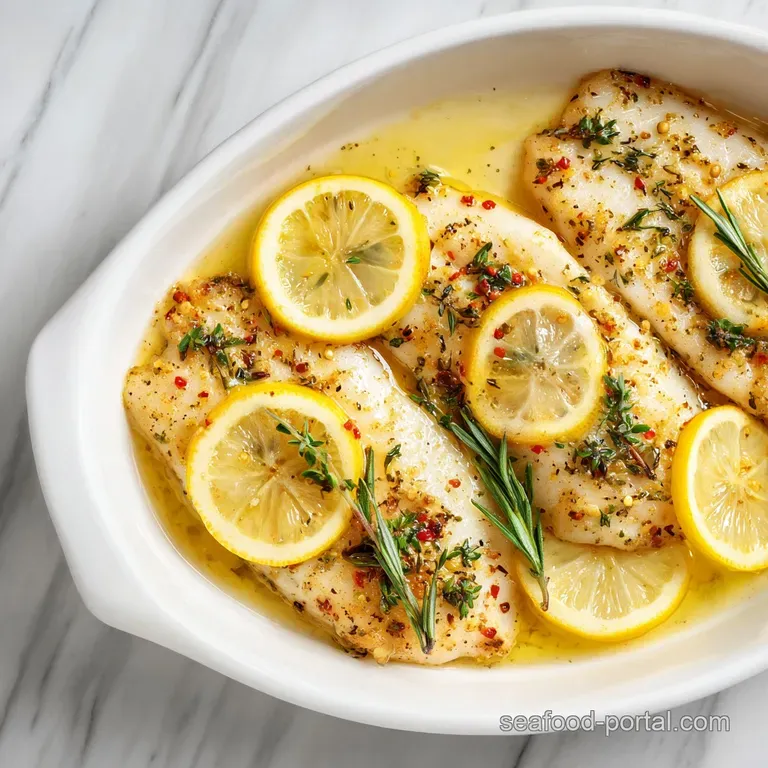
- Preheat your oven to 400°F (205°C). Use paper towels to pat each tilapia fillet thoroughly on both sides until bone dry and tacky to the touch. Note: Wet fish will steam rather than bake, leading to a mushy texture.
- Place the fillets in a large rimmed baking sheet or 9x13 inch baking dish without overlapping. Drizzle with olive oil and season both sides with sea salt and black pepper.
- In a small mixing bowl, whisk together the melted butter, lemon juice, lemon zest, grated garlic, oregano, and red pepper flakes until the mixture is opaque and emulsified.
- Pour the lemon garlic emulsion over the fillets, ensuring even coverage to create a protective flavor barrier.
- Bake for 10–12 minutes until the fish reaches an internal temperature of 145°F and the flesh flakes easily with a fork.
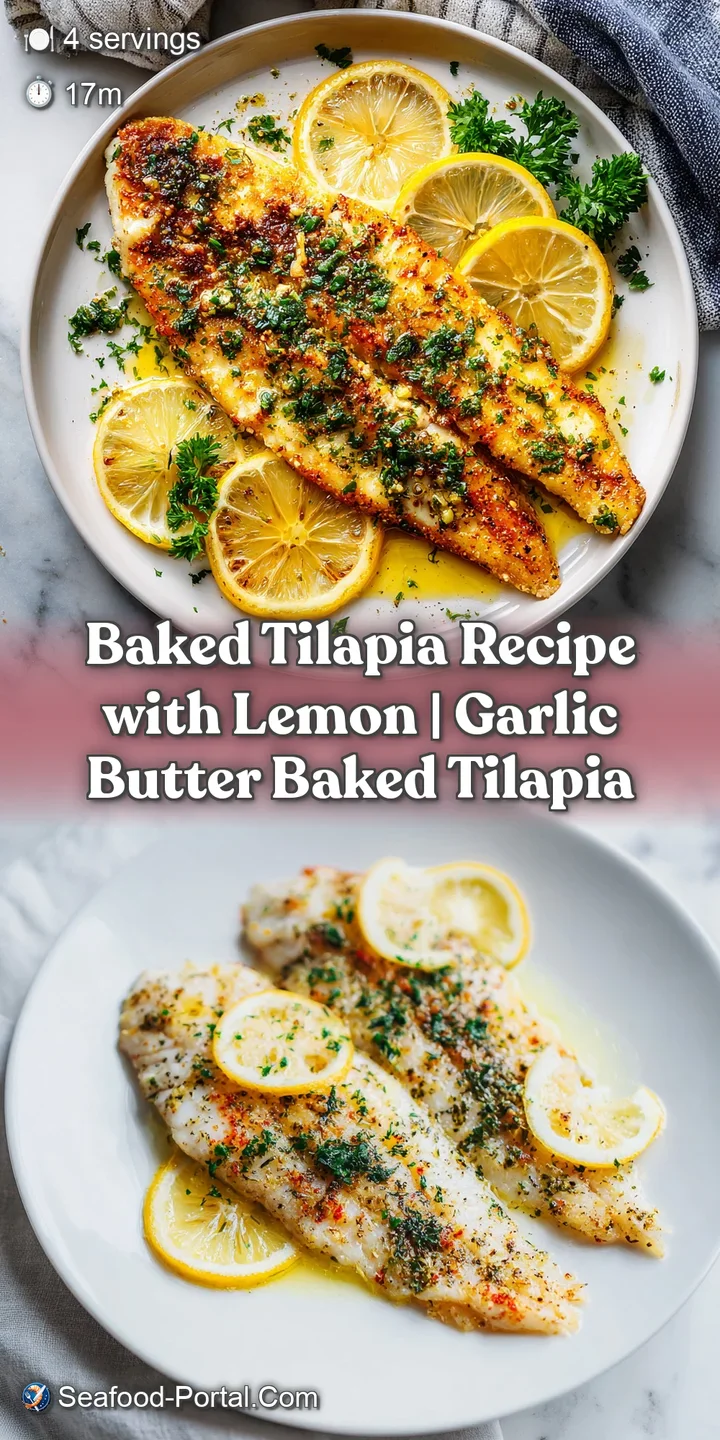
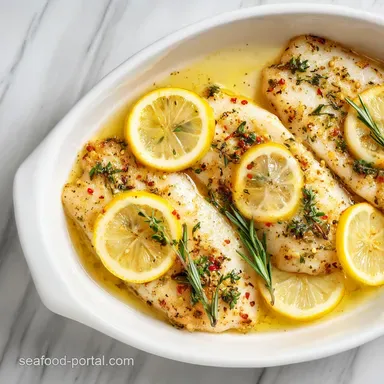
- Garnish with fresh parsley and lemon slices before serving.
Avoiding Mushy or Dry Fillets
The biggest heartbreak with white fish is overcooking. Because tilapia is so lean, it doesn't have much fat to protect it once it goes past the "done" stage. If you leave it in for even 3 minutes too long, it goes from silky to sawdust.
The 12 minute mark is usually the sweet spot for a standard 170g fillet, but always check early.
Why Your Fish Tastes "Muddy"
This is a common complaint with farm raised tilapia. It's often caused by the environment the fish was raised in. However, the lemon juice and garlic in this recipe are designed to neutralize those earthy notes.
If you're sensitive to it, soaking the fillets in milk for 15 minutes before drying and seasoning can help "pull" those flavors out.
Why the Sauce Is Broken
If your butter sauce looks like a pool of oil with white clumps, the butter was likely too hot when you added the lemon juice. To fix this, let the melted butter cool for a minute before whisking in the citrus. You want a cohesive, creamy liquid that clings to the fish like a blanket.
| Problem | Root Cause | Solution |
|---|---|---|
| Fish is tough | Overcooked protein | Reduce bake time; use a thermometer to hit 145°F. |
| Sauce is watery | Too much lemon juice | Stick to the juice of one lemon; add a teaspoon of honey to thicken. |
| Garlic tastes bitter | Burned aromatics | Ensure garlic is grated fine and fully submerged in the butter. |
Common Mistakes Checklist
- ✓ Never skip the "pat dry" step this is the difference between restaurant quality and soggy mess.
- ✓ Preheat your oven fully; putting fish into a cold oven ruins the texture.
- ✓ Don't overcrowd the pan; leave at least 2 cm of space between fillets for air circulation.
- ✓ Use fresh lemon, not the bottled stuff the bottled juice has a metallic aftertaste that ruins the dish.
- ✓ Grate the garlic into a paste so it distributes evenly across every bite.
Scaling for Groups or Couples
When you're cooking for just one or two, you can easily halve this recipe. Use a smaller baking dish so the sauce doesn't spread out too thin and burn on the bottom of the pan. The cook time will stay roughly the same, around 10–12 minutes, because the thickness of the fish hasn't changed, only the quantity.
For a larger crowd, you can double or triple the recipe, but you'll need multiple baking sheets. Don't try to cram 8 fillets onto one tray. If you do, the temperature in the oven will drop, and the fish will release too much moisture at once, essentially steaming the whole batch.
When doubling spices and liquids, I find that you only need about 1.5x the salt and red pepper flakes to get the same impact.
Debunking Common Fish Myths
One of the biggest myths is that you should always cook fish from frozen to "save time." This is a recipe for disaster. Frozen fish releases a massive amount of water as it thaws in the oven, meaning your lemon garlic butter will turn into a watery soup.
Always thaw your tilapia in the fridge overnight or in a sealed bag under cold running water for 20 minutes before you start.
Another misconception is that "fishy" smelling fish is just how it is. Fresh (or properly flash frozen) tilapia should have almost no smell at all just a clean, salty scent like the ocean. If your fish smells strong before it even hits the oven, it’s past its prime.
The lemon in this recipe is meant to enhance the flavor, not mask a product that’s gone off.
Safe Storage and Reheating Tips
Tilapia is best eaten right out of the oven, but you can keep leftovers in an airtight container in the fridge for up to 2 days. To reheat, avoid the microwave at all costs it will turn the fish into rubber.
Instead, place the fillets in a covered skillet with a splash of water or extra butter over low heat for about 5 minutes until just warmed through.
For zero waste, if you have leftover fillets, flake them up the next day! They make incredible cold fish tacos or can be folded into a quick pasta with some extra olive oil and capers. If you really want to try something different with those leftovers, check out this Lemon Caper Sauce version for inspiration on how to build a whole new meal from your base.
Perfect Sides for Zesty Tilapia
Since this dish has a lot of bright, acidic notes from the lemon, it pairs beautifully with something that can soak up that extra garlic butter. A bed of fluffy jasmine rice or some garlic rubbed toasted sourdough is perfect.
If you want to keep it light, a quick sauté of baby spinach or some roasted asparagus with a little parmesan works wonders.
If you're feeling a bit more adventurous, you can turn this into a Mediterranean feast. Serve the tilapia alongside some roasted cherry tomatoes and Kalamata olives. The sweetness of the roasted tomatoes balances the sharpness of the lemon juice, creating a really well rounded plate.
Honestly, just make sure you have something on the plate to catch every last drop of that sauce it’s too good to leave behind.
Recipe FAQs
How to ensure the tilapia stays moist while baking?
Pat the fillets until bone dry with paper towels before seasoning. This creates a tacky surface that allows the olive oil and lemon garlic emulsion to adhere, forming a protective barrier that seals in moisture during the 10 12 minute bake time.
Is it true I can use bottled lemon juice for this recipe?
No, this is a common misconception. You must use fresh lemon juice, as bottled varieties contain additives that create a metallic aftertaste, completely ruining the bright profile of the garlic butter emulsion.
How to achieve a perfectly emulsified lemon butter sauce?
Whisk the melted butter, lemon juice, zest, garlic, and spices vigorously in a small bowl until the mixture appears opaque. If you enjoyed nailing this stable emulsion technique, you can apply the same rigorous whisking method to create rich, balanced pan sauces for other proteins.
What temperature should the oven be for this recipe?
Preheat your oven to 400°F (205°C). Placing the fish into a fully preheated oven is critical, as it ensures the fillets begin cooking immediately rather than steaming, which preserves the delicate texture of the tilapia.
How to tell when the tilapia is finished cooking?
Check that the internal temperature has reached 145°F. At this stage, the flesh should be opaque and flake easily when tested with a fork; anything less will result in raw spots, while exceeding this heat will dry out the fish.
Should the fish fillets be touching on the baking sheet?
No, keep the fillets spaced out with at least 2 cm of room between them. Overcrowding the pan restricts air circulation, causing the fish to steam in its own juices instead of baking properly in the lemon garlic emulsion.
How to prep the garlic for the best distribution?
Grate the garlic cloves directly into the butter mixture until they reach a paste like consistency. This ensures the garlic flavor distributes evenly across every bite of the fish, rather than leaving large, uneven chunks on the fillets.
Baked Tilapia With Lemon
Ingredients:
Instructions:
Nutrition Facts:
| Calories | 276 kcal |
|---|---|
| Protein | 34.2 g |
| Fat | 14.8 g |
| Carbs | 2.1 g |
| Fiber | 0.4 g |
| Sugar | 0.6 g |
| Sodium | 315 mg |
