Baked Pollock Fish: Flaky Fillets with a Crispy Lemon-Herb Crust
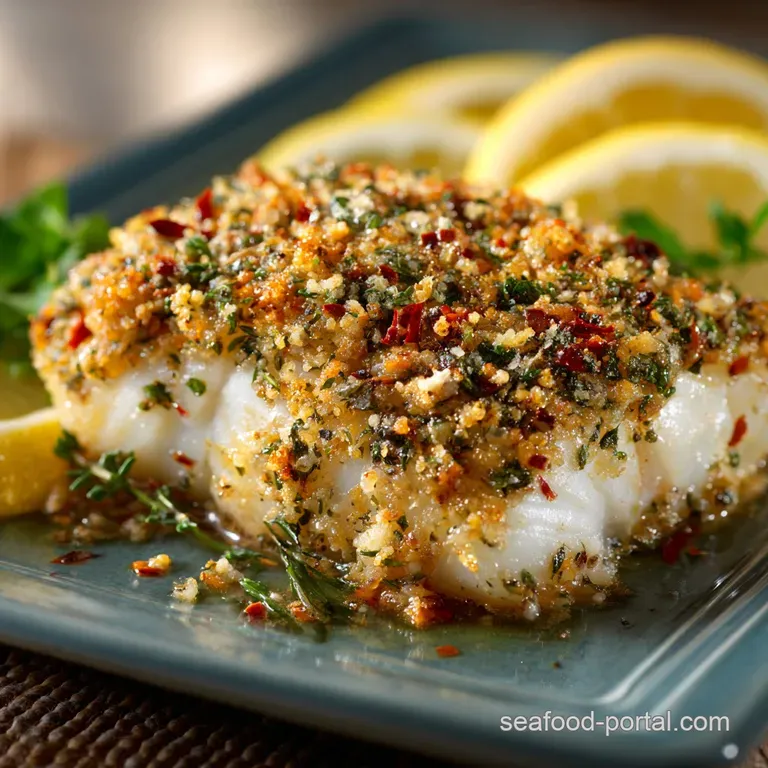
- The Best Baked Pollock Fish: Flaky, Moist, and Ready in Minutes
- The Science of Flavour: Why This Lemon-Herb Panko Crust Succeeds
- Essential Ingredients for Lemon-Herb Crusted Baked Pollock
- Step-by-Step Guide: How to Bake Pollock Fish Perfectly
- Expert Tips and Troubleshooting for Baked Pollock
- Storage and Reheating Baked Pollock: Maximizing Leftovers
- Perfect Pairings: What to Serve Alongside Baked Pollock
- Recipe FAQs
- 📝 Recipe Card
The Best Baked Pollock Fish: Flaky, Moist, and Ready in Minutes
Forget everything you think you know about baked white fish; it shouldn't taste like cardboard, period. When this Baked Pollock Fish hits the oven, your kitchen smells like a Mediterranean holiday think sunshine, fresh herbs, and bright lemon.
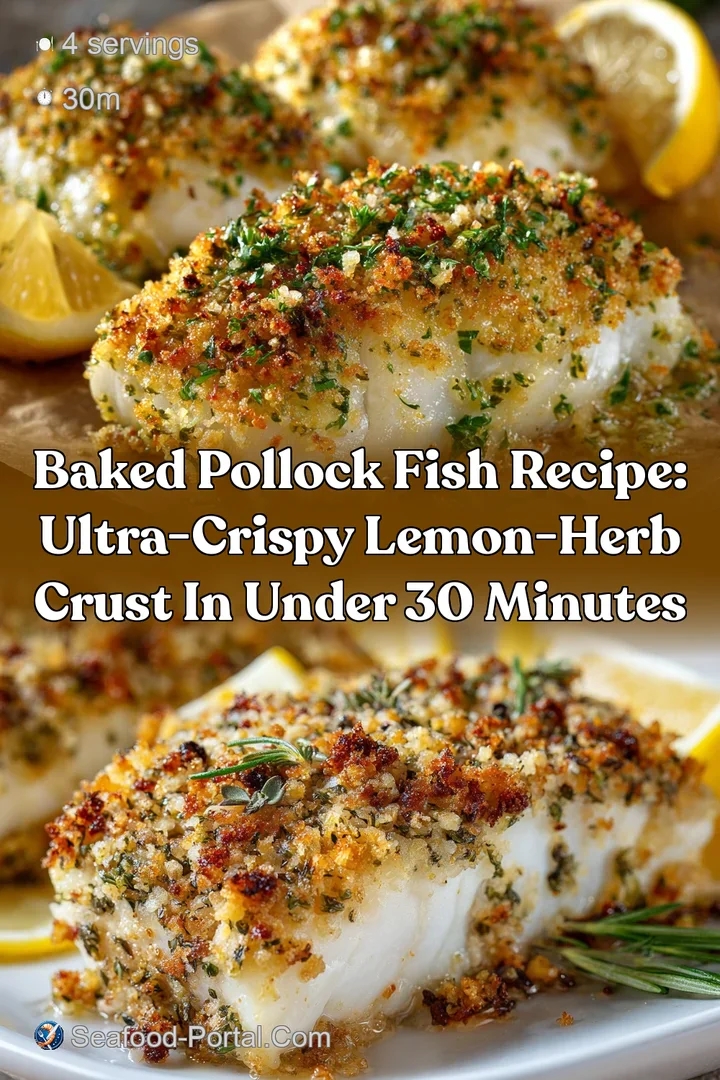
But the truly amazing part is that first bite, where tender, perfectly cooked pollock hides beneath a shatteringly crisp, golden crust.
Pollock is completely underrated, often overshadowed by its pricey cousins like Cod and Halibut, which is a massive mistake. This fish is incredibly cheap, cooks lightning fast, and delivers 30+ grams of lean protein per serving.
It’s the ultimate, budget friendly weeknight superhero when you need dinner on the table in under 30 minutes flat.
I’ve personally made every mistake possible with baking delicate white fish, from dry edges to sliding crusts that look sad and grey. Today, we are absolutely sidestepping those disasters with a brilliant, fool proof Lemon Herb Panko technique designed specifically for maximum moisture retention.
Let’s crack on and elevate your everyday Alaskan Pollock Recipes Baked !
The Science of Flavour: Why This Lemon Herb Panko Crust Succeeds
The Secret to Baking Pollock Without Drying It Out
The biggest risk when cooking lean white fish like pollock is overcooking; those delicate flakes turn rubbery the second they hit high temperatures for too long. My trick? We crank the oven up to 400°F (200°C) and use high fat butter in the crust.
This high heat ensures the Panko browns quickly, setting the crust before the internal temperature of the fish spikes too high.
Why Pollock is the Perfect Affordable Weeknight Fish
Pollock has a mild, almost sweet flavour, making it a fantastic blank canvas for strong seasoning. Because it’s widely available and sustainably harvested, it’s one of the most budget friendly white fish options out there.
It accepts flavour like a champion, making this simple Oven Baked Pollock recipe taste expensive without the hefty price tag.
Overview of the Lemon Herb Crusting Technique
We aren't just sprinkling breadcrumbs onto wet fish; we're creating a robust, buttery paste. By incorporating the Panko into melted butter, lemon zest, and fresh herbs, we create a mixture that adheres beautifully and provides consistent flavour distribution.
This simple step is why the crust stays on the fish, where it belongs.
The Panko Barrier: Locking in Moisture During Baking
Panko breadcrumbs are coarser and larger than traditional breadcrumbs, meaning they absorb less moisture from the fish during cooking. When baked, the butter soaked Panko forms a protective barrier on top of the fillet.
This barrier essentially steams the fish gently underneath, ensuring that the Baked Pollock Fillets Recipe results in the moistest fish imaginable.
Acid Activation: How Lemon Brightens Delicate White Fish
Lemon zest isn't just about smell; it contains powerful citrus oils that cut through the richness of the butter and provide an incredible fresh zing. Adding the zest directly into the crust ensures every bite is vibrant and delicious.
We save the actual lemon juice until the very end, just before serving, for a final, intense pop of flavour.
Quick Baking Times for Optimal Flakiness
We are aiming for a total cook time of between 12 and 15 minutes, depending on the thickness of your specific pollock fillets. Because pollock is thin and flaky, this is ample time to reach the required internal temperature (145°F / 63°C) without turning into shoe leather.
Quick Baking Times for Optimal Flakiness are non-negotiable here.
Essential Ingredients for Lemon Herb Crusted Baked Pollock
This recipe uses minimal, powerhouse ingredients you probably already have, making this one of the easiest Baked Pollock Recipes you will ever encounter.
Choosing the Right Pollock Fillets (Fresh vs. Frozen)
Look for thick, white fillets. If you are using frozen pollock (which is often the most accessible type), ensure you thaw it completely overnight in the fridge. It is critical to pat the fillets bone dry using paper towels before seasoning. Wet fish = mushy crust.
Pantry Staples for the Crispy Panko Topping
Panko is the star here, providing that beautiful, light crispness. We combine it with high-quality unsalted butter, fresh parsley, dill, lemon zest, and just a touch of minced garlic. Don't skip the fresh herbs; they make all the difference.
Herb Variations and Oil Considerations
If you hate dill, no problem! Thyme, finely chopped chives, or even dried oregano (use half the amount) work wonderfully here. While the recipe uses butter, you can swap it for quality olive oil if you need to be dairy-free, but butter truly gives the best golden colour and nutty flavour.
Ingredient Substitutions for Allergies and Preferences
If you can't find pollock, don't worry! This is the perfect technique for other white fish.
| Ingredient | Viable Substitute | Notes |
|---|---|---|
| Pollock Fillets | Cod or Haddock | Use the exact same method. If using thicker cuts of Cod, like in my 15Minute Parmesan Almond Baked Cod: Crispy, Keto Weeknight Fish , add 2- 3 minutes to the baking time. |
| Panko Breadcrumbs | Crushed Cornflakes or Fine, Dry Breadcrumbs | Cornflakes (not the sweet kind!) give a great crunch if you crush them finely. Traditional breadcrumbs will absorb more butter, so add slightly less. |
| Unsalted Butter | Melted Coconut Oil or Olive Oil Spread | Use the same volume; the texture of the crust might be slightly looser but the flavour is still great. |
| Fresh Dill & Parsley | 1 tbsp Dried Oregano & ½ tsp Onion Powder | Use dried herbs sparingly; they are much more potent than fresh ones. |
step-by-step Guide: How to Bake Pollock Fish Perfectly
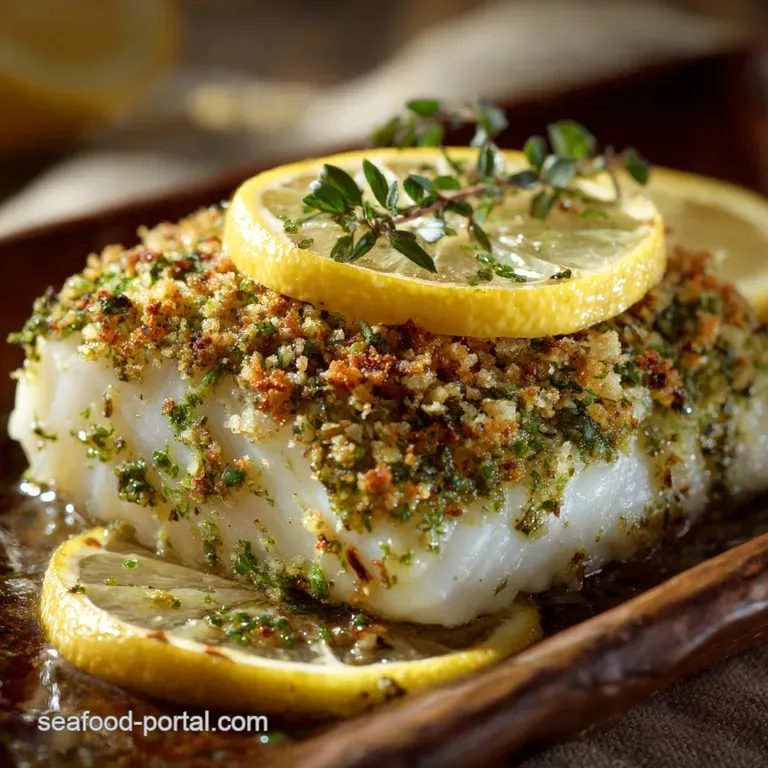
Prepping the Fish and Creating the Herb Mixture
- Preheat and Prep: Preheat your oven to a blazing hot 400°F (200°C). Line a baking sheet with parchment paper you'll thank me later when cleanup takes 3 seconds.
- Dry and Season: Pat those pollock fillets until they feel totally dry, then place them on the baking sheet. Drizzle with a tiny bit of olive oil, salt, and pepper. That's our base seasoning done.
- Mix the Crust: In a small bowl, melt your butter. Stir in the minced garlic and that gorgeous lemon zest, getting all those fragrant oils released. Then, fold in the Panko, chopped parsley, and dill until the mixture looks like damp, coarse sand.
Ensuring Maximum Adhesion of the Panko Crust
This is where the magic happens. You want to press the crust on firmly, almost moulding it to the top surface of the fish. Do not skimp on the Panko here. A thick, generous layer acts as the insulation needed to keep the moisture in.
Chef's Note: Applying the crust only to the top prevents the bottom from getting soggy. The high butter content essentially self bastes the fillet as it melts down the sides.
Achieving the Golden Brown Crunch (Baking Temperature and Time)
Bake the prepared fillets on the middle rack of the preheated oven for 12 to 15 minutes. The Panko mixture should bubble slightly, turn a deep golden brown, and release a lovely nutty aroma. If your oven is a bit weak, you can finish the last minute under the broiler, but watch it like a hawk!
Checking for Doneness: The Internal Temperature Test
The fish is done when it flakes easily when pressed gently with a fork. For ultimate safety, use an instant read thermometer: it should register 145°F (63°C) in the thickest part of the fillet. Trust the thermometer, not your clock.
Expert Tips and Troubleshooting for Baked Pollock
Avoiding the Dreaded Soggy Crust: Oil Application
The number one culprit for a soggy crust is residual moisture on the fish before application. However, a common mistake is also using too much oil or butter initially. The melted butter in the Panko is the fat source; you only need a thin drizzle of olive oil on the bare fish to help the base seasoning stick.
Identifying and Fixing Undercooked Fish
If the centre of your pollock is translucent or slightly resistant when flaked, it needs more time. If the crust is already perfectly golden, cover the fillets loosely with foil to prevent further burning and pop them back in for 2- 3 minutes.
If you’re unsure, remember: slightly undercooked is easier to fix than tragically overcooked.
Optimal Oven Rack Placement for Even Baking
Always use the middle rack. This position provides the best balance between direct heat (which crisps the crust) and ambient heat circulation (which cooks the fish evenly). If you bake too low, the bottom of the fish will cook too fast; if you bake too high, the Panko will burn before the centre is cooked.
How to Manage Thicker or Thinner Fillets
Pollock fillets vary wildly! If yours are thin (under 1 inch), start checking at 10 minutes. If they are very thick (closer to 1.5 inches), they may need up to 18 minutes. The key is monitoring the internal temperature, not just the clock.
Storage and Reheating Baked Pollock: Maximizing Leftovers
Safe Refrigeration Guidelines for Cooked Fish
Cooked pollock should be cooled quickly and stored in an airtight container in the refrigerator. It is safe to eat for up to 3 days. Anything past that, I get nervous, especially with delicate fish.
The Best Way to Reheat Crusted Pollock (Retaining Crispness)
You can microwave it, sure, but your crust will be sad and chewy. To restore the beautiful crispness, preheat your oven or, better yet, your air fryer to 350°F (175°C). Reheat for about 5 to 7 minutes until warmed through.
Never cover it during reheating ; let that moisture evaporate so the crust gets its crunch back!
Perfect Pairings: What to Serve Alongside Baked Pollock
This Easy Pollock Recipe is meant to anchor a vibrant, light meal. The bright, acidic crust pairs wonderfully with starchy comfort foods and fresh greens.
- Proper Potato Sides: You can’t go wrong with chunky, oven baked chips or simple crushed New Potatoes tossed in chives and butter.
- The Green Factor: A quick side of steamed green beans or asparagus tossed with a little extra lemon zest works beautifully.
- Sauce It Up: While the fish is flavourful enough on its own, a quick, homemade tartar sauce is always a welcome addition. If you love crispy fish texture, you might also like reading up on how to make a proper Crispy Fish Batter Recipe: Golden, Shattery Crunch Guaranteed for those days when you crave something fried.
Recipe FAQs
Is it better to bake pollock at 350°F or 400°F?
For flaky, moist pollock, 400°F (200°C) is generally recommended because it minimizes the cooking time, thereby reducing overall moisture loss. This higher temperature also helps the panko crust brown quickly and achieve maximum crispness before the delicate fish interior overcooks.
How do I ensure my baked pollock develops a truly crispy crust?
The secret to a crispy crust lies in the panko preparation and the baking setup. Ensure the panko is thoroughly mixed with melted butter or oil before coating the fish, and press the mixture firmly onto the fillets for maximum adhesion.
Baking the fish directly on an oven rack placed over a baking sheet (or using perforated parchment) allows air to circulate underneath, preventing a soggy bottom.
Can I use frozen pollock fillets directly, or should I thaw them first?
While thawed fish yields the best texture, you can bake pollock from frozen, but you must increase the cooking time by 50% to 100%. If baking from frozen, pat the fish extremely dry before applying seasonings, and wait until the last 10 minutes of cooking before adding the panko crust to prevent it from becoming waterlogged.
What is the most basic approach for baking pollock if I skip the panko crust?
For a simple preparation, lightly brush the pollock fillets with olive oil, seasoning generously with salt, pepper, paprika, and garlic powder. Add a few fresh lemon slices on top to keep the fish moist and bright. Bake at 400°F (200°C) for 10 12 minutes until it flakes easily with a fork.
Why did my baked pollock turn out dry and rubbery?
Pollock is a very lean fish, making it highly susceptible to becoming dry if overcooked, which is the primary cause of rubbery texture. To prevent this, always use an instant read thermometer and remove the fish from the oven the moment it reaches an internal temperature of 145°F (63°C).
The fish will continue cooking slightly from residual heat once removed.
How should I store leftover baked pollock, and can I freeze it?
Store leftover baked pollock in an airtight container in the refrigerator for up to three days; reheating is best done gently in a low-heat oven or air fryer to maintain moisture. While safe, freezing baked fish is not recommended as the delicate texture and crispy crust will degrade significantly upon thawing and reheating.
Can I prepare this recipe using other types of white fish?
Absolutely; this lemon herb panko crust technique works beautifully for many other lean, white, flaky fish types. Excellent substitutes include cod, haddock, tilapia, or snapper. You may need to adjust the total baking time slightly based on the thickness of the fillet you choose.
Baked Pollock Fish With Lemon Panko
Ingredients:
Instructions:
Nutrition Facts:
| Calories | 400 kcal |
|---|---|
| Protein | 32.7 g |
| Fat | 17.5 g |
| Carbs | 25.7 g |
