Baked Crab Cakes: Golden and Tender
- Time: Active 15 minutes, Passive 15 minutes, Total 30 minutes
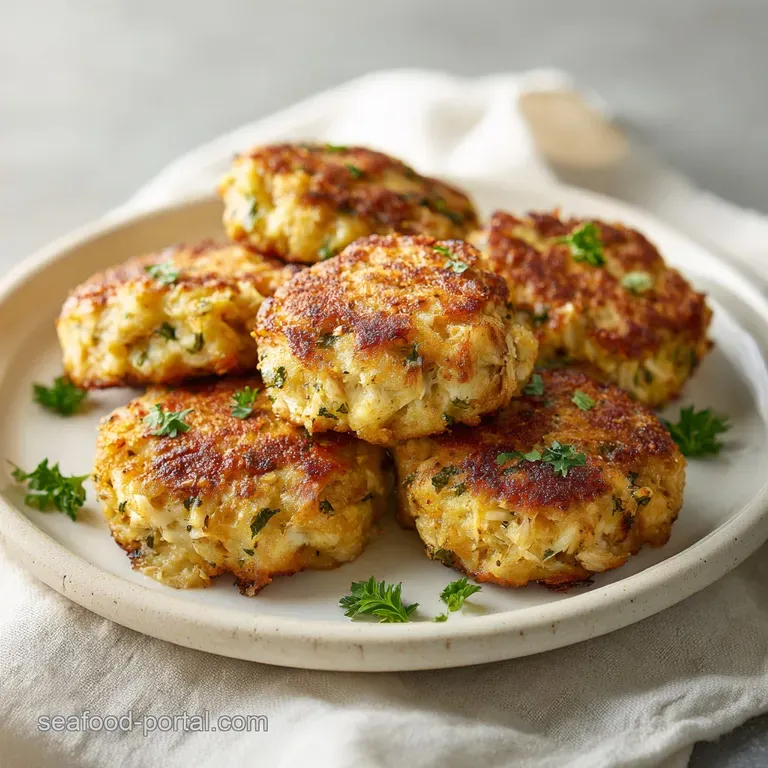
- Flavor/Texture Hook: Golden brown buttery exterior with tender, citrus kissed jumbo lumps
- Perfect for: Elegant weekend dinners or impressive holiday appetizers
- Authentic Maryland Traditions for the Best Baked Crab Cakes
- Structural Integrity Through Cold Binder Emulsions
- Key Specifications for Your Kitchen Success
- Curating the Highest Quality Coastal Elements
- Necessary Tools for a Flawless Result
- Mastering the Delicate Assembly Process
- Navigating Common Culinary Pitfalls Effectively
- Adjustments for Various Nutritional Lifestyles
- Preserving Quality During Storage and Reheating
- Complementary Flavors for a Coastal Feast
- Recipe FAQs
- 📝 Recipe Card
Authentic Maryland Traditions for the Best Baked Crab Cakes
Walk along the docks in Annapolis or through a seaside market in Baltimore, and the air smells like one thing: salt water and Old Bay seasoning. It is a scent that gets into your clothes and your hair, and honestly, we wouldn't have it any other way.
For folks in the Mid Atlantic, a crab cake isn't just a meal, it's a piece of cultural identity. I remember sitting on newspaper covered picnic tables as a kid, watching my grandmother carefully sort through a pile of blue crab meat.
She used to say that a good crab cake should look like a pile of crab held together by a prayer, and she was right.
The secret to this coastal staple is restraint. We aren't making a bread roll with a hint of seafood, we're making a celebration of the crab itself. Most people think they need to deep fry these to get that satisfying crunch, but I've found that the oven actually treats the delicate meat with more respect.
When you bake them, you don't have to worry about the cakes disintegrating as you try to flip them in a puddle of hot oil. It's a much more relaxed way to cook, and the results are consistently better.
We are aiming for a specific sensory experience here. When these come out of the oven, the house smells of toasted butter and bright lemon. The first bite should offer a slight shatter of the Ritz cracker crust followed immediately by the velvety, sweet flake of the lump crab.
It's about finding that balance between the richness of the mayonnaise and the sharp, herbal punch of fresh parsley. Let's get into the details of why this specific method works so well for your home kitchen.
Structural Integrity Through Cold Binder Emulsions
Getting the physics of a crab cake right is a bit like a balancing act. You want the least amount of "glue" possible, but you also don't want your dinner to turn into a pile of loose crab on the plate.
- Cold Protein Binding: Using a cold egg and chilled mayonnaise creates a thick, viscous suspension that grips the crab lumps without soaking into them.
- Starch Hydration: The crushed Ritz crackers act as tiny sponges, absorbing just enough moisture from the egg and lemon juice to become tacky while maintaining their structural shape.
- Convection Browning: The high heat of a 425°F oven causes the moisture in the melted butter to evaporate rapidly, creating a localized steam effect that crisps the cracker crumbs before the crab can overcook.
- Fat Stabilization: The Dijon mustard acts as a natural stabilizer, keeping the mayonnaise from breaking into oil during the 15 minutes of baking.
| Thickness | Internal Temp | Rest Time | Visual Cue |
|---|---|---|---|
| 1.5 inches | 145°F | 3 minutes | Edges turn deep mahogany |
| 1 inch | 145°F | 2 minutes | Golden brown and firm |
| 2 inches | 150°F | 5 minutes | Bubbling around the base |
Every kitchen is a little different, and the size of your crab lumps can actually change how the heat moves through the cake. If you've got massive jumbo lumps, the heat takes a second longer to reach the center compared to shredded "backfin" meat.
I always suggest keeping an eye on that mahogany color at the edges, that's your sign that the natural sugars in the crab and the fats in the crackers are doing their job.
Key Specifications for Your Kitchen Success
| Component | Science Role | Pro Secret |
|---|---|---|
| Fresh Lump Crab | Primary Protein | Pick through it twice; shells are the ultimate vibe killer. |
| Ritz Crackers | Moisture Control | Don't pulverize them; small chunks provide the best texture. |
| Large Egg | Binding Agent | Whisk until frothy to ensure even distribution of the Old Bay. |
| Lemon Zest | Acid Balance | Only use the yellow part; the white pith is too bitter for seafood. |
Before you even crack an egg, make sure your crab meat is actually cold. Warm crab meat releases its natural juices too quickly, which can lead to a soggy cake. I usually keep mine in the fridge until the very second I'm ready to fold it into the binder.
It makes a world of difference in how the final product holds its shape on the baking sheet.
Curating the Highest Quality Coastal Elements
- 1 lb fresh lump crab meat: This is the star. If you can find Maryland blue crab, get it. Why this? Lump meat provides the signature texture that makes these cakes feel premium.
- Substitute: Claw meat. It's cheaper and more flavorful, though less "pretty" than lump.
- 1/2 cup crushed Ritz crackers: These add a buttery saltiness that breadcrumbs just can't match. Why this? The high fat content in Ritz helps the exterior brown beautifully.
- Substitute: Saltine crackers for a more traditional, slightly drier finish.
- 1/4 cup high-quality mayonnaise: This provides the moisture and fat needed for a silky interior. Why this? Real mayo acts as the primary fat source for the internal "sauce."
- Substitute: Greek yogurt for a tangier, lower fat version (note: it will be softer).
- 1 tbsp Dijon mustard: This adds a sharp, vinegary punch to cut through the richness. Why this? It helps stabilize the binder so it doesn't leak out.
- Substitute: Yellow mustard for a more classic, "boardwalk" flavor profile.
- 1.5 tsp Old Bay Seasoning: The quintessential seafood spice. Why this? The celery salt and paprika notes are non negotiable for authenticity.
- Substitute: A mix of celery salt, black pepper, and cayenne.
- 1 large egg: The structural glue. Why this? Egg proteins set during baking to hold the crab together.
- Substitute: A "flax egg" (1 tbsp ground flax + 3 tbsp water) for egg free needs.
- 2 tbsp unsalted butter, melted: For that final golden glow. Why this? Butter fat browns much better than oil in the oven.
- Substitute: Olive oil, though you'll lose that signature dairy richness.
- 2 tbsp fresh flat leaf parsley: For color and a grassy freshness.
- 1 tsp Worcestershire sauce: For a hidden layer of savory umami.
- 1/2 tsp lemon zest: To brighten up the heavy flavors.
- Lemon wedges: For serving.
Necessary Tools for a Flawless Result
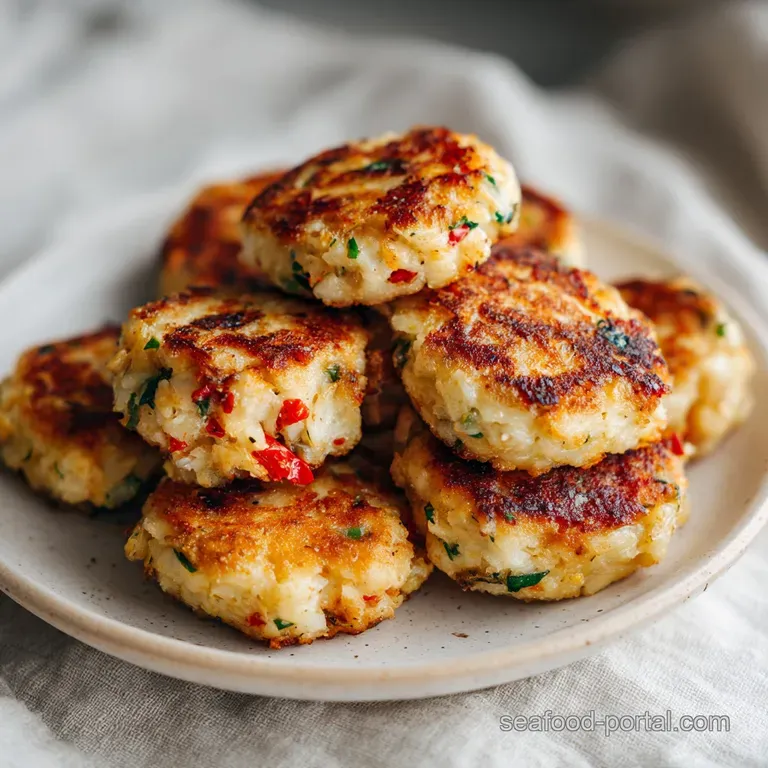
You don't need a professional kitchen to make these, but a few specific items will make your life much easier. First, grab a rimmed baking sheet. The rim is important because as the butter melts and the crab releases a little moisture, you don't want anything dripping onto the floor of your oven and smoking up the house.
Trust me, I've made that mistake, and the smoke alarm is a terrible dinner guest.
I also highly recommend using parchment paper rather than just greasing the pan. Crab meat is notoriously sticky because of its high protein content. If you bake these directly on metal, you'll likely leave half the cake behind when you try to lift it. A good rubber spatula is your best friend here, too.
You want to fold the mixture, not stir it. Stirring breaks up those beautiful lumps of crab, turning your masterpiece into a bowl of mush. If you're feeling fancy, an ice cream scoop (the kind with the thumb lever) ensures every cake is exactly the same size, which means they all finish cooking at the exact same moment.
Mastering the Delicate Assembly Process
- Heat the environment. Preheat your oven to 425°F (220°C). Line a rimmed baking sheet with parchment paper to prevent sticking. Note: A hot oven is crucial for that immediate "sear" effect.
- Clean the crab. Gently pick through the 1 lb fresh lump crab meat to ensure no shell fragments remain, being careful not to break up the large lumps. Note: Use your fingers, not a fork, to feel for the hard bits.
- Build the emulsion. In a mixing bowl, whisk together 1/4 cup mayonnaise, 1 beaten egg, 1 tbsp Dijon mustard, 1 tsp Worcestershire sauce, 1.5 tsp Old Bay seasoning, and 1/2 tsp lemon zest until a smooth, pale yellow emulsion forms.
- Incorporate the aromatics. Add the 2 tbsp chopped parsley to the wet mixture and stir once. You should smell the bright citrus and celery salt immediately.
- Fold gently. Add the crab meat and 1/2 cup crushed Ritz crackers to the bowl. Using a rubber spatula, gently fold the ingredients together until the crab is just coated in the binder.
- Portion the cakes. Using an ice cream scoop or measuring cup, portion the mixture into 6 mounds (approx 4-5 oz each) onto the prepared baking sheet.
- Shape for success. Gently press down on the tops to form thick discs. The texture should feel loose but cohesive.
- Add the fat. Drizzle 2 tbsp melted butter evenly over the tops of the cakes to encourage golden browning.
- The final bake. Bake for 15 minutes until the exterior reaches a deep mahogany brown and the tops are sizzling.
- Rest and serve. Let them sit on the pan for 2 minutes to firm up, then serve immediately with lemon wedges.
Navigating Common Culinary Pitfalls Effectively
One of the biggest heartbreaks is watching your beautiful crab cakes slump and spread into a pancake in the oven. This usually happens because the binder was too thin or the crab was too wet. If your mixture feels a little "soupy" after mixing, don't just keep adding crackers.
Instead, put the bowl in the fridge for 30 minutes. This allows the crackers to fully hydrate and the fats in the mayo to firm up, making the cakes much easier to handle.
Fixing a Falling Apart Cake
If you find that the cakes are struggling to stay together as you portion them, it's often a sign that the crab lumps are too large or the binder hasn't emulsified. You can gently "pinch" a few of the larger lumps to create smaller pieces that act as a bridge between the big chunks. If you're still worried, you can check out my Classic Crabbies recipe for a spreadable version that is much more forgiving for beginners.
| Problem | Root Cause | Solution |
|---|---|---|
| Cakes are dry | Overcooked or too much filler | Reduce bake time by 2 mins; use fewer crackers next time. |
| Falling apart | Not enough binder or handled too much | Chill the mixture for 30 mins before shaping. |
| Too salty | Excess Old Bay or salted crackers | Use unsalted butter and low sodium crackers to balance. |
Common Mistakes Checklist
- ✓ Don't over process the crackers; you want small pieces for crunch, not a fine flour.
- ✓ Ensure the oven is fully preheated before the cakes go in; a lukewarm oven leads to soggy bottoms.
- ✓ Resist the urge to flip them; these are Baked Crab Cakes, and the top down heat is enough.
- ✓ Drain any excess liquid from the crab container before adding it to the bowl.
- ✓ Let the cakes rest for 2 full minutes after baking; this helps the proteins "set" so they don't break when lifted.
Adjustments for Various Nutritional Lifestyles
If you are looking for a gluten-free alternative, the fix is actually very simple. Swap the Ritz crackers for crushed gluten-free saltines or even almond flour. Almond flour provides a lovely nutty flavor, though it won't be quite as "crispy crunchy" as the cracker version.
For a keto friendly option, you can use crushed pork rinds. It sounds wild, but the fat in the pork rinds mimics the buttery nature of the crackers perfectly.
| Original Ingredient | Substitute | Why It Works |
|---|---|---|
| Ritz Crackers | Almond Flour | High fat content keeps it moist. Note: Denser texture than crackers. |
| Mayonnaise | Avocado Oil Mayo | Same creamy texture with heart healthy fats. |
| Unsalted Butter | Ghee | Higher smoke point and richer, toasted flavor. |
If you want a bit more kick, you can always serve these with a side of my Boiling Crab Sauce for a spicy, buttery dipping experience that takes these coastal cakes in a whole new direction.
Preserving Quality During Storage and Reheating
If you have leftovers (and that’s a big "if"), you can keep them in an airtight container in the fridge for up to 2 days. To reheat, avoid the microwave at all costs. The microwave will turn that beautiful crab into something resembling rubber.
Instead, pop them back into a 350°F oven for about 8-10 minutes until they are heated through and the exterior crisps back up.
For zero waste cooking, don't throw away the liquid at the bottom of the crab container. It’s packed with flavor. You can whisk a teaspoon of it into your tartar sauce or add it to a seafood stock. If you have extra parsley stems, freeze them in a bag for your next batch of homemade vegetable broth.
Nothing goes to waste in a seafood kitchen!
Complementary Flavors for a Coastal Feast
When it comes to serving, keep it simple. A crisp green salad with a light vinaigrette or some roasted asparagus works beautifully. The goal is to provide a fresh, acidic counterpoint to the rich, buttery crab. Some people swear by tartar sauce, while others are strictly "lemon only" purists.
I personally like a tiny dab of remoulade with extra horseradish to clear the sinuses.
| Method | Time | Texture | Best For |
|---|---|---|---|
| Oven Baked | 15 minutes | Uniformly tender, crisp top | Large batches and easy cleanup |
| Stovetop Pan Fry | 8 minutes | Deeply charred crust | Maximum crunch for 1-2 people |
| Air Fryer | 10 minutes | Very crispy exterior | Quick lunches and small servings |
If you want a crunchier crust, do a double dredge. Lightly coat the shaped cakes in extra cracker crumbs before baking. If you want a more luxurious feel, do a butter baste. Brush the cakes with extra butter halfway through the 15 minute bake time.
If you want a lighter meal, do a smaller portion. Make 12 mini cakes instead of 6 large ones and reduce the bake time to 10 minutes.
Debunking Culinary Myths
One major myth is that you must "sear" the cakes in a pan to "lock in juices." In reality, searing doesn't lock in anything; it just creates flavor through browning. The oven does this just as effectively at 425°F without the risk of the cake falling apart during the flip.
Another myth is that more filler makes a "sturdier" cake. Actually, too much bread or cracker can make the cake heavy and dry because the starch sucks the moisture right out of the crab meat. Balance is everything.

Recipe FAQs
How do I cook crab cakes in the oven?
Preheat your oven to 425°F and line a baking sheet with parchment paper. Portion the mixture into 6 mounds, press them into thick discs, drizzle with melted butter, and bake for 15 minutes until deep mahogany brown.
What temperature should a crab cake be cooked at?
Bake them at 425°F. This high heat is essential to achieve a deep golden exterior within the 15-minute cooking window without overcooking the delicate lump crab meat.
Is it better to fry or bake crab cakes?
Baking is superior for a lighter, cleaner finish that preserves the texture of the lump crab. If you enjoyed the gentle heat approach used for perfectly tender oven-roasted fish, you will appreciate how this method keeps the crab cakes moist while browning them evenly.
How long to heat crab cakes in the oven at 425 degrees?
Bake for exactly 15 minutes. This timing ensures the exterior reaches a deep mahogany brown and the center is heated through while maintaining a delicate, cohesive structure.
Is it true I should flip the crab cakes while they are in the oven?
No, this is a common misconception. You should never flip them, as the top-down heat is sufficient to brown the buttered surface, and flipping risks breaking the delicate lump crab meat.
Why are my crab cakes falling apart?
Excess moisture or over mixing are the most likely causes. Ensure you drain all liquid from the crab container before mixing and handle the crab gently with a spatula to keep the lumps intact.
How do I know when the crab cakes are finished?
Look for a deep mahogany brown color on the exterior and ensure they have rested for 2 minutes after removing them from the oven. This short rest allows the proteins to set, making them firm enough to lift without crumbling.
Baked Crab Cakes
Ingredients:
Instructions:
Nutrition Facts:
| Calories | 214 calories |
|---|---|
| Protein | 16.7 g |
| Fat | 14.6 g |
| Carbs | 3.3 g |
| Fiber | 0.2 g |
| Sugar | 0.6 g |
| Sodium | 315 mg |
