Bahamian Boiled Fish with Lime and Potatoes: Sunshine in a Bowl
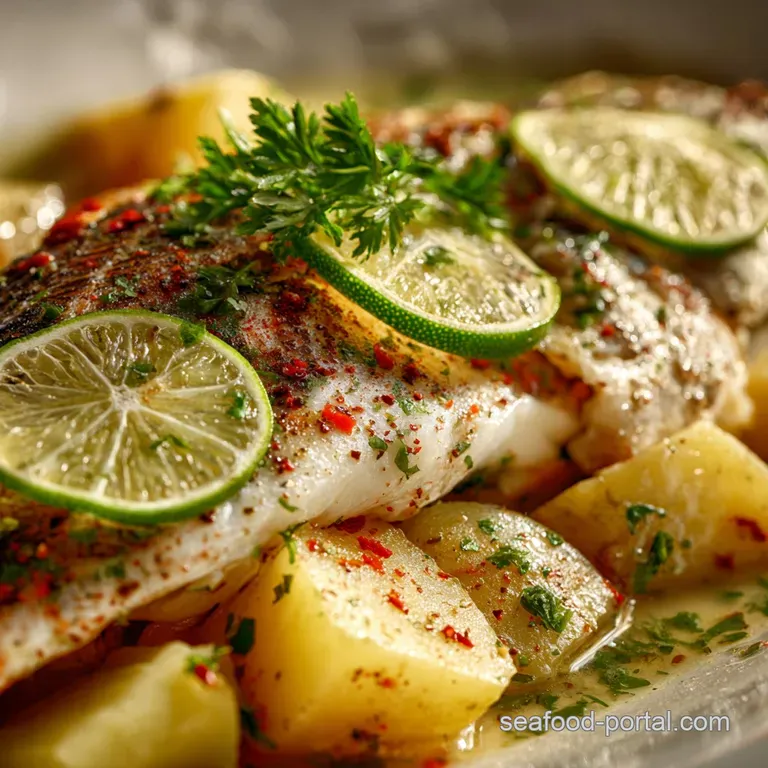
- The Definitive Bahamian Boiled Fish with Lime and Potatoes Recipe
- Culinary Science: Why the Lime and Thyme Broth Shines
- Essential Ingredients for Authentic Bahamian Boiled Fish
- Step-by-Step: Preparing Your Bahamian Boiled Fish with Lime and Potatoes
- Chef's Troubleshooting: Mastering the Fish Boil
- Storing and Reheating Your Boiled Fish
- Traditional Pairings: What to Serve with Bahamian Boiled Fish
- Recipe FAQs
- 📝 Recipe Card
The Definitive Bahamian Boiled Fish with Lime and Potatoes Recipe
Forget what you think you know about fish soup this classic Bahamian Boiled Fish recipe is pure sunshine in a bowl. When that steaming, fragrant broth hits you all bright, zesty lime and savory thyme you instantly feel the stress melt away.
It's the ultimate restorative comfort food, straight from the Caribbean islands.
You might assume "boiled fish" sounds a bit bland or boring, but trust me, this is intensely flavorful and satisfying. It’s incredibly fast, often done in under an hour, and requires almost zero fussy cooking technique.
This specific recipe is my go-to when I need maximum flavor payoff with minimal kitchen cleanup.
We’re talking flaky, tender white fish, soft potatoes, and a clean broth so tangy and savoury it feels like a vacation. Stop boiling away your lime flavor! Let's crack on and master this authentic, easy Bahamian Boiled Fish with Lime and Potatoes.
Culinary Science: Why the Lime and Thyme Broth Shines
This simple dish is truly brilliant because it relies on two fundamental culinary concepts: building a deep aromatic base and controlling the acidity level at the very end. We aren't making a heavy cream based chowder here. The goal is clarity.
A Taste of Nassau: The History of Bahamian Boil
This famous Fish Boil Recipe is often cited as the ultimate island hangover cure, but it’s also just a beautiful family meal. It showcases how island cooking traditionally uses fresh, local catches combined with hardy staples like potatoes and easily grown herbs like thyme.
This style of cooking is all about maximizing flavor without complicated sauces or techniques.
The Ultimate Comfort Cure: Why Fish Boil is Restorative
There is something inherently healing about a clean, hot broth packed with protein and simple starches. The combination of hydration, lean fish, and the citrus blast from the lime gives you an instant pick-me-up. It's the perfect light yet hearty meal when you need dinner ready fast.
Decoding the Dish: What Makes This Recipe Different?
Unlike some seafood stews, we strictly limit the vegetables here to focus entirely on the fish and the vibrant broth. The fresh thyme and the whole Scotch Bonnet pepper infuse slowly into the water, creating a deep, savory, slightly spicy base.
The critical difference is adding the lime juice after the heat is turned off.
Prep Time and Difficulty: Getting Started
You really only need about 15 minutes of chopping before the pot goes on the stove. This dish is firmly in the easy-to-medium difficulty range. As long as you respect the fish and the pepper, you’ll be fine.
The Perfect pH Balance: Lime's Role in Brightness
When you boil citrus, the high heat breaks down the volatile oils and can make the juice taste dull or even bitter. By stirring in that big half cup of fresh lime juice right at the end, the broth retains its sharp, vibrant tang. This final step is what cuts through the richness and lifts the entire dish.
Achieving a Clean Broth: Avoiding Murkiness
A lot of people mess up their Caribbean Fish Soup by tossing everything in at once. We achieve clarity by simmering the potatoes and onions first, which allows any starch or proteins to be skimmed if necessary (though usually unnecessary with this method).
More importantly, we add the fish gently and never let the broth return to a rolling, violent boil once the delicate protein is submerged.
Chef's Note: If you want a truly spectacular broth, consider substituting low-sodium fish stock for the water. The depth of flavor is undeniable, although water is traditional and still works beautifully.
Essential Ingredients for Authentic Bahamian Boiled Fish
This recipe doesn't need a huge list of fancy items. Quality ingredients make the biggest impact here.
Selecting the Best White Fish (Grouper or Snapper)
Authentically, this Bahamian Boiled Fish Recipe calls for firm, flaky white fish like Grouper or Red Snapper. These fish have excellent flavor and, crucially, hold their shape well when gently simmered. If you prefer a totally different texture, you could try my recipe for Grilled White Fish: Mediterranean Cod Recipe for Flaky Results , but for this boil, stick to thick cuts.
The Importance of Fresh Thyme and Citrus
Don't use dried thyme sprigs here if you can avoid it. Fresh thyme imparts a clean, earthy, slightly peppery aroma that permeates the broth perfectly. And please, use fresh limes! Bottled juice is a tragedy in this recipe; the difference in flavour is enormous.
Potato Varieties: Which Holds Up Best in a Boil?
You need a potato that can soften without completely disintegrating into mash. Russet potatoes are excellent because they absorb the salty broth beautifully. Yukon Golds also work well if you prefer a slightly waxy, less crumbly texture. Cut them evenly so they cook at the same rate.
Simple Substitutions and Variations
| If you don't have... | You can use... | Notes |
|---|---|---|
| Grouper or Snapper | Halibut or thick cut Cod | Ensure the cuts are at least 1.5 inches thick to prevent disintegration. |
| Scotch Bonnet Pepper | 1/4 tsp dried Habanero flakes or a dash of Cayenne | Add pure heat, but you lose the fruity aroma. Use sparingly at the end. |
| Fresh Thyme Sprigs | 1 tsp dried thyme | Add the dried thyme when the potatoes are halfway cooked to bloom the flavor. |
| Water | Low-Sodium Fish Stock | Use stock for a richer, deeper overall Fish Dinner Recipe flavor. |
step-by-step: Preparing Your Bahamian Boiled Fish with Lime and Potatoes

Let's walk through how to layer the flavors correctly. This is one of those recipes where the steps really matter for the final texture.
Preparing the Aromatic Base and Broth
- Chop and Combine: Peel your potatoes and onions, cutting the potatoes into even 1 inch cubes. Combine the water (or stock), potatoes, onion, thyme sprigs, bay leaf, and the majority of the salt and pepper in your stockpot.
- Season Heavily: Remember, the broth needs to be aggressively seasoned at this stage because the potatoes and the fish will absorb much of that salt. It should taste slightly too salty right now. Bring the whole mixture to a rolling boil over high heat.
Simmering the Potatoes to Tenderness
- Low and Slow: Reduce the heat immediately to maintain a steady, gentle simmer. Partially cover the pot and let the potatoes cook for 15– 20 minutes. They should be easily pierced with a fork but not falling apart.
- Introduce the Heat: Gently place the whole Scotch Bonnet or Goat Pepper into the simmering broth. Do not poke, slice, or bruise the pepper unless you want a truly scorching experience. The intact skin allows the aromatic heat oils to infuse slowly.
The Critical Step: Adding and Cooking the Fish
- Prep the Fish: Pat your Grouper or Snapper fillets dry and season them lightly with a pinch of salt and pepper.
- Add Protein Gently: Carefully lower the fish portions into the simmering broth, ensuring they are mostly submerged. Reduce the heat if necessary; you want the broth barely bubbling.
- Watch the Clock: Cover the pot again and let the fish simmer for 8– 12 minutes. The cooking time depends heavily on the thickness. The fish is ready when it is opaque throughout and flakes with almost no effort.
Final Brightening and Plating
- Stop the Heat: Turn off the heat immediately when the fish is cooked. Retrieve and discard the thyme sprigs, the bay leaf, and most importantly, the whole Scotch Bonnet pepper.
- The Finishers: Stir in the generous amount of fresh lime juice and the two tablespoons of unsalted butter. The butter adds a wonderful, slightly glossy sheen to the broth, transforming the look and mouthfeel instantly.
- Taste and Serve: Taste the broth one last time and add a final pinch of salt or pepper if needed. Ladle the hot broth, soft potatoes, and fish into deep bowls. Garnish with lime zest and serve immediately for the ultimate restorative experience.
Chef's Troubleshooting: Mastering the Fish Boil
Even though this is an easy dish, there are a few places where people stumble.
Preventing Fish from Falling Apart (Managing the Simmer)
This is the number one complaint. You must avoid a hard boil once the fish is added. If you have large, thick fillets, they need gentle, steady heat to cook through without violently breaking up the fragile layers. Look for the faintest bubbles, not a rolling action.
Adjusting Acidity: When to Add More Lime Juice
If your broth tastes flat after adding the recommended amount of lime juice, it probably means your limes were small or low on acid. The fix is easy: add another tablespoon of fresh lime juice, stir, and taste again. The Bahamian Boiled Fish with Lime and Potatoes should have a definitive, assertive tang.
The Salt Conundrum: Salting the Potatoes vs. the Fish
The proper technique is to salt the broth aggressively before the fish goes in. If you salt the fish heavily beforehand, it draws moisture out, which can actually toughen the protein during cooking. The broth is the seasoning vessel.
Common Mistake: Overcrowding the Pot
Trying to cram six portions into a medium pot is a recipe for disaster. The water temperature will drop too much, and the fish won't cook evenly or gently. Plus, overcrowding increases the chance of fish pieces knocking into each other and disintegrating. Use a pot large enough so the fish sits in a single layer.
Storing and Reheating Your Boiled Fish
This recipe is best eaten fresh, but leftovers are totally viable if handled correctly.
Fridge Storage: Separating Solids from Broth
Store the solids (fish and potatoes) and the broth separately in airtight containers in the fridge. This prevents the potatoes from becoming soggy and the fish from drying out in the intense acid of the broth. It keeps well for 3 4 days.
Best Practices for Freezing the Broth
Does the broth freeze well? You bet. The lime thyme broth is a fantastic candidate for freezing. Ladle it into freezer safe containers, leaving headspace, and freeze for up to 3 months. Do not freeze the fish or potatoes. They become mealy and watery upon thawing.
If you are prepping ahead, cook the broth entirely, freeze it, and add fresh fish and potatoes when you reheat.
Traditional Pairings: What to Serve with Bahamian Boiled Fish
This Fish Dinner Recipe doesn't need much accompaniment, but a good carbohydrate for dipping is essential.
Crispy Bread for Dipping
You simply need something to soak up that beautiful, zesty broth. Toast up some thick slices of rustic French bread or serve it alongside traditional Johnnycake. If you are looking for other easy seafood ideas that go well with rice or bread, definitely check out my Shrimp Etouffe: Authentic Louisiana Recipe with a Dark Roux .
Cooling Contrast
A small bowl of sliced, creamy avocado is the perfect cooling textural element against the hot, tangy soup. A little fresh avocado purée swirled into the bowl is also amazing.
Finishing Touches
A simple topping of thinly sliced scallions (spring onions) adds a sharp, fresh bite that complements the lime beautifully.
Recipe FAQs
What type of fish works best for this boiled preparation?
You should use firm, white, flaky fish that can hold up to simmering, such as Snapper, Grouper, or firm Cod. Avoid very delicate fish like sole or tilapia, as they can easily disintegrate and make the broth cloudy during the 20-minute cooking period.
My broth turned cloudy instead of staying clear. What went wrong?
A cloudy broth is typically caused by cooking at too high a temperature (boiling vigorously instead of simmering gently) or by excessive starch release. Ensure you rinse the cut potatoes thoroughly before adding them and skim any initial foam or impurities that rise to the surface early in the simmer.
The recipe calls for a lot of lime juice. Will the soup taste too sour?
No, the acidity is crucial to the authentic Bahamian flavor and mellows significantly as it cooks down with the potatoes and fish proteins. The lime brightens the savory elements of the broth, creating a balanced and zesty profile that prevents the dish from tasting heavy.
If you are extremely sensitive to tartness, you may reserve one tablespoon of juice until the end for adjustment.
How do I add a traditional Bahamian heat element to the soup?
For a traditional spice kick, many chefs add a whole Scotch Bonnet or Habanero pepper right at the start of the simmering process. Be careful not to puncture the pepper if you want a subtle warmth; pierce it once with a fork for a more intense infusion of heat.
Can I store and reheat leftovers, and how long will they keep?
Yes, you can store leftovers in an airtight container in the refrigerator for up to 3 days. Be aware that the potatoes and fish will continue to absorb liquid, meaning the soup will be much thicker when reheated. Reheat gently on the stovetop and add a splash of water or stock if needed to loosen the consistency.
What kind of potatoes should I use, and can I omit them?
Waxy potatoes, such as Yukon Golds or Red Bliss, are highly recommended because they maintain their shape during the extended simmering time. You can certainly omit them if desired, but they are essential for thickening the broth slightly and adding necessary body to the final dish.
Is this recipe suitable for freezing?
Freezing is not ideal for this specific recipe due to the ingredients. The potatoes become mealy and gritty when thawed, and the texture of the fish tends to dry out and toughen. If you must freeze, it is best to remove the potatoes beforehand and add fresh, cooked potatoes when reheating the soup base.
Bahamian Boiled Fish With Lime And Potatoes

Ingredients:
Instructions:
Nutrition Facts:
| Calories | 240 kcal |
|---|---|
| Protein | 4.5 g |
| Fat | 15.7 g |
| Carbs | 23.2 g |
