The Proper Louisiana Shrimp Jambalaya Onepot Perfection
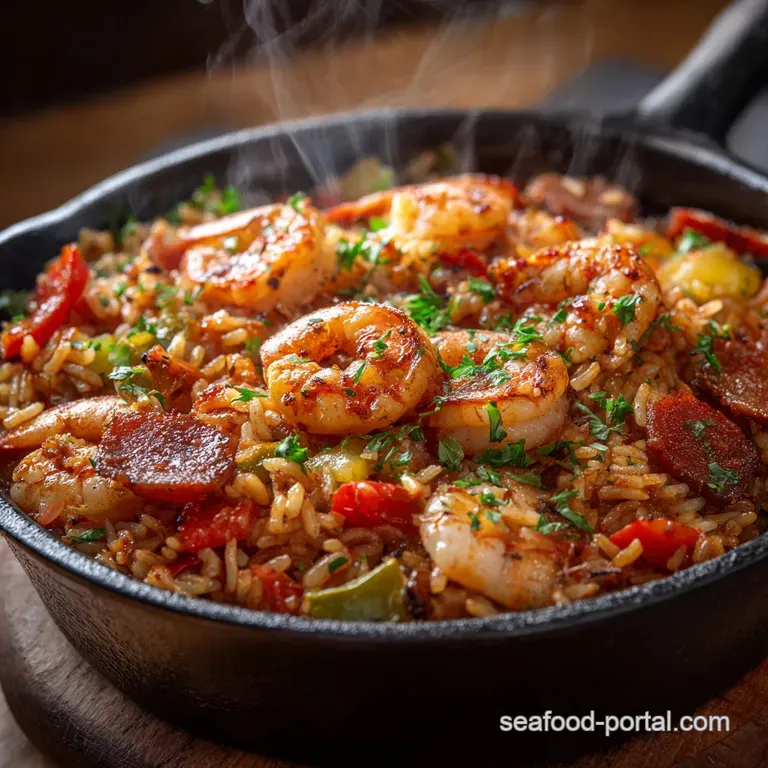
- Unlocking the Authentic Taste of Louisiana Shrimp Jambalaya
- The Philosophy of One-Pot Cooking: Achieving Flavour Depth
- Essential Components for a Flawless Jambalaya
- Gear Up: Tools Required for Deep South Cooking
- Step-by-Step Technique: Mastering the Proper Shrimp Jambalaya
- The Final Simmer and Reveal
- Troubleshooting and Expert Tips for Your Next Batch
- Dietary Variations and Serving Suggestions for Shrimp Jambalaya
- Recipe FAQs
- 📝 Recipe Card
Unlocking the Authentic Taste of Louisiana Shrimp Jambalaya
Jambalaya stands as the quintessential one-pot masterpiece of Louisiana cuisine. This iconic dish is a celebration of flavor layering, resulting in a robust, smoky, and deeply satisfying meal. Achieving truly authentic results relies less on complicated steps and more on precision timing and high-quality ingredients.
Our detailed Shrimp Jambalaya Recipe will guide you to a flavour profile far superior to anything you might find pre-made.
This hearty dish showcases the beautiful marriage of tender seafood and rich, savory sausage. We aim for perfectly cooked, separate grains of rice infused entirely with the complex spice blend and aromatic vegetables.
This classic Shrimp And Sausage Jambalaya is one of the very best Shrimp Recipes For Dinner you can master.
The Philosophy of One-Pot Cooking: Achieving Flavour Depth
The secret to profound jambalaya lies in sequential flavour building. Unlike simple quick meals, this recipe demands patience to properly develop the base before any liquid is introduced. By cooking the ingredients in stages, we create depth that permeates every component, especially the rice.
This crucial layering technique transforms a simple Cajun Shrimp And Rice dish into a culinary experience.
Creole vs. Cajun: Defining Our Tomato Presence
The debate over tomatoes often distinguishes the two primary Louisiana cooking styles. True Cajun jambalaya, hailing from the swamps and rural regions, typically contains no tomatoes. Conversely, Creole jambalaya, developed in the cosmopolitan kitchens of New Orleans, often includes them.
Our version features diced tomatoes, lending a slight acidity and sweetness which balances the heavy smokiness of the sausage and elevates the overall flavor complexity.
Why We Use the Holy Trinity (And How to Dice It Properly)
The "Holy Trinity" is the foundation of almost all Deep South cooking, composed of onion, celery, and green bell pepper. We utilize these ingredients in a ratio heavy on the onion to build the volume and structure of the dish. Proper preparation involves dicing these vegetables uniformly into small, consistent pieces.
This even dicing ensures they soften and melt into the background flavor seamlessly during the lengthy sauté process.
Building the Base: Achieving Maximum Depth from the Andouille Sausage
The initial searing of the sausage is perhaps the most critical step for overall flavor development. Using high-quality Andouille sausage not only provides a spicy kick but also renders necessary smoky fat into the pot.
This rendered fat serves as the medium for sautéing the aromatics and coating the spices, ensuring the entire dish achieves maximum depth. This stage is non-negotiable for an authentic Shrimp And Sausage Jambalaya .
Avoiding the Gumbo Mistake: Jambalaya Consistency Explained
A key distinction must be made between gumbo and jambalaya regarding the final consistency. Gumbo is a stew, characterized by a thick sauce served over rice. Jambalaya, however, is a rice dish where the liquid is entirely absorbed during cooking.
We are looking for separate, tender grains of deeply colored rice, not a soupy texture.
Essential Components for a Flawless Jambalaya
Choosing the right components ensures your final dish is flavorful and satisfying. We prioritize freshness for the seafood and quality for the smoked meats to achieve superior results. Since this recipe is highly sought after as one of the Best Shrimp Recipes , ingredient quality truly matters.
The careful preparation of these raw materials makes this a straightforward choice among Quick Shrimp Recipes .
Gear Up: Tools Required for Deep South Cooking
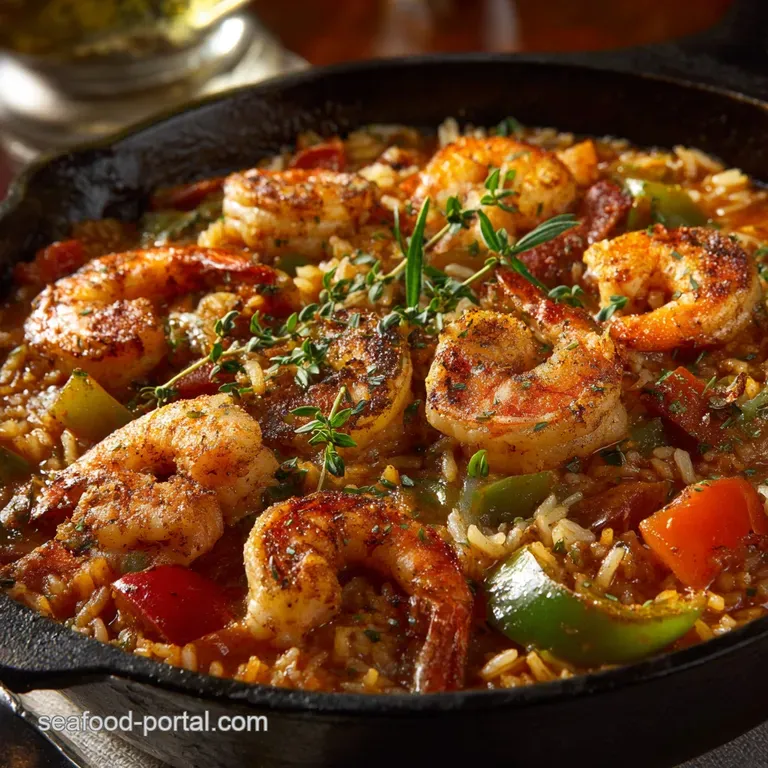
Achieving the perfect jambalaya texture requires specific equipment that manages heat effectively. A heavy bottomed pot is mandatory for preventing sticking and ensuring even heat distribution throughout the long simmer.
Having all your cutting and stirring tools ready beforehand streamlines the cooking process significantly.
Choosing the Best Shrimp Size and Preparation
We strongly recommend using large shrimp, specifically a 21/25 count, as they hold up best during the final steaming period. Ensure the shrimp are fully peeled, deveined, and have their tails removed for easy eating.
Although this preparation adds a bit to the prep time, it results in the plumpest, most satisfying seafood bites.
Rice Selection: Why Long Grain Is Non-Negotiable
Long grain white rice, such as Jasmine or standard American long grain, is the optimal choice for jambalaya. Its structural integrity resists breaking down during the long cooking process, preventing a starchy, gluey mess.
Crucially, we do not rinse this rice; the residual starch is needed to help bind the dish just slightly for that characteristic jambalaya texture.
Spices and Seasoning Blends for the Perfect Kick
The flavor profile relies heavily on a robust Creole or Cajun seasoning blend, often containing cayenne, garlic powder, onion powder, and dried herbs. We enhance this base with additional smoked paprika and dried thyme for color and earthy depth.
Remember to taste your seasoning blend first, as pre-mixed store brands vary dramatically in sodium content.
Stock vs. Water: Which Liquid Delivers Superior Taste
While water can be used in a pinch, high-quality low-sodium chicken or shrimp stock delivers vastly superior flavor. The stock base provides instant depth and richness that plain water simply cannot replicate.
Warming the stock before adding it to the pot is also a critical chef technique, as it prevents the cooking temperature from dropping sharply.
The Cast Iron Advantage (Or Dutch Oven Substitute)
A heavy 6-quart cast iron Dutch oven is the ideal vessel for cooking jambalaya. Cast iron distributes and retains heat exceptionally well, which is vital for the undisturbed simmering phase. If you do not own cast iron, a similarly heavy bottomed stainless steel stockpot is an acceptable substitute.
Using proper heat management in these heavy pots is essential for avoiding a scorched bottom layer.
Related Recipes Worth Trying
- Authentic Mexican Shrimp Cocktail Recipe Cóctel de Camarón — Forget retro prawn cocktail darling This is the Traditional Mexican Shrimp Cocktail Recipe Served icecold with Clamato juice lime and spice its vibrant and...
- Decadent Crab Stuffed Shrimp with LemonGarlic Butter Drizzle — Forget mushy filling Master our Decadent Baked Crab Stuffed Jumbo Shrimp Crisp on top creamy inside and finished with a bright lemongarlic butter drizzle...
- 35Minute Shrimp Ramen Noodles Quick Miso Broth Jammy Eggs — Our easy shrimp ramen recipe delivers a deeply flavorful rich miso broth in just minutes Perfect for a rainy day topped with silky shrimp noodles and a...
step-by-step Technique: Mastering the Proper Shrimp Jambalaya
Mastering this recipe is about understanding transitions and heat control, moving deliberately through each stage. The stovetop method provides maximum control over the essential browning and sautéing steps.
While some recipes attempt a Shrimp Jambalaya Crock Pot method, the superior flavor comes from the high heat achieved in a traditional pot.
The Final Simmer and Reveal
This stage defines the quality of your finished dish, requiring discipline not to peek or stir. The integrity of the rice depends entirely on the even, steady absorption of the liquid and steam. Perfect execution here ensures fluffy, flavorful Cajun Shrimp And Rice .
Searing the Meat: Generating the All-Important Fond
Searing the sliced Andouille sausage over medium high heat generates flavorful caramelized bits on the bottom of the pot, known as fond. This fond is packed with savory depth and must be scraped up and incorporated later by the moisture from the vegetables.
This initial browning step ensures the dish is smoky and rich, not just spicy.
Slow Sautéing the Trinity: Softening the Aromatics
After removing the sausage, the holy trinity goes into the pot and must be sautéed slowly for 10 to 12 minutes. This extended cooking period softens the bell pepper and onion completely, transforming their sharp flavor into a sweet, mellow base.
Immediately after, we stir in the garlic and seasonings to "bloom" them, intensifying their aroma and releasing their fat-soluble flavor compounds before any liquid is added.
Introducing the Liquid: Bringing the Pot to a Rousing Simmer
Once the rice and tomatoes are stirred into the fragrant base, the warmed stock and Worcestershire sauce are introduced. The goal is to quickly bring the entire pot contents to a full, rolling boil while stirring minimally.
This rapid increase in temperature is necessary to create enough energy for the subsequent steaming process.
The Crucial 20-Minute Cook: When to Stop Stirring
Immediately after reaching the boil, the heat must be lowered to the absolute minimum setting, and the lid must be placed on tightly. This is the moment to stop stirring completely; lifting the lid or stirring releases precious steam required to cook the rice evenly and prevents the formation of starch.
The rice absorbs the flavorful liquid and steams itself to tenderness during this crucial 20-minute window.
Integrating the Seafood: Timing the Shrimp for Tenderness
Shrimp, especially large counts, cook extremely quickly using residual heat. After the initial 20 minutes of rice cooking, lift the lid only to arrange the raw, peeled shrimp over the top layer of rice. Immediately replace the lid for the final 5 to 7 minutes.
This gentle steaming method prevents the shrimp from becoming tough or rubbery, resulting in perfectly plump texture.
Troubleshooting and Expert Tips for Your Next Batch
Even experienced cooks can benefit from fine tuning their technique, especially with a layered dish like this. These insights ensure your next batch of Shrimp Jambalaya achieves optimal flavor and texture.
Consistent quality in this classic makes it one of the Best Shrimp Recipes available.
| Tip Category | Actionable Advice |
|---|---|
| Heat Control | Use the smallest burner for the simmer phase to guarantee ultra low heat. |
| Warming Stock | Warm the stock gently in a separate pan before adding; avoid shocking the hot ingredients. |
| Trust the Process | Do not lift the lid during the primary 20-minute cook time; steam is your friend. |
Chef's Note: If you are nervous about your heat setting, consider placing an inexpensive metal heat diffuser beneath your pot during the 20-minute simmer. This prevents scorching the bottom layer while still maintaining the low temperature necessary for perfect rice.
Dietary Variations and Serving Suggestions for Shrimp Jambalaya
This adaptable dish allows for several modifications based on dietary needs or ingredient availability. From making a classic shrimp jambalaya recipe without sausage to adapting for plant based diets, the core technique remains robust.
This flexibility ensures everyone can enjoy a customized version of this ultimate Shrimp Recipes For Dinner .
Preventing Mushy Rice: The Liquid Ratio Fix
The key to preventing overly soft or mushy rice is adhering precisely to the required liquid-to-rice ratio. We use 1 ½ cups of unrinsed rice to 3 ½ cups of stock, creating a slightly lower liquid ratio than standard steamed rice.
This proportion is vital because the canned tomatoes and the moisture released from the sautéed trinity contribute additional water content.
Deepening the Colour and Spice Profile
If your jambalaya looks pale, the usual culprit is not properly "blooming" the spices or insufficient smoked paprika. Sautéing the spices in fat for a minute releases their color compounds into the oil before the liquid is added.
For a deeper, rusty colour, ensure you are generous with the smoked paprika and Cajun seasoning.
How to Properly Rest the Jambalaya Before Serving
Allowing the jambalaya to rest off the heat for 10 minutes after the cooking is complete is essential. During this resting period, the residual steam continues to soften the rice kernels and redistributes the internal moisture evenly.
This critical step results in a fluffy texture rather than a sticky or dense one when you finally fluff it with a fork.
make-ahead Strategy and Safe Leftover Storage
Jambalaya stores beautifully and is an excellent option for make-ahead meals. Cool the finished dish quickly and store it in an airtight container in the refrigerator for up to four days.
To reheat, add a small splash of water or stock, cover, and microwave or heat slowly on the stovetop until warmed through, preventing the rice from drying out.
Swapping Proteins: Making Chicken or Vegan Jambalaya
This recipe is versatile, allowing for simple protein swaps while maintaining the complexity of the spice base. If you need a shrimp jambalaya recipe without sausage , substitute the sausage fat with bacon fat or butter.
For a Chicken Jambalaya, use diced chicken thighs and introduce them at the same time as the stock, as chicken requires longer cooking than shrimp. Vegetarians can build a fantastic flavor base by substituting the meat with mushrooms and black beans.
Nutritional Snapshot and Caloric Breakdown
While incredibly flavorful, a traditional jambalaya is a substantial, filling meal. Based on using lean sausage and low-sodium stock, a typical serving estimates around 600 calories and delivers an impressive 45 grams of protein.
Always adjust the salt content at the end, as the sodium content varies widely depending on your chosen sausage and stock brands.
Recipe FAQs
Why is my Shrimp Jambalaya sticking to the bottom of the pot, and how do I avoid that dreaded mushy rice?
Sticking usually means the heat is too high; ensure you drop the stove to the absolute lowest setting immediately after the rapid boil, maintaining only a gentle, barely visible simmer.
To avoid mushy rice, the golden rule is to resist the urge to peek or stir once the lid is on, as lifting the lid releases the essential steam needed for even cooking.
Can I make this Shrimp Jambalaya recipe with chicken or skip the sausage entirely?
Absolutely! If swapping for chicken, cut the meat into 1 inch pieces and add it alongside the stock, as chicken needs the full 20 minutes of simmering time unlike the quick cooking shrimp.
If omitting the smoked sausage, start your sauté with a tablespoon of bacon fat or butter to help carry the spices and maintain that vital depth of flavour.
How long can I keep leftover Jambalaya, and is it safe to reheat rice?
You can store leftovers in an airtight container in the fridge for up to three days, making sure to cool the dish down as quickly as possible after cooking. Reheating rice dishes is safe provided they were cooled and stored properly; just ensure you bring it to a piping hot temperature all the way through before serving again.
I’m watching my carbs. Can I use brown rice or cauliflower rice instead of white long grain rice?
Yes, but be mindful of the liquid and time: brown rice needs more stock and about double the initial simmering time before adding the shrimp. Cauliflower rice is a popular low-carb choice but should be added towards the very end of the cook, simmering for only five minutes, as it cooks far more quickly.
Crikey, I think I’ve made mine too spicy! What’s the best way to dial down the heat?
Don't panic! You can quickly mitigate excessive heat by stirring in a tablespoon of butter, a splash of cream, or a small dollop of sour cream right before serving. Alternatively, serve the Jambalaya alongside a neutral, cooling element like fresh cornbread or plain Greek yoghurt to balance the spice on the palate.
Authentic Shrimp Jambalaya Onepot Recipe
Ingredients:
Instructions:
Nutrition Facts:
| Calories | 927 kcal |
|---|---|
| Protein | 14.5 g |
| Fat | 12.3 g |
| Carbs | 55.0 g |
| Fiber | 6.6 g |
| Sugar | 1.0 g |
| Sodium | 380 mg |
