Shrimp Ceviche: Fresh and Authentic
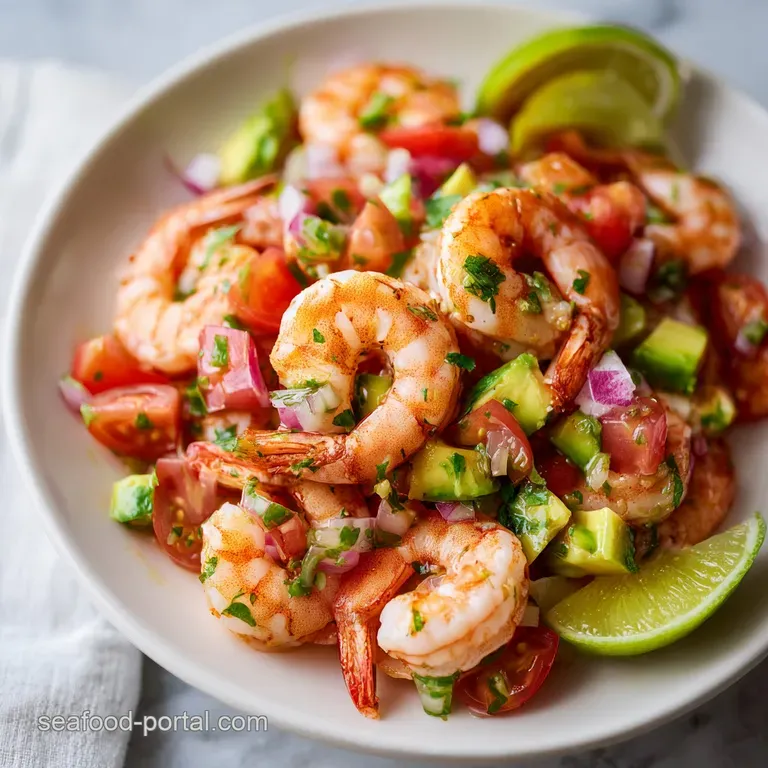
- The Fresh Secret to Perfect Shrimp Ceviche
- Avoiding Rubbery Pitfalls in Home Prep
- Serving Size and Timing Breakdown
- Essential Components for Zesty Results
- Tools for the Perfect Dice
- Steps for Crafting Vibrant Ceviche
- Fixing Common Texture and Flavor Issues
- Customizing Your Coastal Flavor Profile
- Storage and Preservation Best Practices
- Best Sides for a Seafood Feast
- Recipe FAQs
- 📝 Recipe Card
The Fresh Secret to Perfect Shrimp Ceviche
Imagine the sharp, electric scent of freshly sliced limes hitting the humid air of a summer afternoon. That’s the first thing that hits you when you start prepping this dish not just a smell, but a sensory wake up call. I remember the first time I truly understood the magic of a balanced marinade.
I was sitting on a plastic stool at a tiny beachside shack, the salt spray from the ocean literally misting my face. The cook brought out a bowl of Shrimp Ceviche that was so vibrant, it practically glowed.
It wasn't just sour; it was a complex harmony of brine, heat, and a whisper of sweetness from the tomato clam juice that made my tongue tingle in the best way possible.
That afternoon changed how I cook. I realized that great seafood isn't about masking the fish, but about using acid to wake up every sleeping flavor profile. In my own kitchen, I've spent plenty of time figuring out how to recreate that "ocean side" feeling without having the beach in my backyard.
You want that specific, snappy texture where the shrimp feels firm but remains velvety inside. This isn't just a recipe; it's a method for capturing a moment of pure, chilled refreshment.
We're going to use a blend of citrus, a quick blanching technique for safety and texture, and a handful of garden fresh aromatics to get you there.
Right then, let's talk about why this particular approach is the one you'll keep coming back to. Most people worry about the "raw" aspect of ceviche, or they end up with shrimp that feels like chewing on a rubber eraser. We're going to fix both of those issues today.
You’ll get that perfect crunch from the cucumber, the buttery richness of a ripe avocado, and a marinade often called "leche de tigre" that you'll honestly want to sip straight from the bowl.
Trust me, once you nail the balance of the serrano heat against the lime zest, there’s no going back to store-bought versions.
Avoiding Rubbery Pitfalls in Home Prep
The magic here happens through a process where the acid in the citrus denatures the proteins in the seafood. While traditional ceviche uses purely raw fish, for shrimp, a quick par boil is a game changer for both texture and peace of mind.
- Protein Set: The 60 90 second blanching period jumpstarts the firming process, ensuring the shrimp isn't "mushy" but retains a distinct snap.
- Citrus Denaturation: The lime and lemon juices lower the pH, which "cooks" the remaining translucent centers of the shrimp without using heat that would toughen the exterior.
- Aromatic Infusion: Salt acts as a bridge, drawing the essential oils out of the Mexican oregano and the serrano peppers directly into the liquid base.
- Cold Stabilization: Chilling the mixture for that final 10 minutes allows the cell walls of the tomatoes and cucumbers to slightly soften while the shrimp absorbs the brine.
| Thickness | Internal Temp | Rest Time | Visual Cue |
|---|---|---|---|
| Small (41/50 count) | 145°F (63°C) | 2 mins | Opaque pink throughout |
| Medium (26/30 count) | 145°F (63°C) | 3 mins | C shape curl, firm touch |
| Large (16/20 count) | 145°F (63°C) | 3 mins | Pink exterior, slight white center |
The key to that signature texture is the transition from heat to ice. When you drop the shrimp into the boiling water, you're looking for that moment they just start to curl. If they turn into tight "O" shapes, they're overdone. We want a gentle "C" shape.
Pulling them out at the 90 second mark and plunging them into ice water stops the residual heat from turning your succulent prawns into tiny bouncy balls. This temperature shock is what preserves the "velvety" interior we’re after.
Serving Size and Timing Breakdown
When you're planning a gathering, knowing exactly how much to prep is half the battle. This recipe is designed to be a centerpiece appetizer or a light main, and the timing is crucial to ensure the vegetables stay crisp and the shrimp stays tender.
| Ingredient | Role in Dish | Pro Secret |
|---|---|---|
| 450g (1 lb) Large Shrimp | The star protein | Buy "shell on" and peel them yourself for better flavor and texture. |
| 120 ml (0.5 cup) Lime Juice | Primary acid source | Always use hand squeezed; bottled juice has a metallic aftertaste that ruins the brine. |
| 60 ml (0.25 cup) Tomato Clam Juice | Umami balancer | This adds a savory depth that balances the sharp citrus don't skip it! |
| 1.5 Serrano Peppers | Heat element | Remove seeds for a mild hum, or keep them for a true spicy kick. |
Choosing the right shrimp is a big deal. I always aim for the 16/20 count (which means 16 to 20 shrimp per pound). They are large enough to hold their own against the chunky vegetables and won't get lost in the marinade. If you find yourself craving a bit more variety, you could look into a restaurant style garlic shrimp as a warm companion to this chilled dish, but for the ceviche itself, keep it cold and keep it fresh.
Essential Components for Zesty Results
To make this Shrimp Ceviche truly sing, you need the right players on the field. Each ingredient here serves a specific purpose, from providing structural crunch to delivering that back of-the throat heat.
- 1 lb (450g) large shrimp (16/20 count): Peeled, deveined, and tails removed. Why this? Larger shrimp provide a more satisfying, meaty bite than smaller salad sized varieties.
- Substitute: Bay scallops. Same weight, but they require less blanching time.
- 0.5 cup (120 ml) freshly squeezed lime juice: Why this? Essential for the acid cooking process and providing that bright, characteristic tang.
- Substitute: Key lime juice for a more floral, intense acidity.
- 0.25 cup (60 ml) freshly squeezed lemon juice: Why this? Rounds out the lime's sharpness with a slightly sweeter citrus profile.
- Substitute: Calamansi juice for a tropical, orange lime hybrid flavor.
- 1 tsp (5g) sea salt: Why this? Enhances every other flavor and helps draw juices out of the aromatics.
- Substitute: Kosher salt (use 1.5 tsp for equivalent salinity).
- 1 cup (150g) English cucumber: Finely diced. Why this? English cucumbers have thinner skins and fewer seeds, staying crunchy longer.
- Substitute: Persian cucumbers; they offer the same low moisture crunch.
- 1 cup (180g) Roma tomatoes: Seeded and diced. Why this? Roma tomatoes have firm walls and less watery pulp, preventing a soggy ceviche.
- Substitute: Vine ripened tomatoes, but you must remove all the seeds and "goop."
- 0.5 cup (75g) red onion: Finely minced. Why this? Adds a sharp bite and beautiful purple color to the mix.
- Substitute: Shallots for a milder, more sophisticated allium flavor.
- 0.5 cup (15g) fresh cilantro: Chopped. Why this? The quintessential herb for freshness and that earthy, citrusy aroma.
- Substitute: Flat leaf parsley if you’re one of those people who think cilantro tastes like soap.
- 1.5 serrano peppers: Minced. Why this? Serrano offers a cleaner, sharper heat than jalapeños.
- Substitute: Jalapeño peppers for a milder, more approachable spice level.
- 0.25 cup (60 ml) tomato clam juice cocktail: Why this? The "secret sauce" that adds salt, umami, and a hint of sweetness.
- Substitute: Plain tomato juice with a dash of fish sauce for that savory depth.
- 1 large avocado: Diced. Why this? Provides a creamy, fatty contrast to the lean shrimp and acidic marinade.
- Substitute: Mango chunks for a sweet and savory "tropical" variation.
- 0.5 tsp (0.5g) dried Mexican oregano: Why this? It has citrusy undertones that standard Mediterranean oregano lacks.
- Substitute: Marjoram, which shares some of those delicate floral notes.
- 0.25 tsp (0.5g) fresh cracked black pepper: Why this? Adds a subtle, woody heat that lingers.
- Substitute: White pepper for a more fermented, earthy spice profile.
Chef's Tip: Before you start dicing your red onion, soak the minced pieces in a bowl of ice water for 5 minutes. This "tames" the raw sulfurous bite, leaving you with a crisp texture and a cleaner flavor that won't overpower the delicate shrimp.
Tools for the Perfect Dice
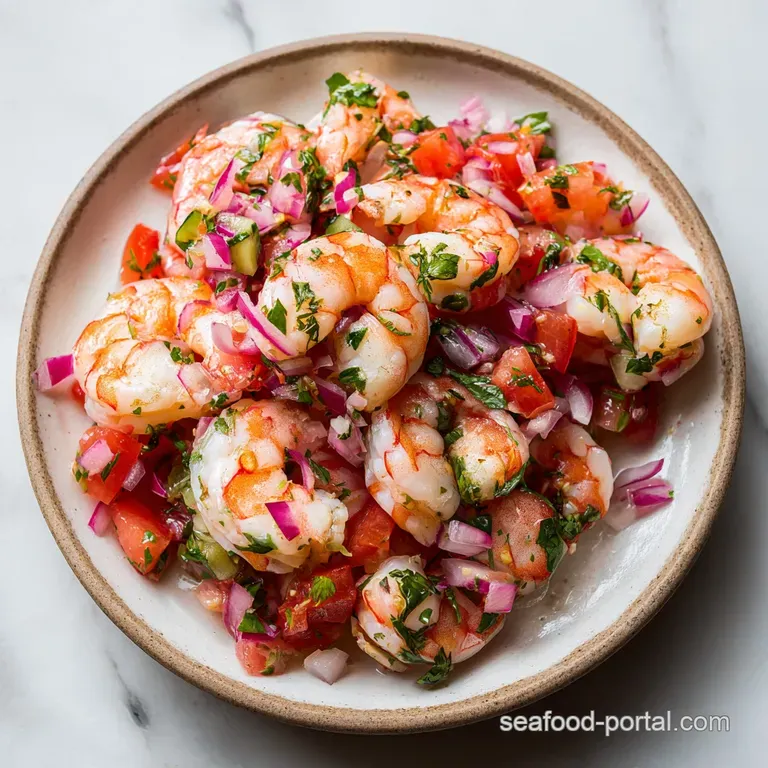
You don’t need a professional kitchen to pull this off, but a few specific items make the process much smoother. When you're dicing a cup of cucumber and a cup of tomatoes, a sharp knife is your best friend to prevent bruising the vegetables.
- Large Non Reactive Glass Bowl: This is non negotiable. Metal bowls (except high-quality stainless steel) can react with the high amount of citrus juice, giving your ceviche a metallic, "tinny" flavor. Glass or ceramic is the way to go.
- Sharp Chef's Knife: Essential for those "shatter crisp" dices on the cucumber and onion. A dull knife will mash the tomatoes rather than slicing through them.
- Citrus Juicer: To get the full 0.5 cup of lime juice and 0.25 cup of lemon juice, a manual press (like a Mexican elbow) is much more efficient than squeezing by hand. It also keeps the bitter seeds out of your marinade.
- Slotted Spoon: Crucial for transferring the shrimp from the boiling water to the ice bath quickly. You want to leave the water behind so you don't dilute the ice bath.
Steps for Crafting Vibrant Ceviche
- Boil the water. Bring a medium pot of salted water to a rolling boil. Note: Adding salt to the water seasons the shrimp from the inside out before the marinade even touches them.
- Blanch the shrimp. Drop the cleaned shrimp into the boiling water for exactly 60 90 seconds until they turn pink on the outside but remain slightly translucent in the center.
- Shock in ice. Immediately remove shrimp with a slotted spoon and plunge into an ice bath to stop the cooking process. Note: This rapid cooling is what keeps them from becoming rubbery.
- Prep the shrimp. Once cooled, pat the shrimp completely dry with paper towels and cut into bite sized pieces if you prefer a smaller dice.
- Start the marinade. In a large non reactive glass bowl, combine the shrimp, 0.5 cup lime juice, 0.25 cup lemon juice, and 1 tsp sea salt.
- First chill. Let the mixture marinate in the refrigerator for 15-20 minutes. You will smell the sharp, clean aroma of citrus mingling with the brine.
- Incorporate aromatics. Fold in the 1 cup diced cucumber, 1 cup Roma tomatoes, 0.5 cup minced red onion, 0.5 cup chopped cilantro, and 1.5 minced serrano peppers.
- Season the base. Add the 0.25 cup tomato clam juice, 0.5 tsp dried Mexican oregano, and 0.25 tsp black pepper. The scent will shift from purely tart to earthy and spicy.
- Add the creaminess. Gently fold in the diced avocado just before serving. Note: Adding it last prevents the avocado from breaking down and making the liquid cloudy.
- Final meld. Chill for an additional 10 minutes until the flavors are unified and the bowl is ice cold, then serve immediately with tortilla chips.
Chef's Tip: When seeding your Roma tomatoes, use a small spoon to scoop out the watery core. If you skip this, the extra liquid will dilute your "leche de tigre," and you'll lose that punchy flavor concentration.
Fixing Common Texture and Flavor Issues
Sometimes things don't go perfectly, and that's okay. Seafood can be finicky, and citrus levels vary from fruit to fruit. If your Shrimp Ceviche isn't hitting the right notes, usually it's a quick fix.
Why Your Shrimp Is Tough
If the shrimp feels bouncy or difficult to chew, it usually means the initial blanching went too long or they sat in the citrus for hours. Acid eventually breaks down the protein to the point of "overcooking" it, even without heat.
To fix this next time, stick strictly to the 90 second boil and the 20 minute marinade time. If it's already tough, adding a bit more avocado or a splash of olive oil can help provide a fatty mouthfeel that masks the dryness.
Why Your Brine Is Bland
Sometimes you taste the mixture and it just feels flat. This usually happens if the limes weren't very juicy or if you used too much cucumber (which releases water). The fix is almost always more salt or a tiny bit more acid.
A splash of the tomato clam juice can also add the umami needed to wake up the other ingredients.
| Problem | Root Cause | Solution |
|---|---|---|
| Rubbery Shrimp | Over boiled or marinated too long | Stick to 90s boil; serve within 1 hour of mixing. |
| Watery Liquid | Tomatoes weren't seeded properly | Drain excess liquid and add an extra squeeze of lime. |
| Overpowering Heat | Too many serrano seeds | Add more diced cucumber or avocado to buffer the spice. |
Common Mistakes Checklist
- ✓ Using pre cooked, frozen "salad shrimp" (the texture will be grainy and dry).
- ✓ Forgetting to pat the shrimp dry after the ice bath (excess water dilutes the marinade).
- ✓ Using a metal bowl (creates a metallic aftertaste with the citrus).
- ✓ Adding the avocado too early (it turns into a mushy, green paste).
- ✓ Squeezing the limes too hard (this releases bitter oils from the pith).
Customizing Your Coastal Flavor Profile
Once you’ve mastered the classic, you can start playing with the ratios. Ceviche is incredibly flexible. If you're looking for a more "Ecuadorian" style, you might increase the tomato clam juice and add a splash of mustard.
For a Mexican "Aguachile" vibe, you'd blend the lime juice with cilantro and more peppers to create a vibrant green bath for the shrimp.
If you are cooking for a larger crowd, scaling this recipe is quite simple: To Scale Down (1-2 people): Use 0.5 lbs of shrimp. Use 1 whole egg's worth of volume if a recipe calls for it, but here, just halve all citrus and veg.
To Scale Up (10+ people): Double the shrimp and vegetables, but only increase the salt and serranos to 1.5x at first. You can always add more heat, but it’s hard to take it away. Liquid should be increased by about 80% rather than a full 100% to keep the flavors concentrated.
| Method | Time | Texture | Best For |
|---|---|---|---|
| Stovetop Blanch | 22 mins | Snappy, firm | Safety and consistent texture |
| Traditional Raw | 45 mins | Softer, "sashimi" like | Ultra fresh, sushi grade shrimp |
If you find yourself with extra shrimp and want a different vibe, you might consider a decadent shrimp thermidor for your next dinner party. It’s the polar opposite of ceviche warm, creamy, and rich but it uses similar high-quality prawns.
Storage and Preservation Best Practices
Shrimp ceviche is a "live" dish, meaning it continues to change the longer it sits. Because of this, it is best enjoyed within a few hours of preparation.
- Fridge Life: You can store leftovers in an airtight glass container for up to 24 hours. However, be aware that the shrimp will continue to firm up and may become slightly tough by the next day. The vegetables will also lose their crunch.
- Freezer: Do not freeze. The cell structures of the tomatoes, cucumbers, and citrus marinated shrimp will collapse upon thawing, resulting in a mushy, unappealing mess.
- Zero Waste Tip: Don't throw away those shrimp shells! Throw them in a bag in the freezer. Once you have a couple of pounds, you can boil them with onion, celery, and peppercorns to make a stunning seafood stock for a future shrimp etouffee.
Best Sides for a Seafood Feast
While a big bag of salty tortilla chips is the classic partner for Shrimp Ceviche, you can certainly branch out. In Peru, it's common to see ceviche served with a side of boiled sweet potato or fat kernelled corn (choclo) to provide a starchy contrast to the acid.
- Classic Crunch: Salty corn chips or thick, fried tostadas.
- Plant Based Swap: Crisp cucumber slices or jicama sticks for a lower carb dipping option.
- The Beverage Pairing: A cold Mexican lager with a salt rim, or a crisp Sauvignon Blanc. The high acidity in the wine mimics the lime in the dish, creating a seamless flavor bridge.
The real joy of this dish is its immediacy. It’s about the "now" the cold bowl, the bright colors, and that first bite that makes your mouth water. It’s accessible, fresh, and honestly, once you bring a bowl of this to a potluck, you’re going to be the designated "ceviche person" for life.
Enjoy the process, don't rush the chill time, and make sure you have plenty of chips!

Recipe FAQs
What ingredients are required for shrimp ceviche?
Use only fresh, specific components. You will need 1 lb large shrimp, 0.5 cup lime juice, 0.25 cup lemon juice, 1 tsp sea salt, 1 cup English cucumber, 1 cup Roma tomatoes, 0.5 cup red onion, 0.5 cup cilantro, 1.5 minced serrano peppers, 0.25 cup tomato clam juice cocktail, 1 avocado, 0.5 tsp dried
Mexican oregano, and 0.25 tsp cracked black pepper.
How long should the shrimp marinate in citrus juice?
Marinate for 15-20 minutes in the refrigerator. This timeframe is sufficient for the citrus to brighten the shrimp without compromising the texture.
Is the original ceviche made with shrimp?
No, this is a common misconception. While shrimp is a popular, modern variety, the "original" ceviche tradition typically refers to raw white fleshed fish cured in citrus juices.
How to blanch the shrimp properly?
Boil for exactly 60 90 seconds in salted water. Remove the shrimp as soon as they are pink on the outside but still slightly translucent in the center, then immediately move them to an ice bath.
How to prevent the avocado from becoming mushy?
Fold the avocado in gently just before serving. If you enjoy the technique of balancing creamy elements against acidic dressings, you can apply similar logic when preparing a zesty seafood dip.
Can I store leftover ceviche for a long time?
No, consume within 24 hours. The acidity continues to cure the shrimp, which will eventually make them tough and soften the crunch of your vegetables.
Why is my ceviche bowl creating a metallic taste?
Avoid using metal bowls. The high acidity of the lime and lemon juice reacts with metal, resulting in an unpleasant metallic aftertaste, so always use a non-reactive glass bowl instead.
Authentic Shrimp Ceviche
Ingredients:
Instructions:
Nutrition Facts:
| Calories | 186 kcal |
|---|---|
| Protein | 20.7 g |
| Fat | 6.9 g |
| Carbs | 11.9 g |
| Fiber | 3.4 g |
| Sugar | 3.8 g |
| Sodium | 642 mg |
