Authentic Prawn Creole: Vibrant and Fresh
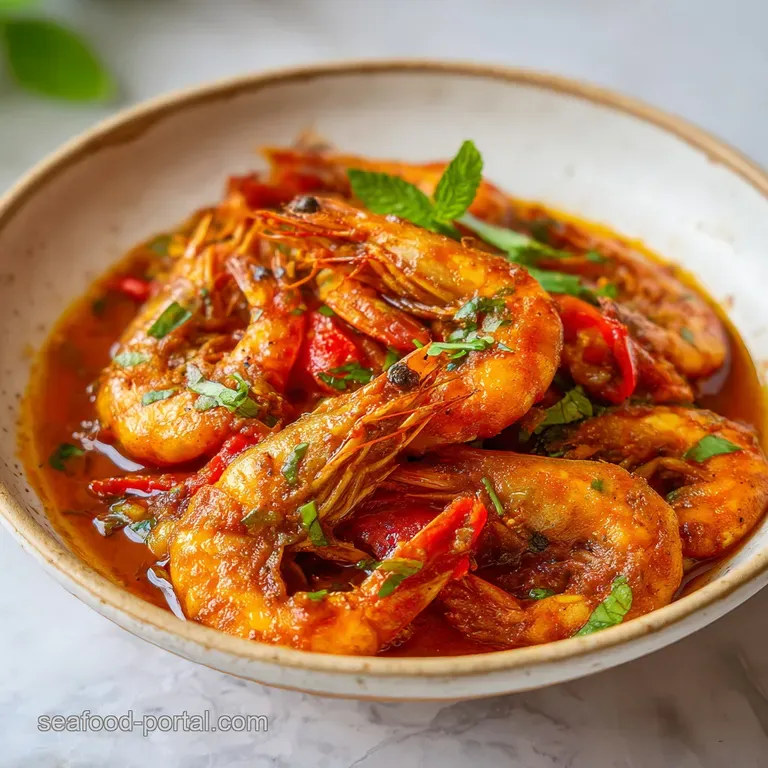
- Time: Active 15 minutes, Passive 25 minutes, Total 40 minutes
- Flavor/Texture Hook: Velvety tomato sauce with snappy, tender prawns
- Perfect for: Impressing guests at a weekend dinner or a vibrant weeknight escape
- Why Most Home Cooks Struggle with Flavor Depth
- Why This Prawn Creole Recipe Works
- Component Analysis for Peak Flavor
- Everything You Need for Creole Success
- Essential Tools for Seafood Excellence
- Creating the Perfect Prawn Creole
- Solving Common Creole Sauce Issues
- Adjusting the Recipe for Your Kitchen
- Culinary Misconceptions About Creole Cooking
- Storage and Minimizing Kitchen Waste
- Garnishing Like a NOLA Chef
- Very High in Sodium (in English)
- Recipe FAQs
- 📝 Recipe Card
Why Most Home Cooks Struggle with Flavor Depth
Have you ever wondered why some versions of this dish taste like a simple bowl of spiked tomato soup while others transport you straight to a balcony in the French Quarter? It usually comes down to one thing: the water.
Most people just pour in plain tap water or a generic carton of broth, but that’s where the soul of the dish gets lost. When I first started making a prawn creole recipe, I threw away the shells immediately. It was a massive mistake.
The sauce felt thin, lacking that "ocean kissed" richness that makes Creole cooking so legendary.
The moment I stopped tossing those shells and started simmering them for a quick ten minute broth, everything changed. The kitchen suddenly smelled like a high end seafood house. That deep, orange tinted liquid is liquid gold. It bridges the gap between the acidity of the tomatoes and the sweetness of the prawns.
Without it, you’re just eating shrimp in sauce; with it, you’re eating a legacy.
This recipe is all about the contrast between the soft, melt in-your mouth vegetables and the firm, juicy texture of the prawns. We aren't looking for a "crunch" in the onions or celery here; we want them to almost dissolve into the tomato base, creating a thick, velvety consistency that clings to the rice.
It’s a comforting, hearty meal that feels bright and lively thanks to the hit of Worcestershire and hot sauce at the very end.
Why This Prawn Creole Recipe Works
The magic of this dish isn't in a long list of fancy ingredients, but in how we handle the basics. We're using layers of flavor that build on each other, starting with the seafood essence and ending with a gentle poaching technique that prevents the dreaded "rubbery shrimp" syndrome.
- Shell Extraction: Simmering the reserved prawn shells releases astaxanthin and savory compounds that provide a foundational seafood depth water alone cannot achieve.
- Maillard Caramelization: Cooking the tomato paste until it reaches a "mahogany" shade transforms its raw metallic tang into a rich, sweet, and savory umami base.
- Residual Heat Poaching: Removing the pot from the heat before adding the prawns ensures they cook gently and stay tender, rather than shrinking into tough, flavorless curls.
- The Trinity Ratio: The specific balance of onion, celery, and green pepper provides a structural sweetness and earthy backbone that defines the Creole flavor profile.
| Prawn Size | Internal Temp | Rest/Poach Time | Visual Cue |
|---|---|---|---|
| Large (16/20) | 145°F | 3-5 minutes | Opaque and C shaped |
| Medium (31/40) | 145°F | 2-3 minutes | Pink and firm to touch |
| Jumbo (U-10) | 145°F | 5-7 minutes | Fully white in the center |
The timing for the prawns is the most critical part of the entire process. If you keep the heat roaring while they are in the pot, they will overcook in seconds. By letting them sit in the hot sauce off the heat, you're giving the proteins a chance to firm up slowly, which keeps the moisture locked inside the meat.
Component Analysis for Peak Flavor
Understanding what each ingredient brings to the party helps you adjust the dish to your own palate. We aren't just tossing things in a pot; we're creating a symphony of flavors where the tomato is the conductor and the spices are the percussion.
| Component | Science Role | Pro Secret |
|---|---|---|
| Tomato Paste | Thickener & Umami | Sauté it alone for 2 minutes to remove the "canned" taste |
| Butter | Fat Emulsifier | Use unsalted to fully control the saltiness of the Creole seasoning |
| Worcestershire | Acid & Anchovy Depth | Adds a fermented complexity that mimics hours of simmering |
| Prawn Shells | Aromatic Base | Toast them in a dry pan for 60 seconds before adding water for a smokier broth |
If you're looking for a different vibe or want to see how this compares to other Southern classics, you might notice this dish is lighter than a traditional dark roux shrimp gumbo, which relies on toasted flour for its thickness rather than a concentrated tomato reduction.
Everything You Need for Creole Success
For this recipe, we are focusing on fresh, accessible ingredients that pack a punch. While it's tempting to use frozen, pre peeled prawns, I really encourage you to buy them with the shells on. That extra five minutes of peeling is the difference between a good meal and a "wow" meal.
- 1.5 lbs large prawns: Peeled and deveined, but keep those shells! They are the secret to the sauce. Why this? Larger prawns stay juicier during the poaching process.
- 2 cups water: For the base of our quick stock.
- 1 bay leaf & 0.5 tsp black peppercorns: For flavoring the shell broth.
- 2 tbsp unsalted butter: To sauté the Trinity. Why this? Butter adds a silkiness that oil lacks.
- 1 large yellow onion (150g): Diced small.
- 1 green bell pepper (120g): Diced to match the onion.
- 2 stalks celery (100g): The third leg of the Trinity.
- 3 cloves garlic: Minced fresh.
- 2 tbsp tomato paste: For color and body.
- 14.5 oz crushed tomatoes: Provides the bulk of the sauce.
- 1 tbsp Worcestershire sauce: For that savory "pop."
- 1 tsp Louisiana style hot sauce: Adds vinegar and heat.
- 2 tsp low sodium Creole seasoning: The primary spice blend.
- 0.5 tsp dried thyme: For an earthy, floral note.
- 0.25 tsp cayenne pepper: Adjust this for your heat preference.
- 3 cups cooked long grain white rice: The traditional bed for the creole.
- Fresh parsley & green onions: For a bright, crunchy finish.
| Original Ingredient | Substitute | Why It Works |
|---|---|---|
| Unsalted Butter | Avocado Oil | Higher smoke point, though you lose the creamy mouthfeel |
| Crushed Tomatoes | Diced Tomatoes (blitzed) | Gives a chunkier texture if you prefer a rustic sauce |
| Creole Seasoning | Old Bay | Similar salt/pepper profile, but adds a hint of celery salt |
Essential Tools for Seafood Excellence
You don't need a kitchen full of gadgets, but a few specific pieces of equipment make the process much smoother. Using a heavy bottomed pot, like a Dutch oven, is non negotiable for me because it holds heat evenly.
This is vital when we turn the stove off to poach the prawns; a thin pot will lose heat too quickly, leaving you with raw seafood.
Chef's Tip: If you don't have a fine mesh strainer for the shell stock, you can use a slotted spoon to fish out the shells, but be careful to get all those peppercorns! Nobody likes a surprise crunch of black pepper in their dinner.
A good sharp chef's knife is also your best friend here. Since the onion, celery, and pepper need to be diced to roughly the same size to cook evenly, having a blade that doesn't "smush" the vegetables helps maintain their integrity until they've softened into the sauce.
Creating the Perfect Prawn Creole
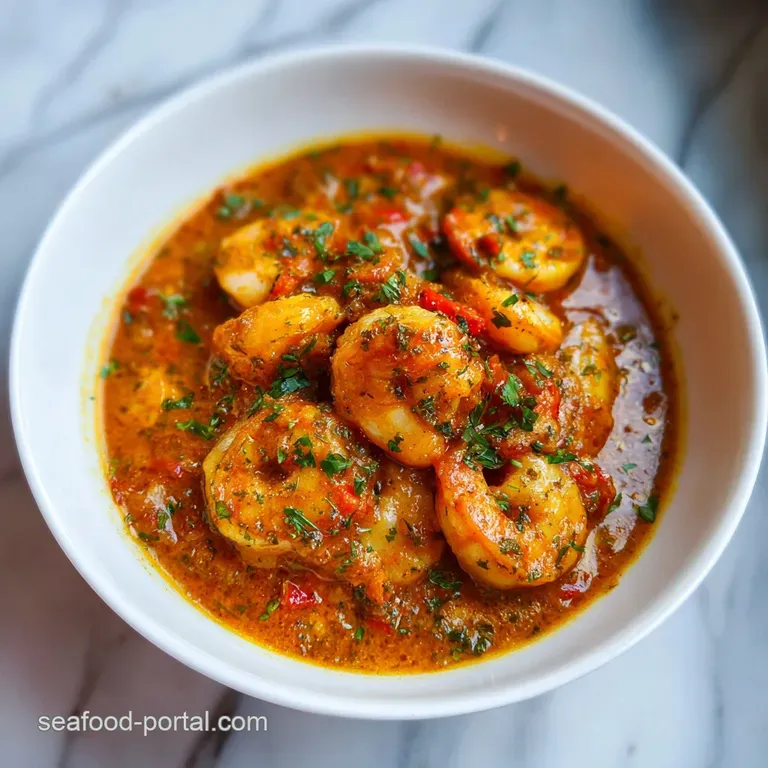
Right then, let's get into the kitchen. The timing here is quite fast once you get the Trinity going, so have all your ingredients chopped and ready to go before you even turn on the stove.
Phase 1: Flavor Infusion
- Place the reserved prawn shells, 2 cups of water, the bay leaf, and peppercorns in a small saucepan.
- Bring the mixture to a boil, then immediately turn the heat down to low.
- Simmer for 10–12 minutes until the liquid is fragrant and turns a light orange hue.
- Strain the liquid through a fine mesh sieve into a bowl and discard the solids. Note: This is your flavor foundation.
Phase 2: Building the Trinity
- In a large Dutch oven, melt the 2 tbsp of butter over medium high heat until it begins to foam and sizzle.
- Toss in the diced onion, green bell pepper, and celery.
- Sauté for 6–8 minutes until the onions are translucent and the vegetables have softened. Note: Don't let them brown; we want them sweet and tender.
- Add the minced garlic and 2 tbsp of tomato paste to the center of the pot.
- Cook for 2 minutes, stirring constantly until the paste turns a deep mahogany color.
Phase 3: The Simmer
- Pour in the strained prawn broth and the 14.5 oz of crushed tomatoes.
- Add the Worcestershire sauce, hot sauce, Creole seasoning, thyme, and cayenne pepper.
- Stir well to ensure the tomato paste is fully incorporated into the liquid.
- Simmer the sauce for 5–10 minutes until it slightly thickens and the flavors meld. Note: The sauce should look glossy and rich.
Phase 4: The Perfect Finish
- Taste the sauce. If it needs more heat, add a pinch more cayenne now.
- Fold in the raw prawns and immediately remove the pot from the heat.
- Cover the pot with a tight fitting lid and let it sit for 3–5 minutes.
- Check a prawn; it is done when it is pink, opaque, and has curled into a loose 'C' shape.
- Serve immediately over warm white rice, garnished heavily with parsley and green onions.
Solving Common Creole Sauce Issues
Sometimes things don't go exactly to plan, but in Creole cooking, almost everything is fixable. The most common issue I hear about is the sauce being too thin or too acidic.
Why Your Sauce Feels Thin
If your sauce looks more like a soup, it usually means the vegetables released more moisture than expected, or the stock wasn't reduced enough. Don't panic. You can simmer the sauce for an extra 5 minutes before adding the prawns.
The crushed tomatoes will naturally thicken as the water evaporates.
Why the Prawns are Tough
This happens when they are boiled. If you see them curling into tight 'O' shapes, they are overcooked. Next time, ensure the pot is completely off the burner. The residual heat of a heavy pot is more than enough to cook a prawn in 4 minutes.
| Problem | Root Cause | Solution |
|---|---|---|
| Sauce is too sour | Tomatoes were under ripe or paste wasn't cooked enough | Add a tiny pinch of sugar (1/4 tsp) to balance the acidity |
| Too much salt | Creole seasoning brand was high in sodium | Add a splash more water or unsalted stock to dilute |
| Bland flavor | Prawn shells weren't simmered long enough | Add an extra dash of Worcestershire or a squeeze of lemon |
Common Mistakes Checklist
- ✓ Always use the shells for the broth; water alone is too flat.
- ✓ Sauté the tomato paste until it darkens; this removes the metallic "can" taste.
- ✓ Don't skip the celery; it provides the essential earthy base for the sauce.
- ✓ Remove from heat BEFORE adding prawns to ensure a velvety texture.
- ✓ Use long grain rice; short grain or sushi rice will get too mushy under the heavy sauce.
Adjusting the Recipe for Your Kitchen
If you're cooking for a crowd or just for yourself, the math for this dish is fairly straightforward. However, because we are dealing with a delicate balance of spices, you can't just double everything blindly.
Scaling Down (2 servings): Use a smaller pot so the liquid doesn't evaporate too quickly. You can halve all ingredients, but keep the simmering time for the shells the same to ensure the flavor is concentrated enough.
Scaling Up (8 servings): If you are doubling the recipe, only use 1.5x the salt and cayenne initially. You can always add more at the end, but it's hard to take it away.
You'll likely need to sauté the vegetables in two batches if your pot isn't massive, as overcrowding the pan will make them steam instead of soften in the butter.
If you enjoy the flavors of the South but want something with a different crunch, you might want to try a Louisiana shrimp po boy for your next lunch. It uses a similar seasoning profile but with a crispy, fried texture.
Culinary Misconceptions About Creole Cooking
There are so many myths floating around about what makes a "proper" creole. Let's clear a few things up so you can cook with confidence.
Myth: Creole food must be face meltingly spicy. Truth: Traditional Creole cooking is about balance and "refined" flavor, influenced by French and Spanish techniques. While there is heat, it should never overwhelm the sweetness of the tomatoes or the delicate flavor of the seafood.
It's warm, not painful.
Myth: You need a dark roux for a Creole sauce. Truth: Unlike Gumbo or Etouffee, a classic Prawn Creole usually relies on a tomato reduction and the "Trinity" for its body. While some modern versions use a light roux, the most traditional city style recipes are tomato forward and roux free.
Myth: Canned tomatoes are inferior to fresh. Truth: Unless it is the height of summer and you have access to perfect heirloom tomatoes, high-quality canned crushed tomatoes are actually better.
They are picked at peak ripeness and provide a consistent acidity that fresh grocery store tomatoes often lack.
Storage and Minimizing Kitchen Waste
One of the best things about this sauce is that it actually tastes better the next day with one major caveat: the prawns.
Storage: Store the sauce and the rice in separate containers in the fridge for up to 3 days. When reheating, do it gently on the stovetop. If you have leftover prawns in the sauce, they will inevitably get a bit tougher when reheated, so try to eat those first!
Freezing: You can freeze the sauce base (before adding the prawns) for up to 2 months. This is a massive time saver. Just thaw it overnight in the fridge, bring it to a simmer, and poach fresh prawns in it for a "fresh" meal in ten minutes.
Zero Waste Tip: Don't throw away those simmered shells after making the stock! If you have a garden, they are excellent for compost as they provide calcium and nitrogen.
Alternatively, if you didn't use all the celery leaves, chop them up and use them alongside the parsley as a garnish; they have a concentrated celery flavor that is fantastic.
Garnishing Like a NOLA Chef
Presentation is the final step in making this feel like a special occasion meal. In New Orleans, we love a bit of height on the plate.
Instead of just mixing the rice and sauce together, scoop a tight mound of rice into the center of a shallow bowl using a measuring cup or a small ramekin. Pour the prawn creole around the base of the rice "island." This keeps the rice from getting bogged down too quickly and looks much more professional.
Finally, don't be shy with the greens. The contrast of the deep red sauce against the bright green of the scallions and parsley makes the dish pop visually. I like to slice my green onions on a sharp bias (diagonal) to give them a more elegant look.
A final squeeze of fresh lemon juice over the top just before serving can also "wake up" the heavier flavors of the cooked tomatoes. It’s accessible, it’s flavorful, and it’s a dish that truly celebrates the sea.
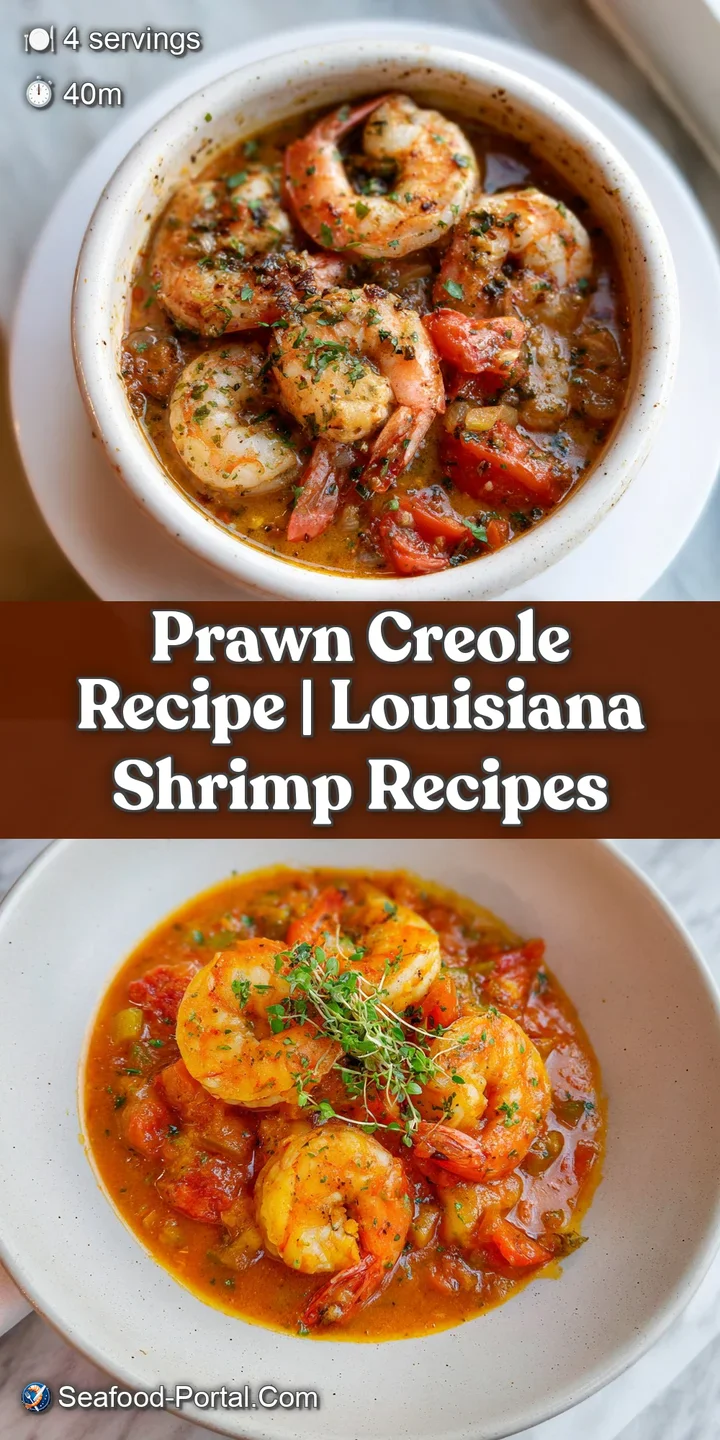
Very High in Sodium (in English)
845 mg 845 mg of sodium per serving (in English) (37% 37% of daily value (in English))
The American Heart Association recommends limiting sodium intake to no more than 2,300mg per day, ideally aiming for 1,500mg for most adults.
Tips to Reduce Sodium
-
Low-Sodium Creole Seasoning & Hot Sauce-30%
Switch to low-sodium versions of Creole seasoning and Louisiana style hot sauce. This can significantly cut down on added salt.
-
Enhance Flavor with Herbs and Spices
Boost flavor by using fresh herbs like parsley and green onions, and increase aromatics like garlic and onion. Relying on natural flavors reduces the need for salt.
-
Ditch the Salt-25%
Completely omit the added salt from the recipe. The existing seasonings and ingredients will provide ample flavor.
-
Choose Low-Sodium Worcestershire-20%
Opt for a low-sodium Worcestershire sauce. Regular Worcestershire sauce can be surprisingly high in sodium.
-
Use No-Salt Added Tomatoes-15%
Select no-salt added crushed tomatoes. Canned tomatoes often contain added salt for preservation.
Recipe FAQs
What is prawn creole?
Prawn creole is a tomato based Louisiana stew. It features a fragrant vegetable base the "holy trinity" of onion, bell pepper, and celery simmered with aromatics and served over fluffy white rice.
What ingredients are in Shrimp Creole?
The recipe relies on a specific set of pantry and fresh staples. Key ingredients include 1.5 lbs of large prawns, a homemade seafood broth made from reserved shells, crushed tomatoes, tomato paste, Worcestershire sauce, hot sauce, Creole seasoning, and the essential holy trinity of vegetables.
What's the difference between Shrimp Creole and shrimp etouffee?
The primary difference lies in the sauce base. Prawn creole is built on a tomato and broth foundation, whereas our velvety roux-based etouffee skips the tomatoes entirely for a richer, blonde gravy profile.
What are some common mistakes when making creole shrimp?
Overcooking the prawns and skipping the broth preparation are the most frequent errors. Always use the reserved shells to create a concentrated seafood broth rather than using plain water, and be sure to remove the pot from the heat before adding the prawns to let the residual temperature poach them
gently.
How to ensure the tomato paste doesn't taste metallic?
Sauté the tomato paste for at least two minutes until it turns a deep mahogany color. This caramelization process removes the sharp, raw acidity of the canned paste and creates a complex, savory depth in the sauce.
How to achieve the perfect prawn texture?
Fold the raw prawns into the sauce after removing the pot from the heat source. Covering the pot and letting the residual heat poach the prawns for 3 5 minutes keeps them plump, pink, and tender, preventing the rubbery texture caused by high heat boiling.
How to store leftovers?
Store the sauce and rice in separate airtight containers in the refrigerator for up to 3 days. Reheat the sauce gently on the stovetop, but note that because the prawns are already cooked, they may toughen slightly compared to their original texture when warmed again.
Authentic Prawn Creole
Ingredients:
Instructions:
Nutrition Facts:
| Calories | 448 calories |
|---|---|
| Protein | 41.2 g |
| Fat | 8.2 g |
| Carbs | 47.5 g |
| Fiber | 4.8 g |
| Sugar | 8.4 g |
| Sodium | 845 mg |
