Shrimp Curry: Your 30-Minute Weeknight Wonder (Kerala Coconut Style)
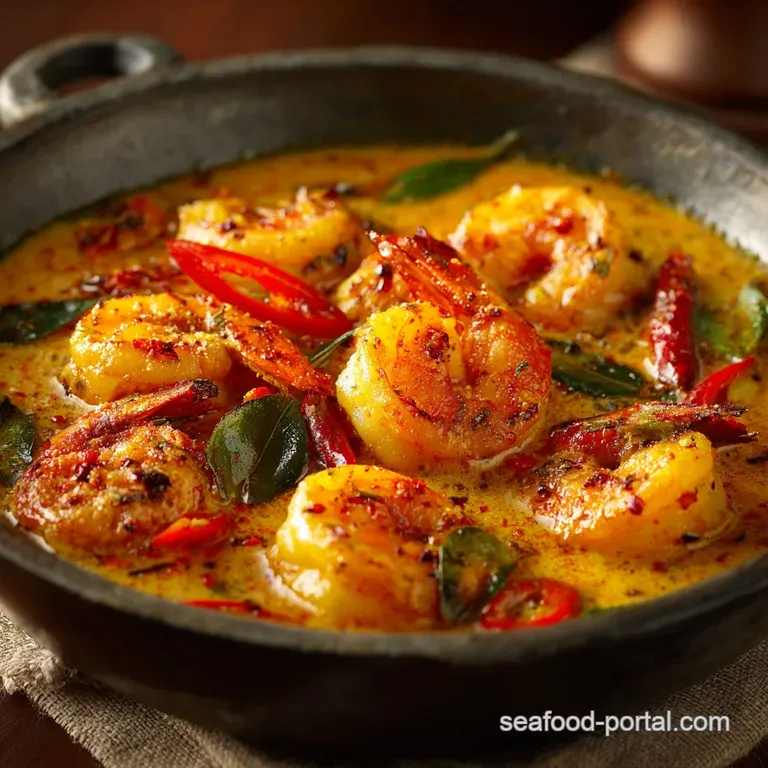
- Kerala Style Shrimp Curry: The 30 Minute Flavour Bomb
- Achieving Maximum Depth: Why This Shrimp Curry Recipe Works
- Essential Ingredients for Proper Coconut Shrimp Curry
- The Method: Step-by-Step Guide to Cooking Shrimp Curry
- Troubleshooting and Expert Tips for Your Next Batch
- Practical Guide: Storing, Reheating, and Freezing
- What to Serve With Your Coconut Shrimp Curry (Perfect Pairings)
- Recipe FAQs
- 📝 Recipe Card
Kerala Style Shrimp Curry: The 30 Minute Flavour Bomb
When that gorgeous aroma of toasted spices, popping mustard seeds, and warm ginger hits you, honestly, it’s magic. I swear, the fragrance alone of this shrimp curry recipe can fix a terrible Tuesday afternoon.
We aren't making some heavy, overly sweet restaurant curry; we are diving deep into fragrant, coastal South Indian cooking.
This is the ultimate weeknight bobby dazzler because it’s fast, cheap, and relies on pantry staples you probably already have stashed away. You can have a stunning, healthy, full flavour meal on the table in about thirty five minutes, which is faster than the delivery driver can even get to your house.
Trust me on this one.
If you’ve been relying on jarred sauces, get ready to ditch them forever because I am going to walk you through exactly how to build incredible, authentic flavour from scratch. It’s easier than you think, provided you follow a couple of non-negotiable rules.
Let's make the best shrimp curry you’ve ever tasted.
Achieving Maximum Depth: Why This Shrimp Curry Recipe Works
Why Authentic Kerala Spices Elevate This Dish
Coastal Indian cooking is all about balance, brightness, and fresh ingredients. Unlike some North Indian curries that rely heavily on ground spice blends and cream, this shrimp curry with coconut milk gets its depth from the technique, not just the volume of spices.
We use pungent curry leaves and sharp mustard seeds which are tempered in hot fat, creating an aromatic foundation that simply cannot be beaten. This is the flavour layer that makes the dish pop.
A Quick Overview of Your Weeknight Cook Timeline
Because shrimp cooks so incredibly fast, we have to flip the script a bit on typical cooking methods. You spend the first fifteen minutes prepping the aromatics and building the sauce base perfectly. The last five minutes are reserved solely for the shrimp, ensuring they are cooked just until tender.
Mise en place is your best friend here.
The Essential Difference Between Coastal and North Indian Curries
The real secret to this beautiful, vibrant orange sauce is the combination of coconut milk and the natural acidity of diced tomatoes. While Northern curries often use dairy cream or cashews for richness, this Kerala style approach uses the healthy fats of coconut milk, which delivers a lighter, almost silky mouthfeel.
It feels indulgent without weighing you down.
The Magic of Tempering: Unleashing Whole Spice Aromatics
Tempering, or tadka , means adding whole spices like mustard seeds and fresh curry leaves to hot oil or ghee until they crackle and release their full flavour. I learned this the hard way after the mustard seeds exploded all over my kitchen ceiling once because I didn't cover the pot quick enough.
This step is non-negotiable for developing that signature nutty, complex flavour that defines great Indian shrimp curry.
Sourcing the Best Shrimp for Perfect Texture
Always buy the biggest shrimp you can afford (21/25 count or larger is ideal) because they are much harder to overcook. You can absolutely use frozen shrimp; just make sure they are fully thawed and patted completely dry before they hit the pan. Watery shrimp means a diluted, sad sauce.
Balancing Creaminess and Acidity with Coconut and Lime
Coconut milk provides the creamy backdrop, but without acidity, the curry tastes flat and heavy. We use canned tomatoes, which add a beautiful tang as they cook down, and then finish the whole thing off with a generous squeeze of fresh lime juice.
That final squeeze cuts through the richness and brightens all the layered spices right at the end.
Essential Ingredients for Proper Coconut Shrimp Curry
Every great recipe starts with quality ingredients, but let’s be real, sometimes you are missing that one crucial item. Here’s what you need and what you can swap out if you're in a pinch.
Choosing the Right Coconut Milk Consistency (Full Fat vs. Light)
Go Full Fat or Go Home. Seriously, if you use light coconut milk, your sauce will lack body, the texture will be watery, and the fat won’t be there to carry the flavour of the spices. Full fat coconut milk gives us that luxurious, velvety texture we crave in a rich shrimp curry recipe.
Spice Cabinet Checklist: Turmeric, Chilli, and Curry Leaves
You need high-quality spices here, especially the turmeric, coriander, and good Madras curry powder. If your spices have been sitting in the cupboard since 2017, the flavour will be dull; replace them.
Fresh curry leaves are critical ; if you find them, buy them, freeze them, and guard them with your life they are the soul of the dish.
Handling the Shrimp: Fresh, Frozen, and Prep Notes
Whether you use fresh or frozen, ensure your shrimp is completely peeled, deveined, and dried thoroughly with paper towels. I usually keep the tails off for easier eating when scooping with rice. A lot of people ask if they should pre-cook the shrimp; absolutely not! They go in raw and cook in the simmering sauce.
Smart Substitutions for Onion and Tomato Bases
| Ingredient | Viable Substitution | Details |
|---|---|---|
| Fresh Curry Leaves | Bay Leaf + Pinch Dried Fenugreek (Methi) | Provides an earthy base, but the authentic citrus notes will be missing. |
| Yellow Onion | Shallots or Leek (White Part Only) | Use 2 3 shallots for a milder, sweeter flavour base. |
| Diced Tomatoes | Tomato Puree/Passata (reduce liquid slightly) | Use the same volume, but monitor the thickness since puree contains less water. |
| Ginger/Garlic | Frozen Cubes (Slight Flavor Loss) | Saves major prep time, but the fresh zestiness won't be as intense. |
The Method: step-by-step Guide to Cooking Shrimp Curry
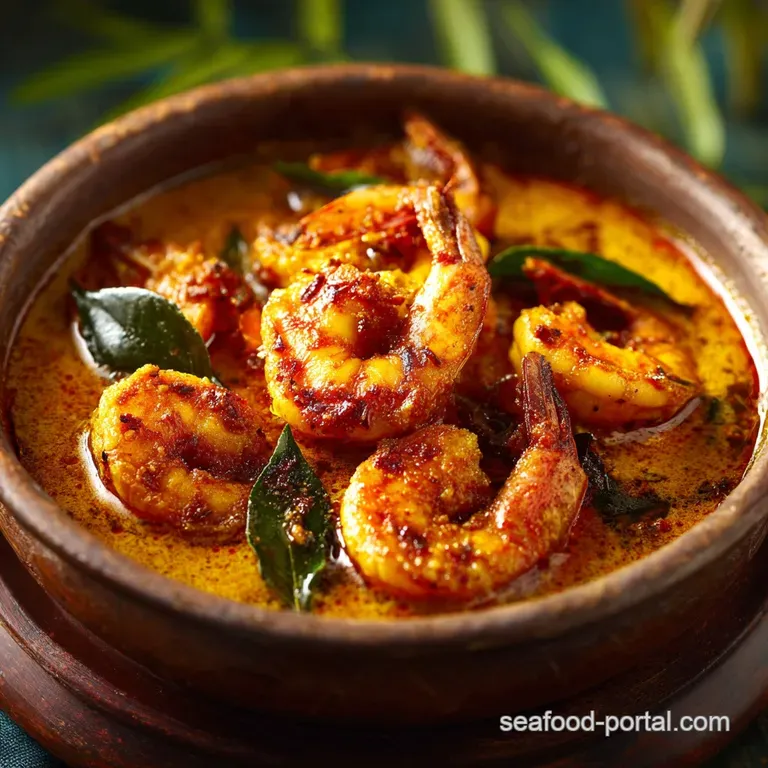
Step 1: The Essential Tempering and Aromatic Base
First, get your heavy bottomed pot heating over medium high heat with the oil and ghee/butter. When it shimmers, add the whole mustard seeds and those beautiful curry leaves. They will start to sizzle and pop aggressively; cover the pot momentarily if you need to protect your eyesight.
Once they are fragrant (about 30 seconds), throw in the diced onion and a pinch of salt. Cook until softened and translucent, then add the ginger, garlic, and sliced chili, cooking for just one minute until everything smells intoxicatingly good.
Step 2: Building the Sauce and Achieving Simmer Consistency
Reduce the heat slightly, then add all your dry spices: turmeric, coriander, cumin, and curry powder. Stir constantly for 60 to 90 seconds until the spices darken and stick to the aromatics this is the crucial blooming stage .
Pour in the canned diced tomatoes and stir, cooking them down for about three minutes to cook off that raw tomato taste. Finally, add the full fat coconut milk and stock. Bring it to a gentle simmer, reduce the heat to low, and let it bubble gently, uncovered, for five minutes to marry the flavours.
Chef's Note: If you want a thicker sauce immediately, remove one cup of the simmering sauce, blend it quickly with an immersion blender, and pour it back in. This uses the cooked down onions and tomatoes as a natural thickener.
Step 3: When to Introduce Shrimp for Optimal Tenderness (Avoiding Rubberiness)
Increase the heat back to medium low to maintain a gentle simmer, then add the prepared, dried shrimp. This is the point of no return! You are cooking the shrimp directly in the sauce. Stir them gently to ensure they are submerged and cook them for only three to five minutes.
They should curl into a tight 'C' shape and turn fully opaque pink.
Step 4: The Final Finish and Balancing the Flavour Profile
As soon as the shrimp are pink, take the pot off the heat immediately . Stir in the fresh lime juice. Give it a taste test and adjust the salt the sauce should be vibrant, spicy, creamy, and salty enough to serve with plain rice.
Garnish generously with fresh cilantro (coriander) and serve piping hot.
Troubleshooting and Expert Tips for Your Next Batch
The Danger Zone: Why Overcooking Shrimp Ruins the Dish
It happens to everyone eventually, but it's a total tragedy. Shrimp proteins contract quickly under heat, pushing all the moisture out and making them chewy and rubbery. The fix: Set a timer for three minutes the moment the shrimp enter the pot.
You can always cook them for another minute, but you can never un-cook them.
Adjusting Heat Levels: Taming the Chilli Powder
If you made the curry too hot, don't panic. You have a few options: add an extra splash of coconut milk (full fat, please) or stir in a small spoonful of plain yogurt or sour cream (dairy is a great capsaicin neutralizer). You can also serve it with a very generous side of Cucumber Raita to cut the heat.
Fixing a Sauce That Has Split or Curdled
Curdling usually happens if you boil the coconut milk too aggressively, or if you used an old can of milk. If your sauce looks oily or grainy, take it off the heat and whisk in half a teaspoon of cornstarch mixed with a tablespoon of cold water.
Whisk slowly and gently bring it back to a low simmer it should stabilize.
Practical Guide: Storing, Reheating, and Freezing
Reheating Shrimp Curry Without Compromising Texture
The biggest problem with leftovers is that the shrimp will cook again when reheated. The trick: Reheat the sauce first until it is steaming hot, then add the cooked shrimp back in and let them warm through gently for 60 seconds off the heat.
This prevents the shrimp from becoming tough.
Shelf Life: How Long Does Homemade Shrimp Curry Last?
This best shrimp recipe keeps beautifully in an airtight container in the refrigerator for three to four days. The flavour actually gets more integrated and complex on the second day, which is wonderful.
Freezing the Sauce vs. Freezing the Finished Dish
Does it freeze well? Yes, but mostly the sauce. If you know you are making a double batch, I recommend cooking the sauce completely, cooling it, and freezing it before adding the shrimp. Thaw the sauce overnight, bring it to a simmer, and then add the fresh shrimp during Step 3.
If you freeze the finished dish, expect the shrimp texture to be slightly softer upon reheating.
What to Serve With Your Coconut Shrimp Curry (Perfect Pairings)
This fragrant, vibrant curry deserves to be the star, but it needs a few supporting players to shine.
We always pair this with perfectly steamed Basmati rice; its delicate aroma complements the coastal spices beautifully. You need something absorbent to soak up every last drop of that creamy coconut sauce.
If you are looking for other fast, elegant seafood dishes, sometimes I whip up the zesty lemon butter of a Shrimp Francese Recipe: Quick, Zesty Lemon Butter Sauce instead. Or, if you want something Mediterranean, the feta rich goodness of Shrimp Saganaki: The Best Greek Feta and Tomato Recipe is a winner.
- Naan or Roti: Warm, soft bread is mandatory for wiping the bowl clean.
- Fresh Cucumber Raita: A simple yogurt based cooling dip made with grated cucumber, mint, and salt provides a fantastic temperature and flavour contrast to the heat of the curry.
- Side of Lime Wedges: Always put extra lime wedges on the table; they allow people to customize the necessary acidic pop right before they eat.
Recipe FAQs
Why did my shrimp turn out tough and rubbery?
Overcooking is the primary culprit when dealing with shrimp. Shrimp cooks incredibly quickly, usually requiring only 3 5 minutes total in the simmering sauce.
Add them toward the very end of the cooking process and remove the pot from the heat as soon as they turn pink and opaque throughout.
My curry sauce is too thin. How do I thicken it without adding flour?
To naturally thicken the curry, you can simmer it uncovered for an extra 5 10 minutes, allowing some excess liquid to evaporate.
Alternatively, you can mash a few tablespoons of cooked potatoes or sweet potato (if you are adding vegetables) and stir them back into the sauce for a richer, starch based consistency.
Can I use frozen shrimp, and do I need to thaw them first?
Frozen shrimp works perfectly well for this recipe, but they must be fully thawed before cooking. Pat them thoroughly dry with paper towels afterward, as excess moisture will water down the sauce.
If you add frozen shrimp directly, they will drop the temperature of the curry and release a significant amount of liquid as they thaw, negatively impacting the flavor concentration.
How can I adjust the spice level for those who prefer milder heat?
The primary heat comes from the chili powder or fresh chilies used. For a milder version, substitute half of the chili powder amount with sweet paprika.
If using fresh green chilies, ensure they are left whole and scored (not sliced), so the heat infuses gently and they can be easily removed before serving.
I only have light coconut milk. Will that work?
While light coconut milk will function, the finished curry will be noticeably thinner and less rich, losing some of the traditional Kerala creaminess.
If you must use light coconut milk, consider reducing the total liquid by 1/4 cup and adding a small amount of coconut cream or 1 teaspoon of cornstarch slurry to improve the mouthfeel.
How should I store leftover shrimp curry, and can I freeze it?
Leftovers should be stored in an airtight container in the refrigerator and consumed within 3 days.
Freezing is generally not recommended for shrimp curry; the texture of the shrimp degrades significantly upon thawing, and the coconut milk base tends to separate and become slightly grainy.
What’s the best way to ensure maximum fresh flavor from the spices?
Always bloom your ground spices by cooking them briefly in the oil with the aromatics (ginger, garlic, onion) before adding the liquid.
This light toasting releases their fat-soluble flavor compounds, ensuring a deeper, more aromatic curry base instead of a raw, dusty taste.
30 Minute Kerala Shrimp Curry
Ingredients:
Instructions:
Nutrition Facts:
| Calories | 420 kcal |
|---|---|
| Fat | 25 g |
| Fiber | 4 g |
