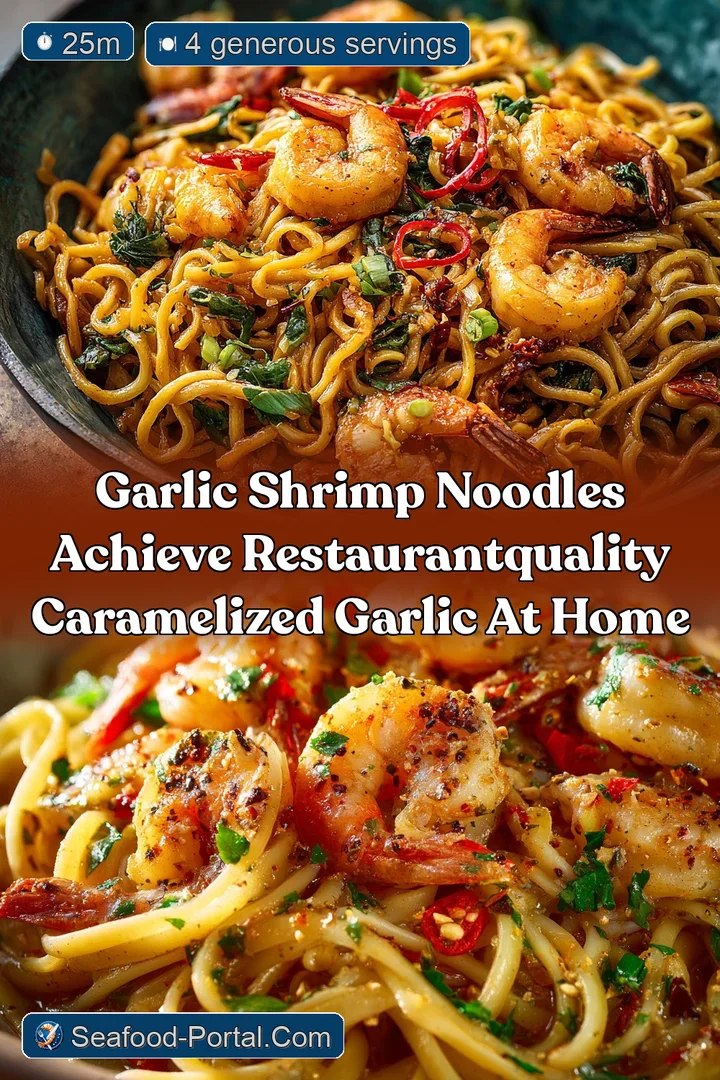
Garlic Shrimp Noodles the Ultimate 25Minute Garlic Butter Scampi Fusion
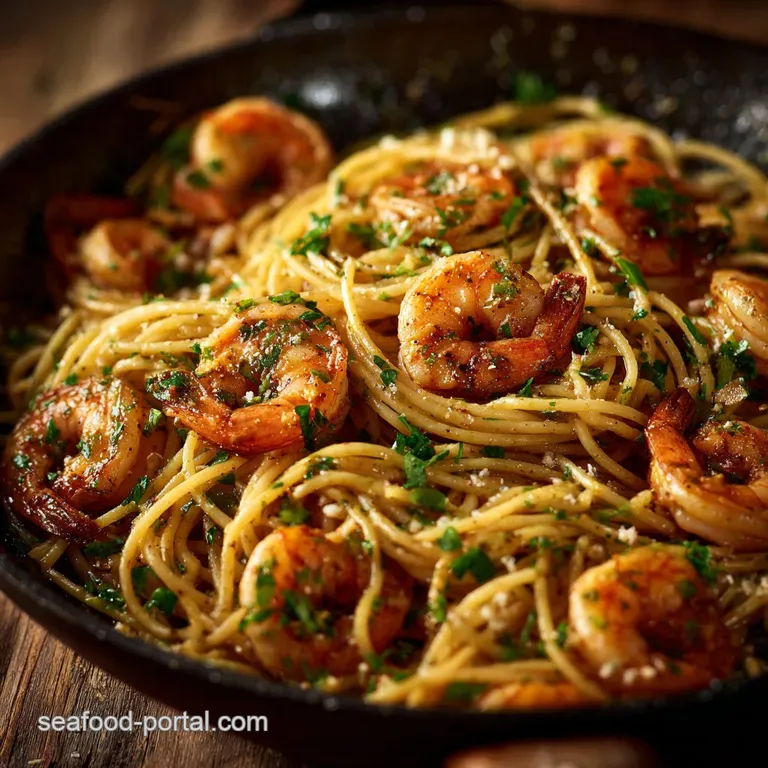
- Beyond the Takeout: Why Technique Matters for Stellar Garlic Shrimp Noodles
- Chef Julian’s Secret Weapon: The Sweet, Caramelized Garlic Method
- Stocking Your Pantry: Essential Components for Flavor Depth
- Tools of the Trade: What You Need for Maximum Efficiency
- Phase I: Noodle Preparation and Rapid Shrimp Searing
- Phase II: The Key to Flavor — Building the Garlic Butter Sauce
- Customizing Your Bowl: Variations and Dietary Swaps
- Mastering Meal Prep: Reheating and Storage Guidelines
- Recipe FAQs
- 📝 Recipe Card
Beyond the Takeout: Why Technique Matters for Stellar Garlic Shrimp Noodles
If I see one more recipe calling for two tiny cloves of garlic in a dish named "Garlic Shrimp Noodles," I swear I’m going to lose it. Look, we’re friends, right? So let me be straight with you: making great garlic noodles at home is about two things: sheer volume of garlic, and maniacal attention to heat control.
Skip the takeout menu tonight. We can beat it, and we can do it faster than the delivery driver can find your street.
I used to rush this. I'd dump the minced garlic in blazing hot oil, sear the shrimp until it was basically bouncy rubber bands, and then wonder why the final dish tasted vaguely bitter and oily. Total facepalm moment. But years of obsessive trial and error (and a few burnt pans) taught me the truth.
This dish often called Asian Garlic Shrimp Noodles or just a quick Scampi Noodle Dish is fundamentally about building layers of complex flavor in under 25 minutes. It’s not about boiling pasta and mixing in butter at the end. It’s brilliant.
Chef Julian’s Secret Weapon: The Sweet, Caramelized Garlic Method
This is the only section you really need to read if you want to level up your entire noodle game. The entire premise of this recipe hangs on turning raw, pungent garlic into sweet, mellow gold.
The Difference Between Burnt Garlic and Buttery Perfection
The difference between amazing homemade Garlic Shrimp Noodles and sad, oily leftovers? Temperature. You know that bitter, aggressive taste that sometimes lingers in restaurant scampi? That’s burnt garlic, my friend. We want none of that here.
When you mince a massive amount of fresh garlic (and yes, we are using 10 to 12 cloves, embrace the breath mints), you must treat it gently. We cook it low and slow think medium and low heat in the oil and first batch of butter until it turns pale, toasted gold.
It takes about 3 to 4 minutes. If it starts browning quickly or bubbling violently, yank the pan off the heat immediately. You are caramelizing the garlic, not frying chips.
Crucial warning: If the garlic is dark brown, throw it out and start over. I know, waste, but burnt garlic will ruin the entire dish. I learned that the hard way when I tried to answer an email while cooking this once. Never again.
Scampi Meets Stir and Fry: Merging Italian and Asian Speed
The beauty of this particular Garlic Noodles With Shrimp Recipe is its fusion nature. It takes the richness of an Italian shrimp scampi (butter, wine, lemon, garlic) and merges it with the rapid and fire technique of Asian stir and frying, along with a hit of salty, savory soy sauce for depth.
We use pasta because it releases perfect starch, and we move fast because, frankly, quick weeknight shrimp dinners are the best kind of dinners. It’s the perfect marriage of comfort and speed.
Demystifying the 25 Minute Dinner Promise
You might be thinking, Yeah, right, 25 minutes, I’ve heard that before. But let me break down the timing. The second the water comes to a boil, everything else starts happening simultaneously.
While the pasta is cooking (10– 12 minutes), you are seasoning the shrimp, mincing the garlic, and starting the slow caramelization process. The searing of the shrimp takes maybe four minutes, tops. The sauce? That's another three minutes of furious whisking.
If you prepped your shrimp and garlic the night before, honestly, you could clock this whole Homemade Garlic Shrimp Noodles dish in 15 minutes flat.
Is This the Best Garlic Shrimp Noodles Recipe You'll Ever Make?
I’m not one for hyperbole (okay, maybe a little), but yes. This easy shrimp noodle recipe, specifically because of the caramelized garlic and the final emulsification trick (we'll get there), yields a result that is leagues beyond standard fare. It tastes rich, bright, salty, and sweet all at once.
And you made it. How cool is that?
Stocking Your Pantry: Essential Components for Flavor Depth
You need a few items that might surprise you if you’re used to straight and up Italian pasta.
- Low and Sodium Soy Sauce: This is the Umami King. It adds that signature savory depth that pushes this into Asian Garlic Shrimp Noodles territory. Don't use regular soy sauce; it’s too salty for how much we use.
- Starch Water: The starchy, murky liquid you reserve from the boiled noodles is non and negotiable. That's what gives us the velvety mouthfeel. If you skip this, your sauce will be watery and separated.
- Dry White Wine (or Stock): This isn't just for deglazing; it adds necessary acidity and complexity. If you don't keep wine around, chicken stock is totally fine, but maybe add a tiny splash of white wine vinegar at the end to make up for the missing brightness.
Tools of the Trade: What You Need for Maximum Efficiency
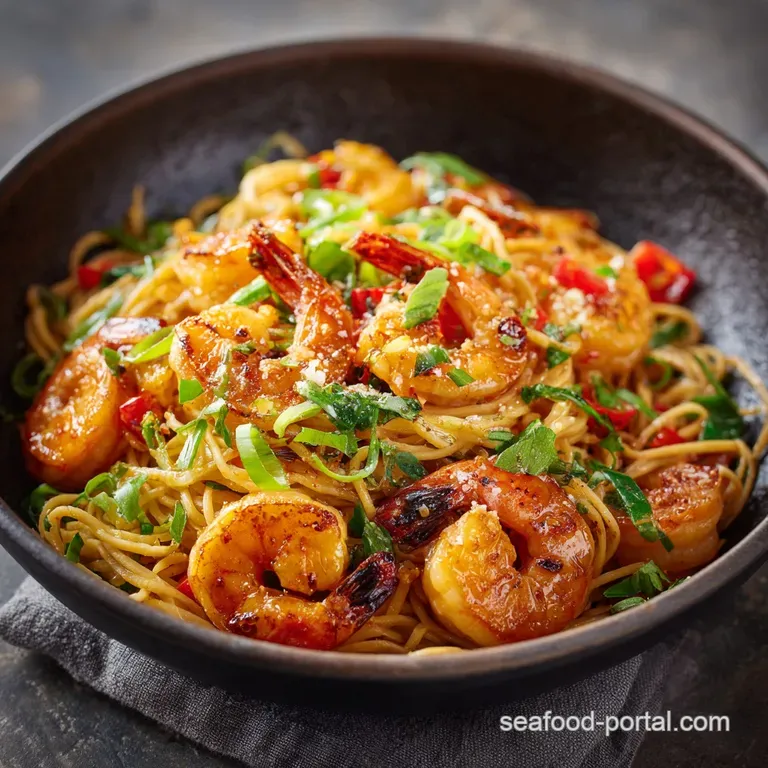
For this kind of rapid and fire cooking, having the right equipment makes a huge difference.
Selecting the Perfect Shrimp: Size, Prep, and Sustainability
Go big or go home. I recommend a 21/25 count (meaning 21 to 25 shrimp per pound). They stay juicier and are harder to overcook. Always buy peeled and deveined if you can, unless you just love peeling raw seafood (I don't). Pat them aggressively dry before seasoning.
If they’re wet, they steam instead of sear, and we want a gorgeous, quick sear. For sustainability, look for domestic Gulf shrimp or Pacific white shrimp with certification labels, if that's available to you.
Choosing Your Noodle Base: From Linguine to Ramen
I usually use linguine or spaghetti. Why? They have good surface area for the Garlic Shrimp Noodle sauce to cling to. However, if you want a deeper Asian flavor, fresh ramen noodles or thick Udon noodles work brilliantly.
Just be aware that fresh egg noodles don't release as much starch as dried durum wheat pasta, so you might need a little more stock or butter in the final toss.
The Golden Ratio: Mastering the Garlic and to-Butter Balance
We are aiming for a 1:1 ratio of oil and butter (4 Tbsp each) and an astonishing amount of garlic (10+ cloves). The oil raises the smoking point of the butter, allowing the garlic to soften and caramelize slowly without burning the dairy solids.
The resulting sauce is rich but light, thanks to the lemon juice and the final emulsion. We need all that fat to infuse the sweet garlic flavor deeply. Don't skimp on the butter, seriously.
Necessary Cookware for over High heat Searing
You need a large, wide skillet. Not a deep pot. I love my 12 inch cast iron or a non and stick frying pan with heavy bottom. Why? We need high, even heat retention for the shrimp searing step, but enough surface area so the sauce can reduce quickly.
If your pan is too small, the noodles will clump, and the sauce will steam instead of emulsifying.
Related Recipes Worth Trying
- Broiled Shrimp The 5Minute Zesty GarlicLemon Recipe — Broiled Shrimp delivers tender juicy seafood perfection in under 15 minutes This quick shrimp recipe tossed in zesty garliclemon butter shows you how to...
- Shrimp Newburg The Decadent Velvety Cream Sauce Recipe — Shrimp Newburg is an impressive classic seafood dinner recipe featuring tender shrimp and a rich buttery sherryinfused Shrimp Newburg sauce Master the...
- Yucatan Shrimp Recipe 25Minute Zesty Butter Sauce Classic — This vibrant Yucatan Shrimp dish is ready in 25 minutes Get the authentic Yucatan Shrimp Sauce Recipea sublime balance of zesty lime silky butter and chili...
Phase I: Noodle Preparation and Rapid Shrimp Searing
Time is ticking! Let's crack on.
Achieving Al Dente Perfection: Tips for Boiling Pasta/Noodles
When cooking pasta that will be finished in a sauce, you need to deliberately undercook it by about two minutes. If the package says 12 minutes, cook it for 10. It needs to be firm— al dente —because it continues cooking in the hot pan with the sauce.
That final minute of cooking, where the noodles absorb the garlic and butter liquid, is what gives you maximum flavor absorption and helps build that silky sauce.
The Two and Minute Sauté: Flash and Cooking the Shrimp
This is where I used to mess up big time. I’d cook the shrimp with the garlic and sauce, guaranteeing overcooked, sad protein. Now, I sear the shrimp first, in a hot pan (after the garlic is already golden and removed), just until they turn pink on both sides about two minutes total.
Then, I take them out. They go onto a plate and wait patiently. They come back into the pan right at the very end, ensuring they are perfectly tender and juicy. This is the secret to a successful Shrimp Noodle Dish.
Phase II: The Key to Flavor Building the Garlic Butter Sauce
This phase takes everything you've done so far and ties it into a beautiful, fragrant bow.
Caramelizing the Garlic, Not Burning It (The Critical First Step)
I can't stress this enough: Heat down, patience up. Use that medium and low heat. Add the oil, the first half of the butter, the minced garlic, and the red pepper flakes. Listen to the gentle sizzle. If it's a roar, turn it down. Stir constantly. The goal is fragrant, light golden bits floating in the oil.
It should smell nutty and sweet, not pungent. Once it’s perfect, you use this infused oil to sear the shrimp, then you put the garlic back in for the sauce later.
How to Emulsify the Sauce for a Velvety Finish (Garlic Shrimp Noodles)
Emulsification sounds scary, but it’s just physics. You combine fat (butter/oil) with liquid (reserved pasta water, wine, lemon juice) and use force (vigorous tossing) to blend them into a creamy, cohesive sauce that doesn’t separate. The starch from the pasta water acts as the binder.
When you add the pasta water and the last two tablespoons of cold butter, toss hard. The sauce should become glossy and slightly milky. If it’s too thick, add more pasta water. If it’s too thin, let it simmer for 30 seconds.
The Final Toss: Marrying the Sauce and Garlic Shrimp Noodles
Once the sauce is velvety, add the drained noodles and the final dose of butter. Toss vigorously with tongs for about a minute. The noodles will suck up the sauce beautifully. Now, turn the heat off. We don't want the shrimp to cook further. Gently fold the shrimp back in, along with your fresh herbs. Taste it.
Does it need more salt? More zing? A squeeze of lemon juice usually fixes everything. Serve immediately.
Customizing Your Bowl: Variations and Dietary Swaps
This Garlic Shrimp Noodle dish is endlessly adaptable. Here are a few ways I've played with it when the pantry was sparse.
- Add grated Parmesan cheese yes, it works with the soy sauce. Don't judge it until you try it.
- Swap out the parsley for fresh cilantro and Thai basil for a completely different aromatic profile.
- Stir in one cup of fresh spinach or cherry tomatoes during the final toss for color and vegetables.
Mastering Meal Prep: Reheating and Storage Guidelines
Leftovers? They happen, even with a dish this addictive. This recipe holds up surprisingly well, provided you store the sauce and noodles separately if you can manage it.
- Storage: Store leftovers in an airtight container for up to three days. The shrimp might get a little tougher, but the flavor remains amazing.
- Reheating: Avoid the microwave if possible. Reheat gently in a skillet over low heat. Add a splash of water or stock about two tablespoons to revitalize the sauce and prevent the noodles from drying out and clumping.
Making it Spicy: Incorporating Chili Flakes or Sriracha
I find red pepper flakes are the best route because they infuse their heat into the oil slowly during the garlic caramelization step. If you want serious heat, stir in a teaspoon of chili garlic oil (Lao Gan Ma) during the final toss.
Sriracha is great, but because it’s a sweet sauce, wait until the very end and use it as a garnish.
Vegetarian Adaptations: Trading Shrimp for Mushrooms or Tofu
If you want a vegetarian version of these Asian Garlic Shrimp Noodles, the flavor base is still perfection. Swap the shrimp for about a pound of sliced mushrooms (cremini or shiitake). Sauté them until they release their liquid and brown beautifully before you start the garlic step.
Or, press extra and firm tofu, cube it, and pan and fry it until crisp. Either way, the cooking time remains roughly the same, but the overall flavor depth increases dramatically.
Troubleshooting Common Issues (Soggy Noodles or Broken Sauce)
| Issue | Cause | Solution |
|---|---|---|
| Soggy Noodles | Cooked too long before adding to the sauce, or rinsed after draining. | Cook pasta 2 minutes shy of package directions. Toss vigorously, quickly. |
| Rubbery Shrimp | Cooked too long during the initial sear, or reheated in the sauce for too long. | Pull the shrimp out the moment they turn pink. Turn heat off before folding them back in. |
| Broken/Oily Sauce | Not enough starch, or the liquid was added to a too and hot pan and separated. | Add another tablespoon of cold butter and toss hard. If that fails, whisk in 1 tsp of cornstarch mixed with 1 Tbsp cold water. |
Nutritional Snapshot: Comparing Takeout vs. Homemade
This is where you win big. When you make this at home, you control the quality of the oil (Extra Virgin Olive Oil) and the amount of sodium. Takeout garlic noodles often rely on massive amounts of saturated fats (and sometimes MSG) for flavor.
Our version uses fresh lemon juice and low and sodium soy sauce for flavor balance, keeping things vibrant and much cleaner. Plus, you get a significant protein hit from all that gorgeous, perfectly cooked shrimp!
Recipe FAQs
Blimey, I always burn my garlic! How do I stop the "star" of these Garlic Shrimp Noodles from tasting bitter?
It's all about low and slow, mate! Keep the heat at medium low when sautéing the minced garlic for 3 to 4 minutes until it's light golden brown and fragrant; if it turns dark brown, it’s already acrid and bitter, ruining the whole thing.
Chef Julian mentioned "starchy water." Is reserving the pasta water really that important?
Absolutely! That cloudy, starchy water is the secret weapon; when combined with the butter and oil, it creates a crucial emulsification that makes the sauce silky and ensures it clings beautifully to every single noodle.
I haven't got shrimp, and I fancy a change from spaghetti. What protein or pasta swaps are easy peasy?
You can easily substitute the shrimp for bite sized pieces of chicken breast or even scallops (just increase the cook time for chicken). For pasta, fresh egg noodles, linguine, or even wide rice noodles work wonderfully, as the buttery sauce clings well to them all.
Can I make this ahead of time, or are leftovers a bit dodgy?
This dish is best served immediately, but leftovers keep well in the fridge for up to 2 days. To reheat, warm gently on the hob with a splash of water or stock to revive the sauce, but take care not to let the shrimp dry out.
I don't drink wine; is there a simple substitution for deglazing the pan?
No worries! You can use low-sodium chicken or vegetable stock instead of white wine for deglazing, but remember to still add the fresh lemon juice at the end, as that acidity is non-negotiable for cutting through the richness and giving the dish its essential zing.
25minute Garlic Shrimp Noodles
Ingredients:
Instructions:
Nutrition Facts:
| Calories | 675 calories |
|---|---|
| Fat | 32.5 g |
| Fiber | 3 g |
