Sunny Day Shrimp and Artichoke Sauté with Lemon White Wine and Feta
- Capturing the Mediterranean Vibe in Under 30 Minutes
- Why This Lemony Sauté Will Become Your New Weeknight Star
- The Essential Components for Your Zesty Shrimp and Artichokes Sauté
- Quick Preparation Steps Before Turning on the Heat
- Mastering the Sauté: Step-by-Step Directions
- Troubleshooting Common Cooking Issues
- Expert Tips and Serving Suggestions for Shrimp and Artichokes
- Recipe FAQs
- 📝 Recipe Card
Capturing the Mediterranean Vibe in Under 30 Minutes
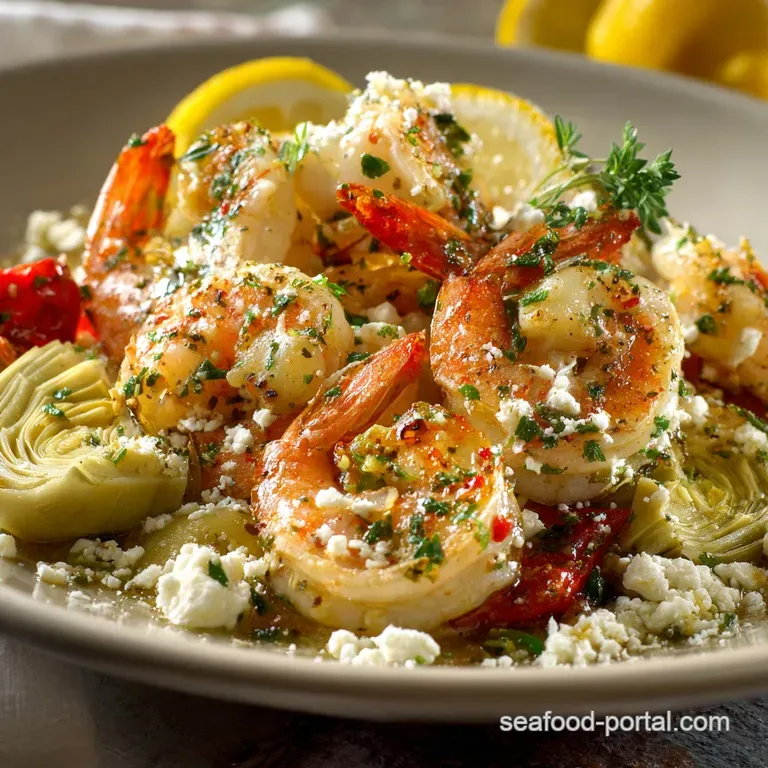
Imagine a dish so bright, flavorful, and effortless that it transports you instantly to a sun-drenched coastal bistro. That is the magic of this quick fire Shrimp Artichoke Sauté .
Too often, people assume that elegant, restaurant quality seafood must be complicated, but this is a shining example of how simple ingredients, combined with proper technique, yield spectacular results.
We are focusing on maximum flavor extraction in minimal time, proving that genuinely satisfying Shrimp and Artichoke Recipes are perfect for even the busiest weeknights. Clocking in at just 25 minutes from start to finish, this dish is your new go-to for speed and sophistication.
Why This Lemony Sauté Will Become Your New Weeknight Star
This recipe combines the best of classic bistro cooking with the vibrant, zesty appeal of Greek and Italian coastal fare, creating a stunning Shrimp Artichoke Recipes Dinner .
It leverages the core principles of dishes like Skillet Shrimp Scampi —namely, the richness of garlic, white wine, and butter but adds the welcome earthiness and tang of artichokes, creating a far more complex profile.
The ease with which the flavors come together makes this a perfect entry point for cooks who want to elevate their seafood repertoire without complex techniques.
What Makes This Recipe So Fast and Flavorful?
The speed of this dish stems entirely from its structure: it relies on high heat sautéing and ingredients that require little to no pre-cooking. Shrimp takes only minutes to sear, and we utilize canned artichoke hearts, which only need to be warmed through.
The intense flavor is built instantly by deglazing the pan with white wine a process that captures all the savory brown bits left behind by the initial sear, integrating them into a glossy, quick simmered sauce.
Why We Combine Shrimp and Artichokes for the Perfect Match
The partnership between Shrimp and Artichokes is a classic one, rooted in complementary textures and tastes. Plump, sweet shrimp provides tender protein, while the artichoke hearts offer a delightful, slightly chewy bite and a vegetal tanginess that cuts through the richness of the butter and feta.
This contrast creates a beautifully balanced plate, ensuring the meal feels hearty without being heavy.
Choosing the Right Pan for a Professional Sear
To achieve the best results, selecting the right equipment is critical. We highly recommend using a large, heavy bottomed 12 inch skillet, ideally stainless steel. Stainless steel conducts heat evenly and, crucially, allows the small, browned particles the fonds —to stick to the bottom.
These bits are essential for flavor during the deglazing process. Non-stick pans, while convenient, prevent the formation of these flavor compounds, which are key to a truly rich sauce.
The Essential Components for Your Zesty Shrimp and Artichokes Sauté
The success of this dish lies in the balance of richness, acidity, and salty tang provided by the Shrimp Artichoke Lemon Feta profile. You will need 1 lb (450g) of large shrimp, which serves as the centerpiece, alongside one standard 14-oz can of quartered artichoke hearts.
For the fat and aromatics, gather 2 Tbsp each of good quality Extra Virgin Olive Oil and unsalted butter, plus 4 cloves of minced garlic and 1/2 tsp of dried oregano. The powerful sauce base requires 1/2 cup of a crisp dry white wine (like Sauvignon Blanc) and 1/4 cup of chicken stock.
Crucially, the final, bright finish is achieved with 2 Tbsp of fresh lemon juice, 1 tsp of lemon zest, and the crowning touch: 1/4 cup of crumbled feta cheese and 1/4 cup of fresh parsley.
Related Recipes Worth Trying
- Authentic Vietnamese Shrimp Toast Crispy Bouncy Bánh Mì Chiên Tôm — Forget takeaway This vibrant Vietnamese Shrimp Toast recipe is easy to master featuring a bouncy chả tôm mousse and a breathtakingly crisp golden finish A...
- Blackened Shrimp Tacos Recipe Quick Easy Zesty CilantroLime Slaw — Forget fussy recipes These easy shrimp tacos deliver big blackened flavour and a refreshing crunch thanks to the creamy cilantrolime slaw Quick shrimp...
- Sticky Sweet and Spicy Tilapia 25Minute Weeknight Cracker — This quick tilapia recipe features tender fillets glazed in a sticky fiery sauce Enjoy maximum flavour with minimum fussyour goto Sweet and Spicy Tilapia...
Quick Preparation Steps Before Turning on the Heat
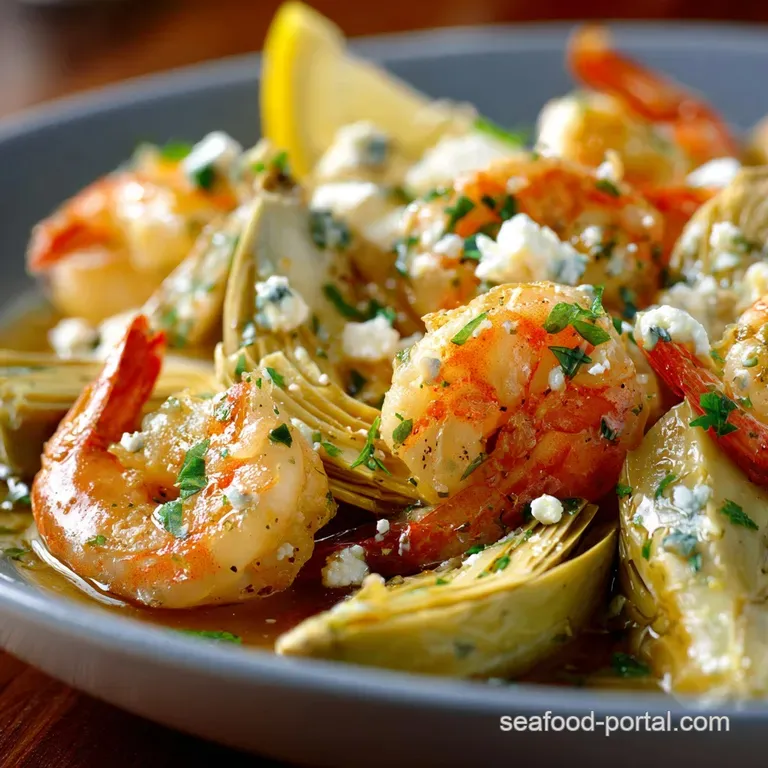
A flawless sauté depends entirely on proper mise en place . Since the cooking time is a mere ten minutes, having everything ready to go is non-negotiable.
Sourcing the Best Artichoke Hearts (Marinated vs. Frozen)
For maximum convenience and minimal prep, a 14-ounce can of quartered artichoke hearts is recommended. Be sure to drain and rinse them thoroughly to wash away any preserving liquid.
If you are using pre-packaged Marinated shrimp and artichokes recipe style hearts, ensure you rinse them particularly well to prevent excessive oil or vinegar from destabilizing the finished sauce. Frozen artichoke hearts work well too; just ensure they are fully thawed and patted dry before use.
Selecting and Prepping Your Shrimp for Optimal Texture
Use large, peeled, and deveined shrimp (21/25 count). The most critical step in How To Cook Shrimp With Artichokes perfectly is ensuring the shrimp are absolutely dry.
Use kitchen paper to pat them down repeatedly; any surface moisture will cause the shrimp to steam rather than sear, resulting in a dull exterior and a rubbery texture. Once dried, toss them lightly with 1 tsp of kosher salt and 1/2 tsp of black pepper.
Building the Bright Sauce Base (Wine, Lemon, and Garlic Ratios)
Pre-measure your liquids and aromatics. Have the 4 minced garlic cloves ready to go, along with the white wine and stock. The garlic needs to be ready for its 30-60 second sauté window. Remember that the fresh lemon juice and zest are reserved until the very end to maximize their bright, clean flavor profile.
Mise En Place: Grouping Your Ingredients for Efficiency
Organize your workstation into zones: the initial sear ingredients (shrimp, oil, first batch of butter), the sauce builders (garlic, wine, stock, artichokes), and the finishers (final butter, lemon, feta, parsley).
This rapid fire assembly prevents burning the delicate aromatics and ensures a smooth transition between cooking stages.
The Easiest Way to Zest and Juice a Lemon
To get the essential 1 tsp of zest, use a microplane. Gently rub the lemon surface, rotating it constantly, only taking the bright yellow skin and leaving the bitter white pith behind. Once zested, cut the lemon in half and extract the 2 Tbsp of fresh juice needed.
Mastering the Sauté: step-by-step Directions
We begin by heating 1 Tbsp of olive oil and 1 Tbsp of butter in the large skillet over medium high heat. Once the butter foams and subsides, add the seasoned shrimp in a single layer. Sear them intensely for just 1 to 1. 5 minutes per side.
They should be just turning pink and opaque but not fully cooked. Remove them immediately and set them aside.
Next, reduce the heat to medium. Add the remaining 1 Tbsp of olive oil, followed by the minced garlic and dried oregano. Sauté for a rapid 30 60 seconds until fragrant, stirring constantly. Do not let the garlic brown or burn.
Pour in the 1/2 cup of white wine, bringing it to a rapid simmer while aggressively scraping the pan bottom to deglaze and lift all those concentrated brown bits. Allow the wine to reduce by half this process takes about 90 seconds.
Stir in the drained artichoke hearts and the 1/4 cup of chicken stock. Let this mixture gently simmer for 1 minute to warm the artichokes. Finally, return the partially cooked shrimp and any collected juices to the pan.
Simmer for just 1– 2 minutes, stirring gently, until the shrimp are fully cooked and curled into firm ‘C’ shapes. Remove the skillet from the heat, stir in the remaining 1 Tbsp of cold butter, the fresh lemon juice, and the zest.
Garnish with the feta and fresh parsley and serve immediately.
Troubleshooting Common Cooking Issues
Even simple recipes present specific hurdles. Knowing how to handle the high heat and precise timing ensures your meal is successful every time.
Perfecting the Sear on the Shrimp in High Heat
If your shrimp are failing to develop a nice golden pink sear, the pan heat is too low or your shrimp are too wet. Ensure the pan is preheated fully, the fat is shimmering, and you only cook the shrimp in a single layer. If you overcrowd the pan, the temperature drops, leading to steaming.
Deglazing the Pan for Maximum Flavor Extraction
The deglazing step is non-negotiable for sauce quality. If you skip scraping up the brown bits (the fonds ) after adding the wine, you lose out on the caramelized flavor from the seared shrimp. Use a wooden spoon to firmly scrape the bottom until the wine mixture is cloudy and rich.
Combining the Artichokes and Finishing the Dish with Feta
The artichokes should be added early enough to warm thoroughly but not long enough to dissolve. Feta, however, must be added off the heat. If you cook the feta, it melts into an oily, salty mess; adding it as a garnish maintains its sharp, crumbly texture, which contrasts beautifully with the warm, silky sauce.
Preventing Rubbery Shrimp (The Danger of Overcooking)
The critical point when learning How To Cook Shrimp With Artichokes is monitoring its shape. Overcooking is the primary cause of rubbery seafood. Since we sear them partially and then finish them in the sauce, the total cooking time is very short.
As soon as the shrimp curl into a tight 'C' shape, they are done. If they curl into a tight 'O' shape, they are already overcooked.
How to Balance the Acidity of the Sauce
The sauce relies on the balance between fat (butter/oil), salt (feta/stock), and acid (wine/lemon). If the finished dish tastes too sharp, the simple fix is to increase the richness by stirring in a little more butter, which emulsifies the sauce and naturally mellows the lemon’s acidity.
Expert Tips and Serving Suggestions for Shrimp and Artichokes
Ideal Side Dishes to Pair with This Light Meal
Because this sauté is so light and zesty, it cries out for a simple starch that can soak up the incredible lemon garlic sauce. A perfect accompaniment is a creamy Polenta, Orzo, or a basic Lemon Herb Rice Pilaf.
Alternatively, serve with thick slices of crusty sourdough or baguette, ensuring no drop of that delicious liquid is left behind.
Making This Recipe dairy-free or Keto Friendly (Easy Variations)
This recipe is highly adaptable. To make it dairy-free, substitute the unsalted butter with an additional tablespoon of olive oil, and simply omit the feta cheese. For those following a Keto lifestyle, the preparation remains the same; simply replace starchy sides with cauliflower rice or serve the dish over a generous bed of sautéed spinach or arugula.
Safely Storing Leftover Seafood Sauté
Seafood is best enjoyed fresh, but leftovers can be safely stored in an airtight container in the refrigerator for up to two days. When reheating, use a low heat on the stovetop and add a small splash of stock or wine to keep the shrimp moist, as it tends to dry out quickly upon rewarming.
Adapting This Recipe for Pasta or Rice (Meal Integration)
This dish easily converts into a hearty meal. To create a Shrimp artichokes pasta , simply cook 8 oz of your preferred pasta (linguine or spaghetti work well) separately.
Increase the stock in the recipe by 1/4 cup to create a looser sauce, and toss the entire finished sauté directly with the drained pasta, ensuring everything is well coated before serving.
Quick Look at the Nutritional Profile
This recipe provides a fantastic, lean source of protein without heavy carbohydrates. Each serving (excluding side dishes) estimates around 380 kcal, delivering a substantial 38 grams of protein and just 9 grams of carbohydrates. It is a satisfying yet light choice that fits well into many modern healthy eating plans.
Recipe FAQs
How do I stop my shrimp (prawns) from getting tough and rubbery?
The key to avoiding that dreaded rubbery texture is timing, mate! We only partially cook the shrimp (about 90 seconds per side) and remove them quickly from the pan. They finish cooking gently when you return them to the sauce for the final minute or two, ensuring they remain tender and juicy.
I don't fancy using wine; how do I keep the flavour of my Shrimp and Artichokes dish bright?
Not to worry! You can easily substitute the dry white wine with an equal amount of low-sodium chicken or vegetable stock. To replace the necessary acidity the wine provides, add a tiny splash (about 1 tsp) of apple cider vinegar or white wine vinegar right before adding the stock.
This little secret keeps the sauce bright and prevents the flavour from tasting flat spot on!
Should I use canned or frozen artichoke hearts for this quick sauté?
Canned artichoke hearts are usually the easiest and most reliable option for this recipe, as they are already fully cooked and tender. Just ensure you drain and rinse them thoroughly before incorporating them, as residual brine can make the Shrimp and Artichokes dish overly salty.
If using frozen, make sure they are fully thawed and patted dry before adding them to the pan.
Can I make this ahead of time, or how long do the leftovers last?
Shrimp is always best eaten straight away; reheated seafood can be a bit dodgy and get tough very easily. While we don't recommend making the full dish ahead, you can prep all your ingredients (chop garlic, drain artichokes) to save time.
Leftovers can be safely refrigerated in an airtight container for up to 2 days, but try to reheat them very gently (low heat in a skillet) just until warmed through to prevent them from turning rubbery.
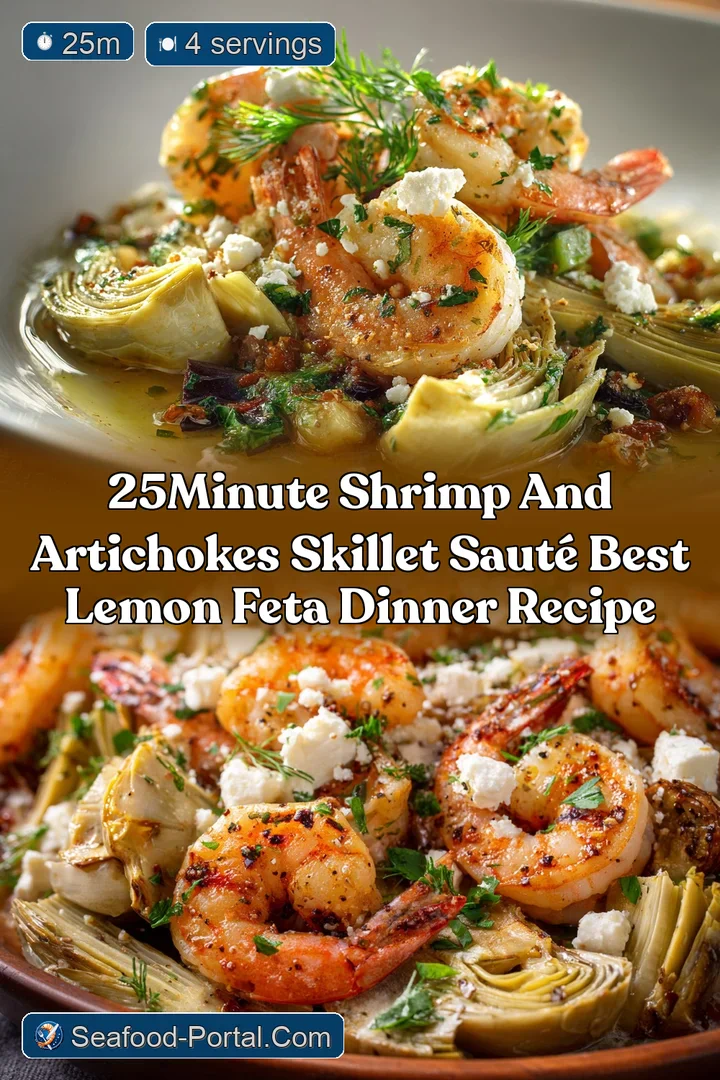
25min Shrimp Artichoke Saute With Lemon Feta
Ingredients:
Instructions:
Nutrition Facts:
| Calories | 974 kcal |
|---|---|
| Protein | 12.9 g |
| Fat | 26.6 g |
| Carbs | 58.4 g |
| Fiber | 27.2 g |
| Sodium | 508 mg |
