Shrimp Stir Fry: the 20-Minute Zesty Ginger-Garlic Weeknight Wonder
- The Ultimate 20 Minute Weeknight Shrimp Stir Fry
- The Science Behind the Perfect Shrimp Stir Fry
- Essential Components for Your Zesty Shrimp Stir Fry
- Mastering the Stir Fry Method: Quick Execution
- Troubleshooting Your Shrimp Stir Fry (Chef's Secrets)
- Serving and Pairing Suggestions
- Storage and Reheating Leftover Stir Fry
- Recipe FAQs
- 📝 Recipe Card
The Ultimate 20 Minute Weeknight Shrimp Stir Fry
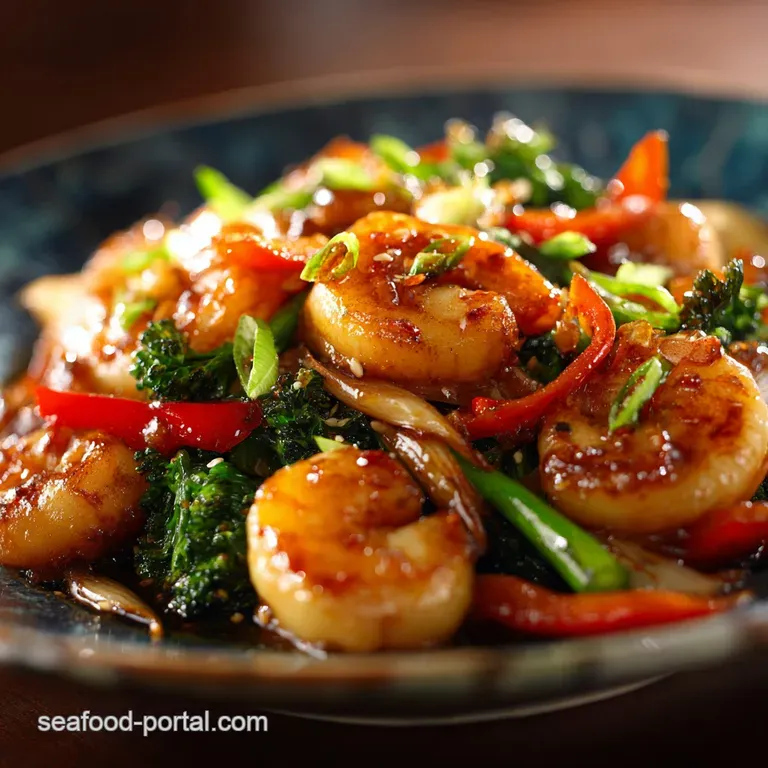
Can you smell that? The second that fresh ginger and garlic hit the searing hot wok, everything changes. It’s an intoxicating aroma, zesty and savory, promising a dinner that is bright, crunchy, and utterly satisfying. That gorgeous caramelization on the shrimp?
We’re going to achieve that restaurant quality perfection tonight.
This shrimp stir fry recipe easy is my absolute lifeline on a Tuesday. It’s faster than ordering takeout, requires only simple ingredients you probably already have, and costs peanuts compared to delivery fees.
You get maximum flavor payoff for minimum effort a weeknight miracle, frankly.
I used to just dump everything into a cold pan and hope for the best, resulting in sad, mushy veggies and boiled shrimp. No more! I’m going to share the real deal secrets to achieving the perfect, glossy shrimp stir fry sauce and delightfully crisp shrimp stir fry vegetables .
The Science Behind the Perfect Shrimp Stir Fry
What Makes a Stir Fry Truly Great? (Speed and High Heat)
The secret weapon in any great stir fry is heat, and I mean volcanic heat. We aren't gently sautéing things here; we're using high temperatures to rapidly cook the ingredients, locking in their crispness and natural flavor. This lightning fast process is why your prep (mise en place) is non-negotiable.
If you don't prep, you burn stuff.
Flavor Profile: Zesty Ginger, Garlic, and Umami Balance
This specific flavor combo is balanced perfection, hitting every spot on your tongue. We rely on the pungent warmth of fresh ginger and garlic to carry the aromatics. Then the soy sauce delivers that deep, crucial umami, balanced by the bright tang of rice vinegar and the subtle sweetness of honey.
That tiny bit of heat from Sriracha is just the kicker you need.
Why This Recipe is Healthier Than Takeaway
When you make your own shrimp stir fry , you control the oil and the sugar. Restaurant versions often drown the dish in overly sweetened sauces and far too much oil.
Here, we use just enough neutral oil for searing and a light, glossy sauce that truly highlights the fresh ginger and the succulent seafood.
Achieving Velvety Texture: The Shrimp Preparation Secret
The trick to tender, non-rubbery shrimp is twofold: Pat them dry, and don’t overcook them. Seriously, grab those paper towels and make sure every piece of shrimp is bone dry before it hits the pan. This allows for searing, not steaming.
We cook them 80% of the way through, pull them out, and then return them for the final 30 seconds of saucing.
The Maillard Reaction and Authentic Wok Hei Explained
The Maillard reaction is just the fancy word for "browning." When the shrimp hits the screaming hot pan, the sugars and proteins react, creating that deep, savory crust and complex flavor.
If you use a wok, you might achieve wok hei , which translates roughly to the breath of the wok that smoky, slightly charred taste you get from over high heat cooking.
The Power of Separated Saucing (Why We Add the Glaze Last)
Here is a big tip I learned the hard way: Don't pour the sauce over the vegetables too early! If you do, the sugar in the honey will burn before the cornstarch activates, leading to bitterness. We add the cornstarch slurry to the sauce mixture, whisk it quickly, and then pour it in at the very end.
The high heat immediately thickens it into a beautiful, glossy glaze that coats everything perfectly.
Essential Components for Your Zesty Shrimp Stir Fry
This is what you need to make the best shrimp stir fry of your life. Get everything ready before you start, okay?
Selecting and Preparing the Succulent Shrimp (Fresh vs. Frozen)
I usually buy large raw shrimp (21/25 count) that are already peeled and deveined, sometimes with the tails on for visual appeal. Frozen works wonderfully, but you must thaw them completely and then pat them aggressively dry. I can't stress the dryness enough.
| Ingredient | Amount (approx.) | Viable Substitution |
|---|---|---|
| Raw Shrimp | 1 lb (450 g) | Frozen shrimp (thawed), or swap for firm cubed tofu (pre-seared). |
| Low Sodium Soy Sauce | 3 Tbsp | Tamari (for gluten-free), or coconut aminos. |
| Rice Vinegar | 1 Tbsp | Lime juice, though it will be less authentic tasting. |
| Honey | 1 Tbsp | Maple syrup or granulated brown sugar. |
| Fresh Ginger | 1 inch piece, grated | 1 tsp ground ginger (use in sauce, not sautéed). |
| Broccoli/Bell Peppers | 2 cups chopped | Sliced zucchini, or trimmed asparagus spears. |
Building the Ultimate Stir Fry Sauce Base
This is our secret weapon, the perfectly balanced shrimp stir fry sauce recipe . It needs to be savory, sweet, and acidic. We use the cold water and cornstarch slurry to ensure it thickens into a glaze, not a watery soup. Never skip the cornstarch; it makes the dish.
The Aromatics: Fresh Ginger vs. Pre-Chopped Garlic
Always, always go for fresh ginger. The flavor difference is huge. For the garlic, fresh is best too, but if you're in a total time crunch, the pre-minced jarred stuff will suffice. Just be warned, jarred garlic burns faster, so watch that pan like a hawk.
Vegetable Flexibility: Best Crunchy Additions and Preparations
We want quick cooking, crunchy vegetables that hold up to high heat. Broccoli florets and sliced bell peppers are my favorites because they keep their satisfying snap . Slice everything uniformly so it cooks evenly.
Chef’s Note: Harder vegetables (like carrots or broccoli) go in first, giving them a 60 second head start. Softer vegetables (like sugar snap peas or sliced scallions) go in last.
Mastering the Stir Fry Method: Quick Execution
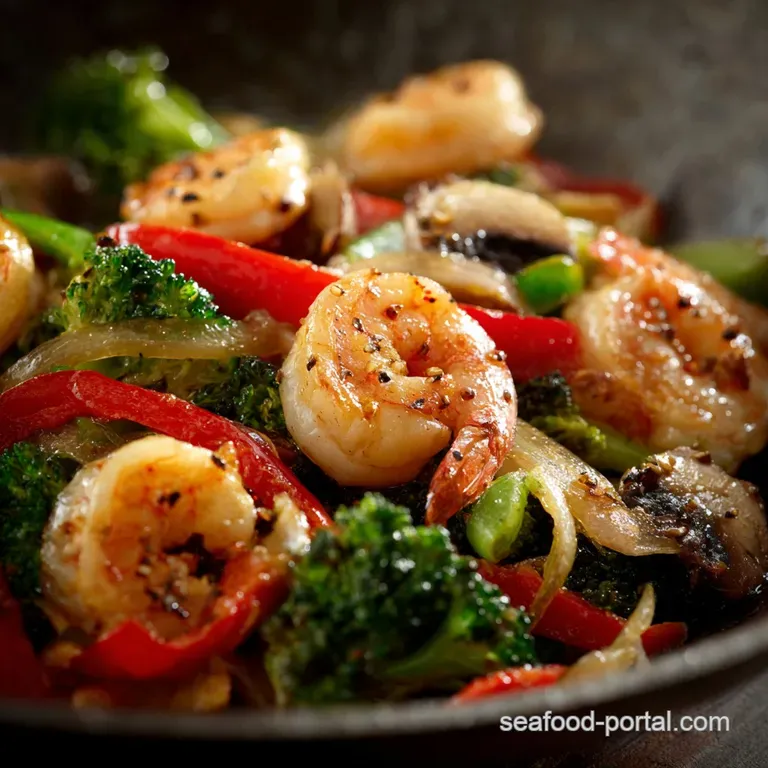
You need everything ready because the cooking takes less than 10 minutes. This is a sprint, people!
Step 1: Prep Like a Pro (The Mise En Place Philosophy)
This is the most important step for a successful shrimp stir fry . Chop all your shrimp stir fry vegetables , mince the aromatics, and fully mix the sauce ingredients together in a bowl.
Then, take a tiny cup and whisk the cornstarch into the cold water to create the slurry. Keep the slurry separate from the main sauce until Step 4.
Step 2: High Heat Searing of Shrimp and Aromatics
Set your pan or wok over maximum heat until it’s shimmering or starting to smoke slightly. Add 1 Tbsp of oil, then add the dry, seasoned shrimp in a single layer. Sear for 90 seconds per side until they turn bright pink. Immediately remove the shrimp to a clean plate.
Now add the remaining oil, the minced ginger, and garlic, cooking only for 30 seconds until super fragrant.
Step 3: Flashing the Remaining Vegetables
Toss in the harder vegetables, the broccoli and bell peppers. Stir fry constantly for about 2 minutes. They should be bright and crisp tender. Next, add the sugar snap peas, stirring for just 60 seconds more. We want crunch, not mushy sadness.
Step 4: The Final Toss and Glaze Activation
Whisk that cornstarch slurry one last time it settles fast! Pour the slurry into your sauce bowl and whisk quickly. Now pour the entire sauce mixture directly over the hot vegetables. Stir rapidly for about 30 seconds until the sauce bubbles up, thickens instantly, and becomes beautifully glossy.
Return the pre-cooked shrimp to the pan and toss just until they are heated through and coated in the thick, shiny shrimp stir fry sauce .
Troubleshooting Your Shrimp Stir Fry (Chef's Secrets)
Why Your Wok Isn't Getting Hot Enough
If you’re using a thin pan or an electric cooktop, the heat might drop too fast when you add cold ingredients. Solution? Cook the shrimp and the vegetables in separate, smaller batches. This keeps the temperature high, ensuring you sear instead of steam.
Preventing Mushy Vegetables (The Crunch Factor)
Mushy vegetables happen when they cook too long or when the pan is overcrowded, causing them to release moisture and steam. Fix: Use only the amount of vegetables specified, cut them uniformly, and keep that heat dial turned up.
The Danger of Overcrowding the Pan
When you crowd the pan, the temperature drops precipitously. The result? Steamed shrimp, watery vegetables, and zero wok hei . If you must, cook your shrimp in two batches and your vegetables in two batches. It adds 3 minutes, but saves the dish.
Serving and Pairing Suggestions
Ideal Rice and Noodle Pairings
We usually serve this classic shrimp stir fry with rice , specifically fluffy steamed Jasmine rice. If you prefer noodles, toss the finished stir fry into some thick, bouncy Udon noodles that you've pre-cooked and drained.
If you're going the noodle route, you might like my recipe for [Shrimp Wontons Recipe: Get That Signature Restaurant Quality Snap] as a perfect appetizer beforehand.
Fresh Garnish Recommendations (Herb Finishing)
Garnishes aren't just pretty; they add a final burst of freshness and texture. Toss in the green parts of the spring onions right before serving. A sprinkle of toasted sesame seeds or a handful of fresh cilantro takes it over the top.
Complementary Side Dishes for Asian Cuisine
To round out the meal, keep it simple. A clean, cooling side dish works best. Try a quick cabbage or carrot slaw dressed simply with lime juice and soy sauce. If you want something richer, this stir fry pairs nicely with the depth of flavor you find in my [Shrimp Gumbo: Rich, Smoky Southern Stew with Traditional Dark Roux] (though obviously, serve them on different nights!).
For a complete, light seafood spread, consider complementing the hot stir fry with a cool, vibrant [Poke Shrimp Healthy Bowl: Quick, Easy Healthy Dinner Recipes].
Storage and Reheating Leftover Stir Fry
This is a dish best eaten immediately the crunch factor diminishes with time. But does it keep? Absolutely.
You can store the leftover shrimp stir fry in an airtight container in the fridge for up to 3 days. I don't recommend freezing it, though, because the water content in the vegetables changes their structure, and they will become unpleasantly soft upon thawing.
To reheat, the microwave is fine for speed, but the quality will suffer slightly. For best results, reheat in a hot wok or skillet. Add a tiny splash of oil to the pan, heat until shimmering, and toss the leftovers quickly for 60 to 90 seconds until heated through.
This helps revive the vegetables' crunch and prevents the sauce from getting gloopy.
Recipe FAQs
What is the absolute best way to prep shrimp for a perfect stir fry?
Ensure the shrimp are fully thawed and patted bone dry before cooking; this prevents steaming in the wok and allows for a proper sear. Removing the shells (and tails for easier eating) and deveining them is also essential for maximizing flavor absorption from the marinade.
How can I transform this dish into a Shrimp Stir Fry with Noodles (Lo Mein style)?
Cook 6 8 ounces of ramen, egg, or Lo Mein noodles according to package directions, then drain them immediately. Toss the cooked noodles directly into the wok with the finished shrimp and sauce, mixing thoroughly for 30 seconds to coat everything evenly.
What are the best vegetables to use in this recipe?
Opt for quick cooking, sturdy vegetables like bell peppers, broccoli florets, snap peas, and sliced carrots. Since the shrimp cooks so quickly, always cook the harder vegetables first (carrots/broccoli) before adding softer items (peppers/onions) to ensure uniform crispness.
Should I serve this stir fry over plain white rice or fried rice?
For maximum speed, simple steamed white or brown rice is excellent as a neutral base to soak up the flavorful ginger garlic sauce. However, if you have 5 extra minutes, quick fried rice (made with day-old cold rice) adds a fantastic textural element and satisfying depth of flavor.
Is this recipe considered authentic Chinese stir fry?
While this recipe is heavily inspired by classic Chinese cooking methods using high heat, fresh ginger, and fast cooking it is a simplified, accessible weeknight adaptation. True authentic Chinese stir fries often rely on specific regional sauces and specific types of oil (like peanut oil) that vary widely.
Why did my shrimp come out tough or rubbery?
Rubbery shrimp is almost always caused by overcooking; shrimp require very little time, often only 2 3 minutes total over the intense heat of a wok. Cook the shrimp until they just turn opaque and form a slight C-shape, then remove them immediately before proceeding with the sauce and vegetables.
Can I store and reheat leftover shrimp stir fry?
Yes, leftovers can be safely stored in an airtight container in the refrigerator for up to three days, though the shrimp texture may diminish slightly. When reheating, use a skillet on medium heat rather than a microwave to help retain crispness and prevent the shrimp from becoming excessively tough.
20 Minute Zesty Shrimp Stir Fry
Ingredients:
Instructions:
Nutrition Facts:
| Calories | 349 kcal |
|---|---|
| Protein | 21.1 g |
| Fat | 10.6 g |
| Carbs | 25.7 g |
